THE ADVENTURE COLLECTIVE® · Independent discovery and booking for outdoor travel

Board a small dive boat from Chania and make your first guided scuba descent to shallow reefs and Posidonia meadows. This beginner program pairs concise theory and surface practice with a supervised 40–50 minute dive — ideal for non-certified explorers.
Board a small dive boat from Chania and make your first guided scuba descent to shallow reefs and Posidonia meadows. This beginner program pairs concise theory and surface practice with a supervised 40–50 minute dive — ideal for non-certified explorers.
You step off the quay as gulls call and the old Venetian lighthouse watches your boat cut through turquoise water. The instructor’s voice is calm over the hum of the engine while deckhands fit fins and mask — the sea ahead both inviting and insistent, daring you to try it. Within an hour you’ve run through buoyancy basics and safety drills on the surface; the boat drifts, the coastline of Chania sliding by like a familiar map.
Verified experiences and guided adventures in the surrounding area.
Operated by Salty Descents · Chania, Crete
You step off the quay as gulls call and the old Venetian lighthouse watches your boat cut through turquoise water. The instructor’s voice is calm over the hum of the engine while deckhands fit fins and mask — the sea ahead both inviting and insistent, daring you to try it. Within an hour you’ve run through buoyancy basics and safety drills on the surface; the boat drifts, the coastline of Chania sliding by like a familiar map.
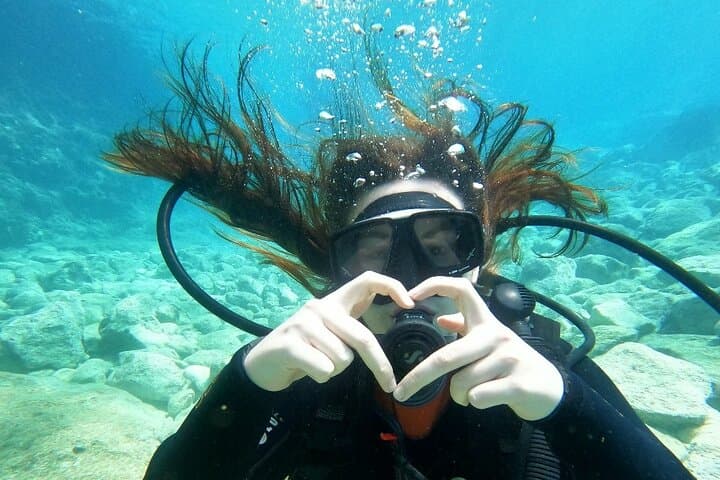
Crete’s north coast carries centuries in its stones: Venetian quays, Ottoman touches and fishing villages that have long read the moods of the Mediterranean. Geologically this shelf is shallow and rocky, with pockets of Posidonia meadows and small caverns that shelter fish and octopus. The water here is warm and clear in summer, and the shallow dives — usually no deeper than 5 meters for beginners — reveal spiny urchins, bream and the occasional Loggerhead sea turtle.
Expect a practical, instructor-led rhythm: meet at the dive center, gear selection, a concise theory session, surface skill practice, then a 40–50 minute guided dive at your first site. Bring swimwear under your clothes, a sun shirt, and reef-safe sunscreen. Morning departures usually mean smoother seas and better visibility; always follow your instructor’s brief on equalization and air management. Hydrate, listen to the safety talk, and don’t touch the bottom — the marine life here is fragile and quick to disappear if provoked.
For first-time divers this is less about depth and more about confidence: short, structured immersion that hands you the tools to explore deeper later.
easy.
4 hours.
Suitable for most fitness levels; basic swimming comfort and the ability to tread water briefly are sufficient.
No — this program is designed for beginners and includes on-surface training and a supervised shallow dive up to about 5 meters.
Expect roughly 40–50 minutes of dive time at the site, depending on air consumption and conditions.
Participants must meet basic health criteria; it’s not recommended for pregnant travelers or those with serious cardiovascular problems — disclose medical history when booking.
Instructors often take photos or short videos during the dive; confirm availability beforehand and whether there’s an extra fee.
Chania’s harbor reflects Venetian and Ottoman layers — the 16th-century lighthouse and old port were central to maritime life for centuries.
Posidonia seagrass is protected in many parts of Crete; avoid touching the seabed, use reef-safe sunscreen, and support operators who follow low-impact dive practices.
Salty Descents operates guided outdoor trips and adventures with an emphasis on safety, stewardship, and memorable experiences.
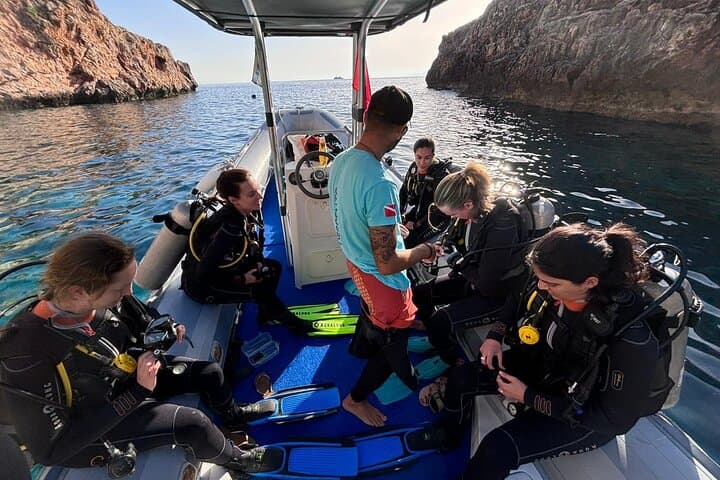
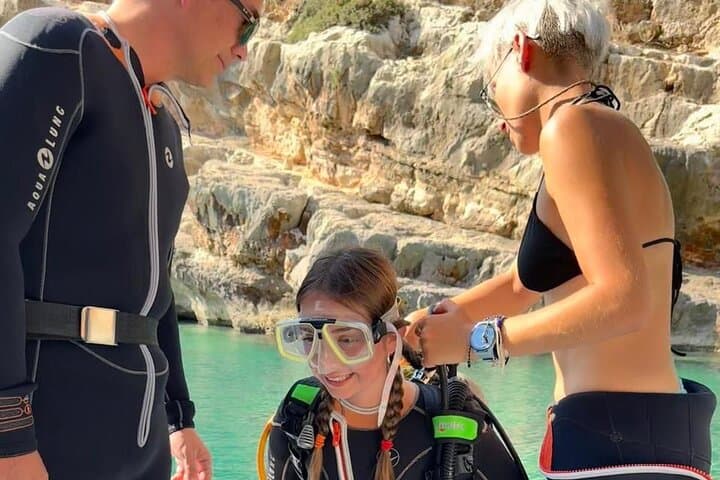
You step off the quay as gulls call and the old Venetian lighthouse watches your boat cut through turquoise water. The instructor’s voice is calm over the hum of the engine while deckhands fit fins and mask — the sea ahead both inviting and insistent, daring you to try it. Within an hour you’ve run through buoyancy basics and safety drills on the surface; the boat drifts, the coastline of Chania sliding by like a familiar map.
You step off the quay as gulls call and the old Venetian lighthouse watches your boat cut through turquoise water. The instructor’s voice is calm over the hum of the engine while deckhands fit fins and mask — the sea ahead both inviting and insistent, daring you to try it. Within an hour you’ve run through buoyancy basics and safety drills on the surface; the boat drifts, the coastline of Chania sliding by like a familiar map.
Crete’s north coast carries centuries in its stones: Venetian quays, Ottoman touches and fishing villages that have long read the moods of the Mediterranean. Geologically this shelf is shallow and rocky, with pockets of Posidonia meadows and small caverns that shelter fish and octopus. The water here is warm and clear in summer, and the shallow dives — usually no deeper than 5 meters for beginners — reveal spiny urchins, bream and the occasional Loggerhead sea turtle.
Expect a practical, instructor-led rhythm: meet at the dive center, gear selection, a concise theory session, surface skill practice, then a 40–50 minute guided dive at your first site. Bring swimwear under your clothes, a sun shirt, and reef-safe sunscreen. Morning departures usually mean smoother seas and better visibility; always follow your instructor’s brief on equalization and air management. Hydrate, listen to the safety talk, and don’t touch the bottom — the marine life here is fragile and quick to disappear if provoked.
For first-time divers this is less about depth and more about confidence: short, structured immersion that hands you the tools to explore deeper later.