THE ADVENTURE COLLECTIVE® · Independent discovery and booking for outdoor travel

A full-day hike from Changunarayan temple up to Nagarkot’s ridge offers Himalayan panoramas, village encounters, and a non-technical but steady climb to 2,175 m. Expect cultural stops, terraced fields and clear mountain viewpoints—perfect for hikers who want a scenic day out of Kathmandu.
A full-day hike from Changunarayan temple up to Nagarkot’s ridge offers Himalayan panoramas, village encounters, and a non-technical but steady climb to 2,175 m. Expect cultural stops, terraced fields and clear mountain viewpoints—perfect for hikers who want a scenic day out of Kathmandu.
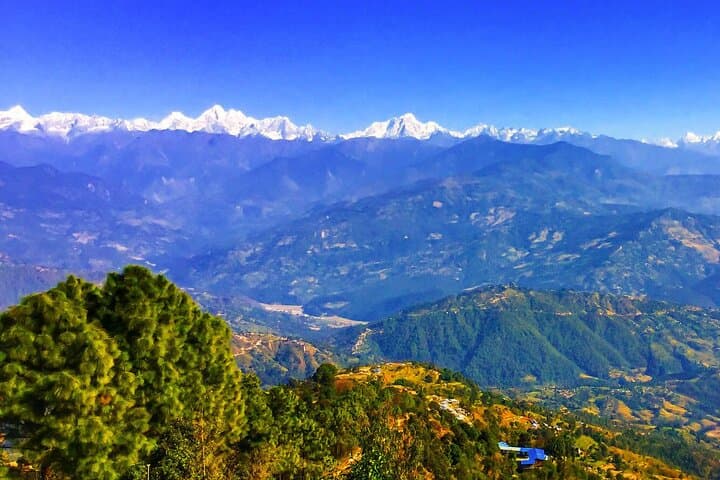
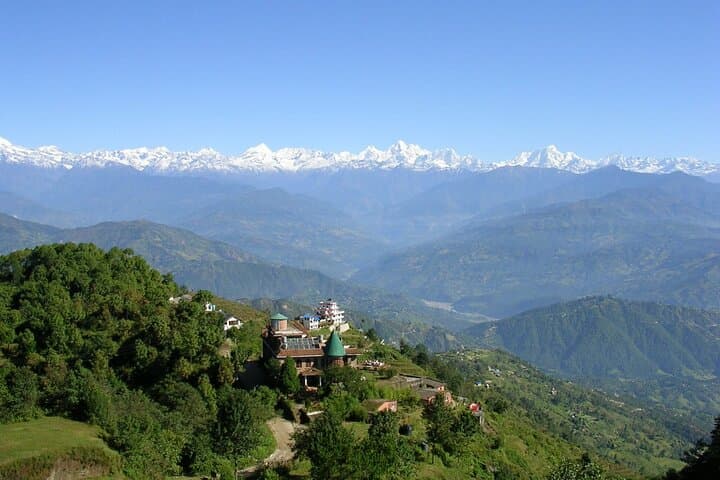
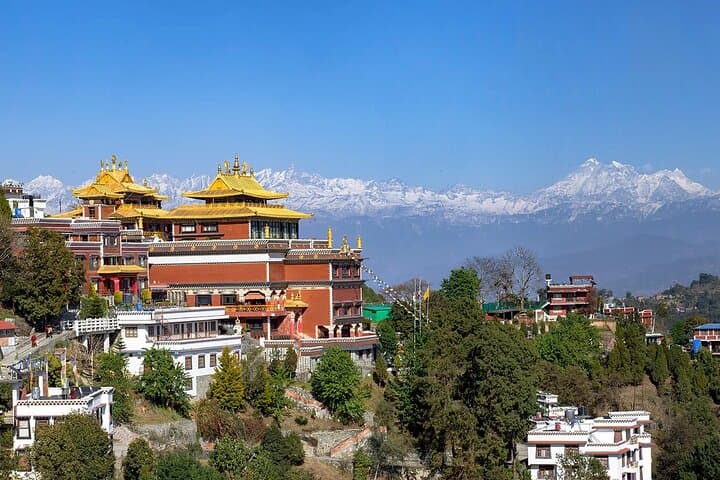
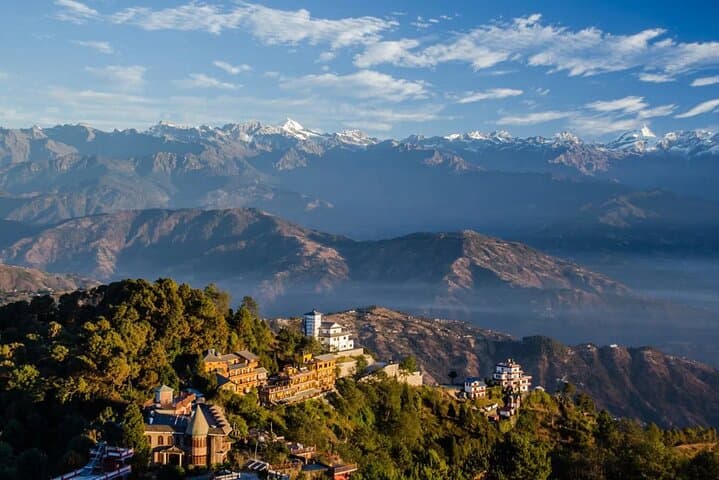
A crisp morning in the Kathmandu Valley: you climb into a private vehicle as the city loosens its hold, and the road pushes east toward Changunarayan. The trail begins near the 4th–5th century temple, stepping from paved lanes into terraced fields and village tracks that lead upward. The ridge breathes around you—winds nudging at the trees, the distant Himalaya drawing a slow line along the horizon.
Verified experiences and guided adventures in the surrounding area.
Operated by Adventure Treks Nepal (P) Ltd. · Nagarkot, Bagmati Province
A crisp morning in the Kathmandu Valley: you climb into a private vehicle as the city loosens its hold, and the road pushes east toward Changunarayan. The trail begins near the 4th–5th century temple, stepping from paved lanes into terraced fields and village tracks that lead upward. The ridge breathes around you—winds nudging at the trees, the distant Himalaya drawing a slow line along the horizon.
Changunarayan and Nagarkot sit on the eastern rim of the Kathmandu bowl. Changunarayan’s temple, one of the valley’s oldest Hindu shrines, anchors the route in local history while the hills themselves are folded layers of uplifted sediments and alluvial deposits shaped by tectonics of the Greater Himalaya. Along the way, you'll pass farmsteads, pine stands and stone walls, with opportunities to observe daily Newari and Tamang village life.
Practically, expect steady but non-technical uphill sections, compact dirt and stone paths, and several short breaks for views and conversation with locals. Nagarkot rises to about 2,175 m and rewards hikers with wide Himalayan panoramas—on clear days the skyline includes peaks like Everest and Manaslu—then gives way to a late-afternoon sunset that shutters the mountains in long shadow.
Plan for a full day: layered clothing for wind and sun, sturdy footwear for rocky tread, and water and snacks for several hours of walking. Respect trail etiquette, keep to paths to avoid erosion, and leave space for villagers and livestock. The route is ideal for hikers comfortable on sustained ascents who want a cultural as well as scenic day out from Kathmandu.
moderate.
8–10 hours (full day including transfers).
Suitable for hikers who can sustain several hours of uphill walking and short steep sections; basic endurance required.
The hike is moderate: non-technical but involves sustained uphill walking on dirt and stone paths; people with basic fitness can complete it with regular breaks.
This trip is typically offered with private transport and a guide option; independent hikers can follow public tracks but should arrange transport back to Kathmandu.
Fall (Sep–Nov) and spring (Mar–May) offer the clearest mountain views and most stable weather; avoid monsoon months if you want reliable visibility.
Yes—trails pass village settlements where respectful interaction is possible; consider carrying small local-currency notes for purchases or donations at homestays.
Changunarayan Temple dates back many centuries and is tied to early Hindu worship in the Kathmandu Valley; the village route preserves traditional Newari and Tamang agricultural practices.
Trails are vulnerable to erosion from heavy foot traffic and monsoon rains—stick to marked paths, avoid single-use plastics, and support local conservation initiatives when possible.
Adventure Treks Nepal (P) Ltd. operates guided outdoor trips and adventures with an emphasis on safety, stewardship, and memorable experiences.
A crisp morning in the Kathmandu Valley: you climb into a private vehicle as the city loosens its hold, and the road pushes east toward Changunarayan. The trail begins near the 4th–5th century temple, stepping from paved lanes into terraced fields and village tracks that lead upward. The ridge breathes around you—winds nudging at the trees, the distant Himalaya drawing a slow line along the horizon.
A crisp morning in the Kathmandu Valley: you climb into a private vehicle as the city loosens its hold, and the road pushes east toward Changunarayan. The trail begins near the 4th–5th century temple, stepping from paved lanes into terraced fields and village tracks that lead upward. The ridge breathes around you—winds nudging at the trees, the distant Himalaya drawing a slow line along the horizon.
Changunarayan and Nagarkot sit on the eastern rim of the Kathmandu bowl. Changunarayan’s temple, one of the valley’s oldest Hindu shrines, anchors the route in local history while the hills themselves are folded layers of uplifted sediments and alluvial deposits shaped by tectonics of the Greater Himalaya. Along the way, you'll pass farmsteads, pine stands and stone walls, with opportunities to observe daily Newari and Tamang village life.
Practically, expect steady but non-technical uphill sections, compact dirt and stone paths, and several short breaks for views and conversation with locals. Nagarkot rises to about 2,175 m and rewards hikers with wide Himalayan panoramas—on clear days the skyline includes peaks like Everest and Manaslu—then gives way to a late-afternoon sunset that shutters the mountains in long shadow.
Plan for a full day: layered clothing for wind and sun, sturdy footwear for rocky tread, and water and snacks for several hours of walking. Respect trail etiquette, keep to paths to avoid erosion, and leave space for villagers and livestock. The route is ideal for hikers comfortable on sustained ascents who want a cultural as well as scenic day out from Kathmandu.