THE ADVENTURE COLLECTIVE® · Independent discovery and booking for outdoor travel

Discover two UNESCO World Heritage sites east of Kathmandu on a private day tour that pairs Changu Narayan’s ancient Vishnu temple with the wood-carved streets of Bhaktapur Durbar Square. Expect history, craft markets and easy walking through living neighborhoods.
Discover two UNESCO World Heritage sites east of Kathmandu on a private day tour that pairs Changu Narayan’s ancient Vishnu temple with the wood-carved streets of Bhaktapur Durbar Square. Expect history, craft markets and easy walking through living neighborhoods.
A cool morning light falls across the eastern rim of the Kathmandu Valley as the van peels away from the city and the landscape opens: terraced fields spill down slopes, and a low ridge dares you to look higher. Within an hour the busier urban edge gives way to quieter lanes and the ornamented roofs of Bhaktapur appear—stone, brick and carved wood holding a long human story.
Verified experiences and guided adventures in the surrounding area.
Operated by The Xutti Pvt Ltd · Bhaktapur, Bagmati Province
A cool morning light falls across the eastern rim of the Kathmandu Valley as the van peels away from the city and the landscape opens: terraced fields spill down slopes, and a low ridge dares you to look higher. Within an hour the busier urban edge gives way to quieter lanes and the ornamented roofs of Bhaktapur appear—stone, brick and carved wood holding a long human story.
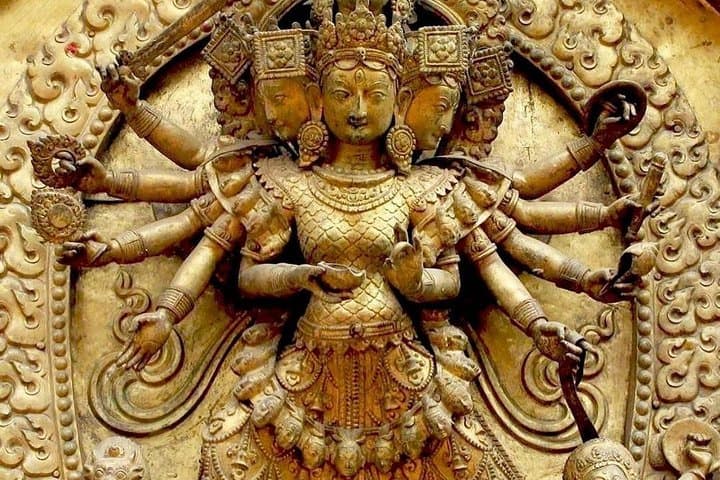
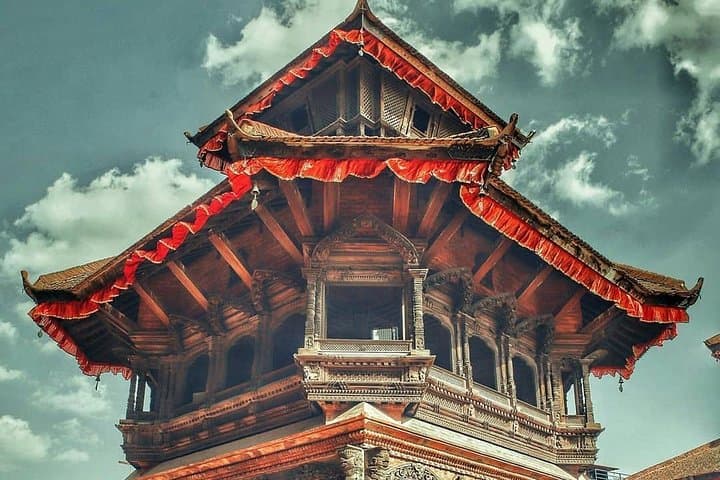
Changu Narayan Temple sits on a modest hill above the valley; its stone and bronze panels date back to Licchavi inscriptions from the 5th century. Bhaktapur Durbar Square, once a thriving caravan hub en route to Tibet, preserves medieval Newar craftsmanship in its gates, courtyards and the famed Golden Gate. Geologically the valley is a tectonic bowl ringed by low ridges that create sharp weather shifts—afternoon winds can push up mist from the plains, and the ridge routes around Nagarkot offer sweeping views of the Himalaya when skies clear.
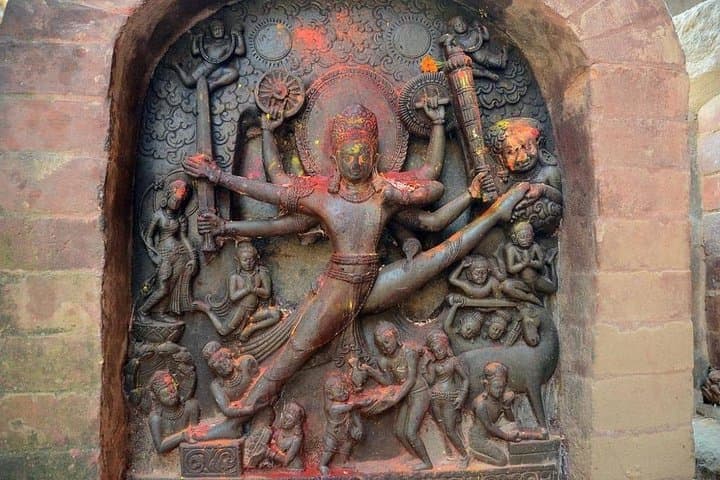
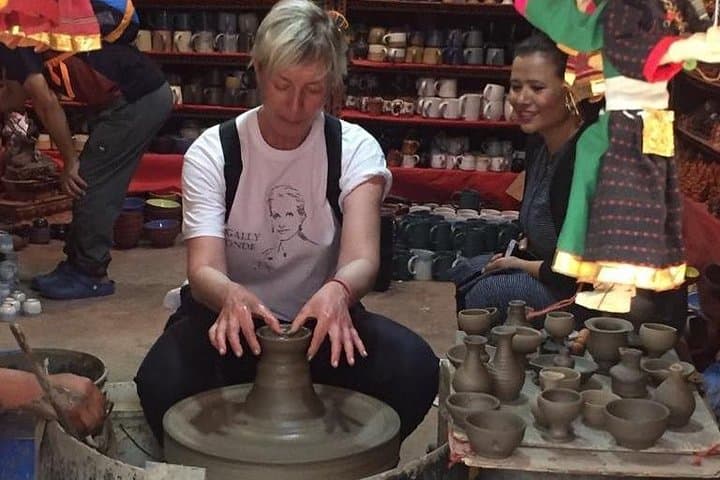
Culturally, visitors move through active neighborhoods—potters at their wheels, temples with daily offerings, and markets selling soyari, local sweets and hand-carved souvenirs. A local guide unpacks the iconography: Vishnu’s reliefs at Changu, royal crests in Bhaktapur, and the rhythms of Newar festivals held throughout the year.
Practical notes: plan 4–5 hours, bring comfortable walking shoes for uneven stone streets and temple steps, carry small bills for donations and entrance fees, and expect light walking between sites. Morning departures avoid crowds and heat; water is typically provided on private tours, but pack a refillable bottle and a sun layer for the ridge. With modest fitness and curiosity, this day trip blends architecture, living culture and a walkable slice of Nepalese history.
easy.
4–5 hours.
Suitable for most fitness levels; expect light walking on uneven surfaces and short flights of steps.
The private tour runs about 4–5 hours; it typically includes hotel pickup/drop-off, an English-speaking guide, AC vehicle transport and bottled water.
Entrance fees are usually not included—bring cash to pay for museum or temple admissions where required.
Yes—this tour is listed as easy and is suitable for all fitness levels, though older guests should be prepared for some steps and uneven ground.
Yes—private tours are flexible; you can request different timings, extra stops or more time in markets by coordinating with the operator.
Bhaktapur was a medieval trade center and preserves Newar arts and architecture; Changu Narayan contains some of the oldest inscriptions in the Kathmandu Valley dating to the Licchavi period.
Respecting active heritage sites means minimizing noise, avoiding litter, and using marked paths; local conservation groups work to maintain monuments and museum collections.
The Xutti Pvt Ltd operates guided outdoor trips and adventures with an emphasis on safety, stewardship, and memorable experiences.
A cool morning light falls across the eastern rim of the Kathmandu Valley as the van peels away from the city and the landscape opens: terraced fields spill down slopes, and a low ridge dares you to look higher. Within an hour the busier urban edge gives way to quieter lanes and the ornamented roofs of Bhaktapur appear—stone, brick and carved wood holding a long human story.
A cool morning light falls across the eastern rim of the Kathmandu Valley as the van peels away from the city and the landscape opens: terraced fields spill down slopes, and a low ridge dares you to look higher. Within an hour the busier urban edge gives way to quieter lanes and the ornamented roofs of Bhaktapur appear—stone, brick and carved wood holding a long human story.
Changu Narayan Temple sits on a modest hill above the valley; its stone and bronze panels date back to Licchavi inscriptions from the 5th century. Bhaktapur Durbar Square, once a thriving caravan hub en route to Tibet, preserves medieval Newar craftsmanship in its gates, courtyards and the famed Golden Gate. Geologically the valley is a tectonic bowl ringed by low ridges that create sharp weather shifts—afternoon winds can push up mist from the plains, and the ridge routes around Nagarkot offer sweeping views of the Himalaya when skies clear.
Culturally, visitors move through active neighborhoods—potters at their wheels, temples with daily offerings, and markets selling soyari, local sweets and hand-carved souvenirs. A local guide unpacks the iconography: Vishnu’s reliefs at Changu, royal crests in Bhaktapur, and the rhythms of Newar festivals held throughout the year.
Practical notes: plan 4–5 hours, bring comfortable walking shoes for uneven stone streets and temple steps, carry small bills for donations and entrance fees, and expect light walking between sites. Morning departures avoid crowds and heat; water is typically provided on private tours, but pack a refillable bottle and a sun layer for the ridge. With modest fitness and curiosity, this day trip blends architecture, living culture and a walkable slice of Nepalese history.