THE ADVENTURE COLLECTIVE® · Independent discovery and booking for outdoor travel

Watch the Household Division march and learn the story behind their plumed caps on this compact, expert‑led walk from Horseguards to Buckingham Palace. Expect brisk pacing, prime photo spots, and practical context on every movement.
Watch the Household Division march and learn the story behind their plumed caps on this compact, expert‑led walk from Horseguards to Buckingham Palace. Expect brisk pacing, prime photo spots, and practical context on every movement.
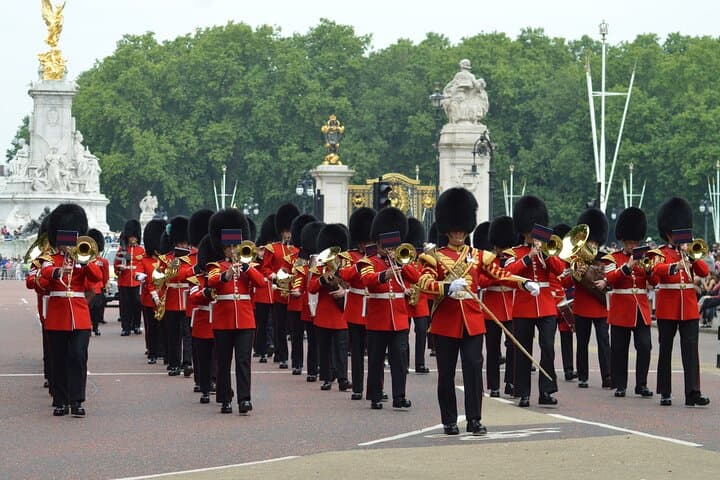
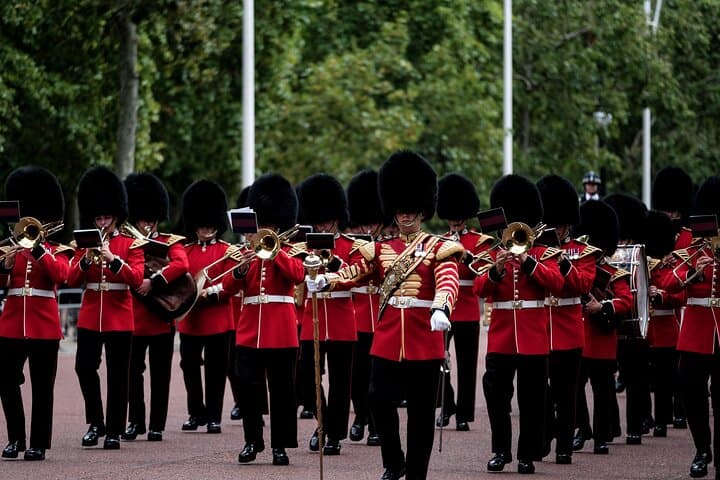
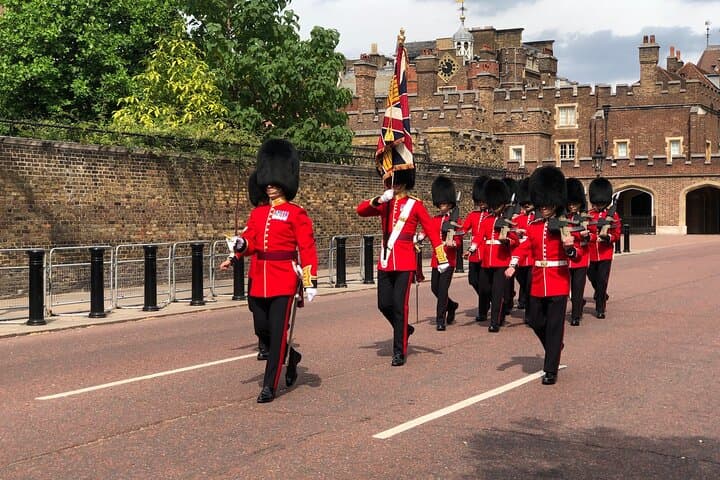
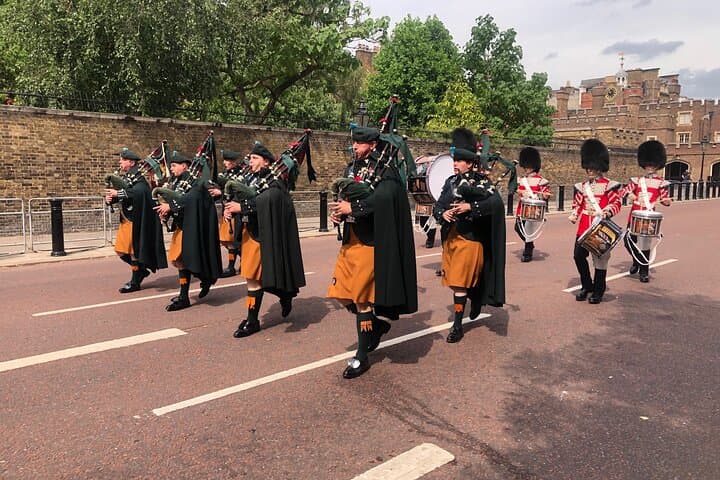
The Mall hums before the drums arrive—brass flashes, bearskin caps loom like black columns, and the crowd tightens along iron railings as the Household Division marches past. In a compact, brisk 105‑minute route, the guide threads you from Horseguards to the forecourt of Buckingham Palace, placing you where the ceremony reads best and the photos register with clarity.
Verified experiences and guided adventures in the surrounding area.
Operated by Urban Saunters · London, England
The Mall hums before the drums arrive—brass flashes, bearskin caps loom like black columns, and the crowd tightens along iron railings as the Household Division marches past. In a compact, brisk 105‑minute route, the guide threads you from Horseguards to the forecourt of Buckingham Palace, placing you where the ceremony reads best and the photos register with clarity.
This ritual grew from centuries of military tradition: the King's Guard evolved from 17th‑ and 18th‑century royal protection duties, while Buckingham Palace became the sovereign's principal London residence in the 19th century. St James's Palace, encountered on the route, is the oldest royal palace still in use and anchors the area's layered history. Urban geology here is simple—broad paved promenades, the Mall’s plane trees, and the low rise of green in St James's Park offer a visual counterpoint to polished boots and red tunics.
Expect a lot of standing and brief marching distances—roughly 1–2 km of walking on flat, paved surfaces. The guide explains regimental distinctions, the meaning of colors and mascots, and points out viewpoints that avoid the densest crowds. Practicalities matter: there are no scheduled refreshment or toilet breaks, the Army can alter or cancel the full ceremony (you may still see the march), and filming the guide requires permission.
If you want clean photos and context, arrive early, wear supportive shoes, bring a waterproof layer and a refillable bottle, and favor public transport—the city’s terraces, guards, and drums reward preparation as much as they do awe.
moderate.
1.5–2 hours.
Suitable for travelers with a moderate level of fitness who can stand and walk at a brisk, continuous pace for short distances.
Plan to arrive 20–30 minutes before the tour start to secure a good viewing position—lines and crowds grow quickly, especially on summer weekends.
Yes—the British Army can alter or cancel the full ceremony (often announced after 10:30am). If the music is canceled, guards usually still march and the tour continues with explanation from the guide.
There are no scheduled toilet or refreshment breaks on the 105‑minute route, so plan accordingly before the tour starts.
Photography is allowed in public areas, but do not video the guide without permission and avoid stepping beyond barriers or into the ceremony flow.
The Changing of the Guard traces back to historic household troops and evolved into a public ceremonial display; Buckingham Palace became the principal royal residence under Queen Victoria in 1837.
Use public transport to reach central London and follow barriers to protect grass and park habitats; avoid feeding wildlife and carry out any litter to reduce impact.
Urban Saunters operates guided outdoor trips and adventures with an emphasis on safety, stewardship, and memorable experiences.
The Mall hums before the drums arrive—brass flashes, bearskin caps loom like black columns, and the crowd tightens along iron railings as the Household Division marches past. In a compact, brisk 105‑minute route, the guide threads you from Horseguards to the forecourt of Buckingham Palace, placing you where the ceremony reads best and the photos register with clarity.
The Mall hums before the drums arrive—brass flashes, bearskin caps loom like black columns, and the crowd tightens along iron railings as the Household Division marches past. In a compact, brisk 105‑minute route, the guide threads you from Horseguards to the forecourt of Buckingham Palace, placing you where the ceremony reads best and the photos register with clarity.
This ritual grew from centuries of military tradition: the King's Guard evolved from 17th‑ and 18th‑century royal protection duties, while Buckingham Palace became the sovereign's principal London residence in the 19th century. St James's Palace, encountered on the route, is the oldest royal palace still in use and anchors the area's layered history. Urban geology here is simple—broad paved promenades, the Mall’s plane trees, and the low rise of green in St James's Park offer a visual counterpoint to polished boots and red tunics.
Expect a lot of standing and brief marching distances—roughly 1–2 km of walking on flat, paved surfaces. The guide explains regimental distinctions, the meaning of colors and mascots, and points out viewpoints that avoid the densest crowds. Practicalities matter: there are no scheduled refreshment or toilet breaks, the Army can alter or cancel the full ceremony (you may still see the march), and filming the guide requires permission.
If you want clean photos and context, arrive early, wear supportive shoes, bring a waterproof layer and a refillable bottle, and favor public transport—the city’s terraces, guards, and drums reward preparation as much as they do awe.