THE ADVENTURE COLLECTIVE® · Independent discovery and booking for outdoor travel

A concise 6-day trek from Chopta to the Tungnath shrine and Chandrashila summit, this route serves up alpine meadows, high-altitude temples and panoramic Himalayan views with approachable terrain suitable for determined beginners.
A concise 6-day trek from Chopta to the Tungnath shrine and Chandrashila summit, this route serves up alpine meadows, high-altitude temples and panoramic Himalayan views with approachable terrain suitable for determined beginners.
Dawn in Chopta arrives cold and clear; pines exhale resin and the path climbs through a ribbon of stone steps and meadow. You move from fir-dark forest into open alpine grassland, the air thinning with every switchback as distant peaks—Trisul, Nanda Devi, Chaukhamba—slice the horizon.
Verified experiences and guided adventures in the surrounding area.
Operated by Yeti Outdoors · Chopta, Uttarakhand
Dawn in Chopta arrives cold and clear; pines exhale resin and the path climbs through a ribbon of stone steps and meadow. You move from fir-dark forest into open alpine grassland, the air thinning with every switchback as distant peaks—Trisul, Nanda Devi, Chaukhamba—slice the horizon.
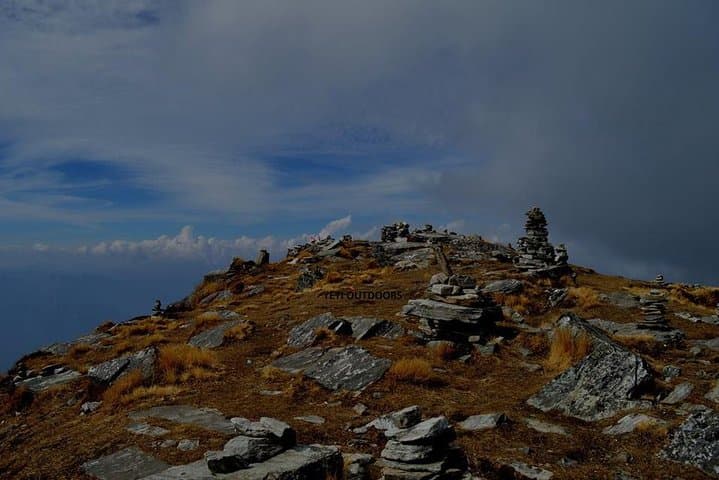
This route links two distinct high places: Tungnath, the world’s highest Shiva shrine at about 3,680 m, and Chandrashila, the exposed granite dome that tops out near 3,992 m. The geology is young Himalaya—steep folds, weathered schist and granite—shaped by the Indian plate’s collision with Eurasia. Culturally the trail threads local Garhwali villages, seasonal shepherding grounds and centuries of pilgrimage; Deoriatal below offers a placid mountain lake where alpine birds and langurs visit the shore.
Expect six days paced for easy comfort: short daily distances, steady climbs, nights in two-person tents on grassy ridgelines. Terrain alternates compact dirt, rocky steps and meadow tracks with occasional scree above tree line. Weather can flip fast—clear mornings, afternoon snow squalls in shoulder seasons—so timing matters.
Practical guidance: acclimatize slowly (overnight in Chopta/800–1,400 m lower than summit), carry 2–3 L water capacity, and break early to catch the Chandrashila sunrise cast across the high massif. Footwear with ankle support, layered insulation, and a lightweight sleeping bag rated to near-freezing will make camp comfortable. With basic fitness and sensible pacing this trek is an accessible Himalayan introduction that rewards with big summits and starry, high-altitude camps.
easy.
5–7 days.
Moderate cardio fitness; able to walk 4–6 hours a day with steady climbs and carry a 6–10 kg daypack
Yes—this itinerary is graded easy with short daily distances and steady climbs, but basic fitness and acclimatization days help ensure comfort.
Spring (April–June) and autumn (September–November) offer the clearest views; winter has heavy snow and summer brings occasional monsoon showers.
Local permits are typically required for the Chopta/Tungnath area and are usually handled by organized operators included in the trip package.
Summits approach 3,992 m—mild altitude symptoms (headache, nausea) are possible; ascend gradually, hydrate, and descend if symptoms worsen.
Tungnath is an ancient Shiva shrine important to local Garhwali culture; Chandrashila is linked in folklore as the site of meditative worship and offers strategic summit views used historically by travelers.
The region is fragile alpine terrain—stick to durable surfaces, pack out waste, and use local-guided services that employ community-based waste and trail management.
Yeti Outdoors operates guided outdoor trips and adventures with an emphasis on safety, stewardship, and memorable experiences.
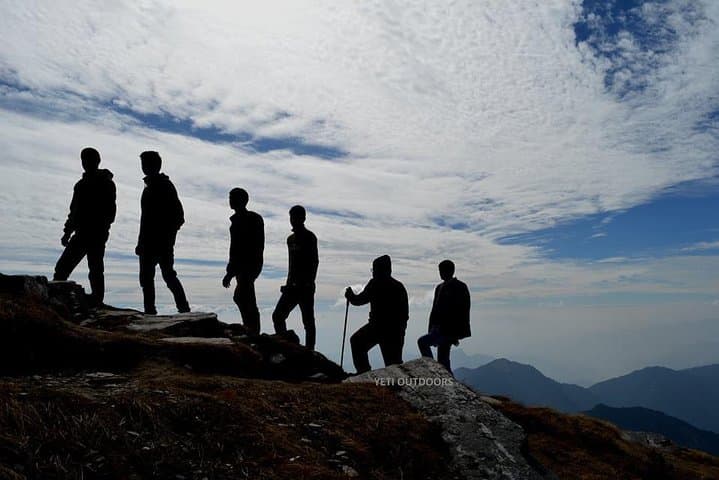
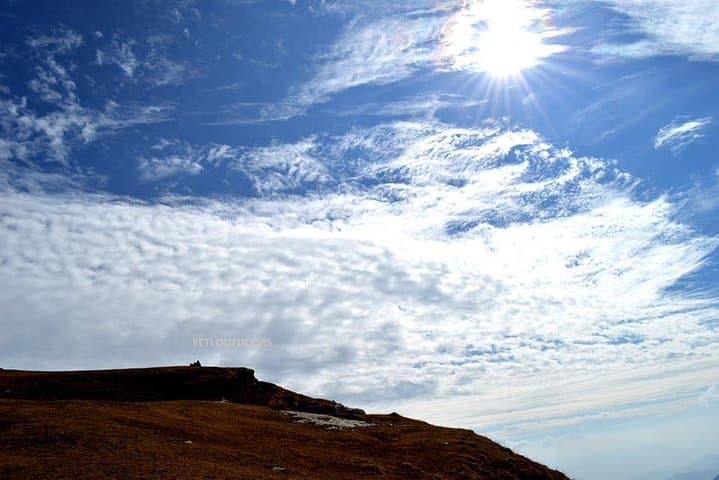
Dawn in Chopta arrives cold and clear; pines exhale resin and the path climbs through a ribbon of stone steps and meadow. You move from fir-dark forest into open alpine grassland, the air thinning with every switchback as distant peaks—Trisul, Nanda Devi, Chaukhamba—slice the horizon.
Dawn in Chopta arrives cold and clear; pines exhale resin and the path climbs through a ribbon of stone steps and meadow. You move from fir-dark forest into open alpine grassland, the air thinning with every switchback as distant peaks—Trisul, Nanda Devi, Chaukhamba—slice the horizon.
This route links two distinct high places: Tungnath, the world’s highest Shiva shrine at about 3,680 m, and Chandrashila, the exposed granite dome that tops out near 3,992 m. The geology is young Himalaya—steep folds, weathered schist and granite—shaped by the Indian plate’s collision with Eurasia. Culturally the trail threads local Garhwali villages, seasonal shepherding grounds and centuries of pilgrimage; Deoriatal below offers a placid mountain lake where alpine birds and langurs visit the shore.
Expect six days paced for easy comfort: short daily distances, steady climbs, nights in two-person tents on grassy ridgelines. Terrain alternates compact dirt, rocky steps and meadow tracks with occasional scree above tree line. Weather can flip fast—clear mornings, afternoon snow squalls in shoulder seasons—so timing matters.
Practical guidance: acclimatize slowly (overnight in Chopta/800–1,400 m lower than summit), carry 2–3 L water capacity, and break early to catch the Chandrashila sunrise cast across the high massif. Footwear with ankle support, layered insulation, and a lightweight sleeping bag rated to near-freezing will make camp comfortable. With basic fitness and sensible pacing this trek is an accessible Himalayan introduction that rewards with big summits and starry, high-altitude camps.