THE ADVENTURE COLLECTIVE® · Independent discovery and booking for outdoor travel

Walk through Chandor’s layered past—from the Church of Nossa Senhora de Belém to Braganza House and a Kushavati River lookout. This 2–2.5 hour heritage route highlights Kadamba-era links, village life, and compact colonial homes.
Walk through Chandor’s layered past—from the Church of Nossa Senhora de Belém to Braganza House and a Kushavati River lookout. This 2–2.5 hour heritage route highlights Kadamba-era links, village life, and compact colonial homes.
The lane in Chandor opens onto a whitewashed church at a busy junction, the Church of Nossa Senhora de Belém standing like a local compass. From that meeting point the tour moves through village squares, a layered colonial home, and a small hillock chapel, finishing at a clear view of the Kushavati River that threads the hinterland.
Verified experiences and guided adventures in the surrounding area.
Operated by Make It Happen · Chandor, Goa
The lane in Chandor opens onto a whitewashed church at a busy junction, the Church of Nossa Senhora de Belém standing like a local compass. From that meeting point the tour moves through village squares, a layered colonial home, and a small hillock chapel, finishing at a clear view of the Kushavati River that threads the hinterland.
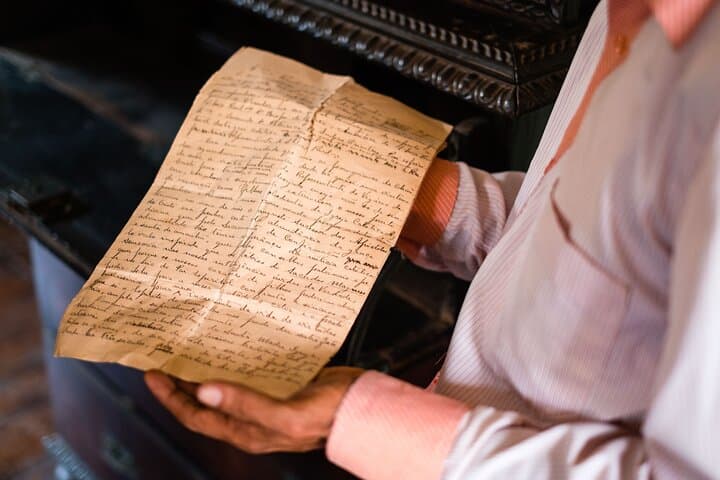
Chandor—historically Chandrapur—was a pre‑Portuguese trade center tied to the Kadamba dynasty more than a millennium ago. The Braganza House preserves artifacts and household structures that reflect Portuguese-era rebuilding atop earlier Indian traditions; nearby chapel ruins and small temple sites hint at continuous settlement and laterite geology shaped by monsoon-fed streams and red soil.
The experience is part history, part village visit: narrow roads lined with cashew and paddy plots, villagers moving between courtyards, and birds that favor the riverbank. Nature here has an easy rhythm—the Kushavati dares you to stop and watch while kingfishers patrol the shallows.
Practical notes: this is not a walking trail—participants must provide transport; the tour runs roughly 2–2.5 hours and involves short walks across uneven ground and steps. Wear sturdy shoes, sun protection, and modest clothing for religious sites. Light snacks and a non‑alcoholic local drink are included, but bring water and cash for small purchases. Accessibility varies: historic houses have stairs and narrow rooms, so expect limited wheelchair access. Guides translate local stories and point out Kadamba-era artifacts; treat these fragile sites with care. For planners: mornings are cooler and less dusty; monsoon months can make lanes slippery—schedule accordingly.
easy.
2–2.5 hours.
Light activity; suitable for most people who can manage short walks and steps
No—this is not a walking trail. Guests should arrange private transport, taxi, or car hire to visit the scattered sites.
Admission to Braganza House is included per the itinerary; other stops are viewpoints or free-to-enter sites.
Yes for most children; infants must sit on an adult's lap. The tour is not recommended for travelers with serious heart or spinal issues or for pregnant visitors.
Local guides typically speak English and Konkani, and will provide historical context and translations during visits.
Chandor (ancient Chandrapur) was a Kadamba-era trade center more than 1,000 years ago; later Portuguese influence rebuilt many structures, layering cultures.
Respect fragile artifacts and private homes, stick to paths, avoid littering, and support community-led guides who help preserve local heritage.
Make It Happen operates guided outdoor trips and adventures with an emphasis on safety, stewardship, and memorable experiences.
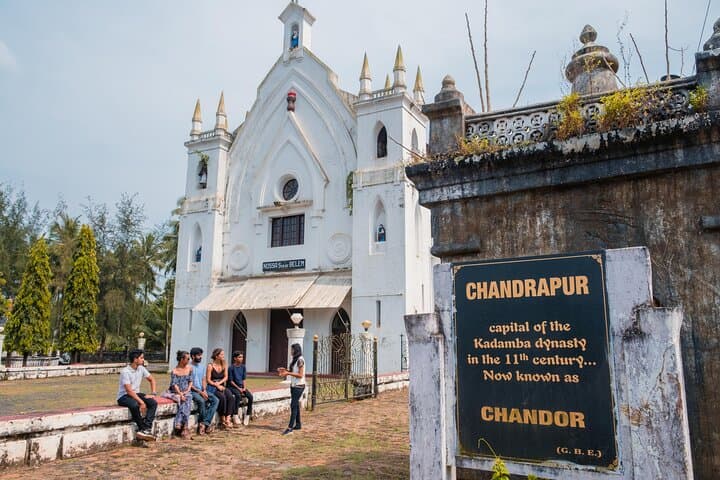
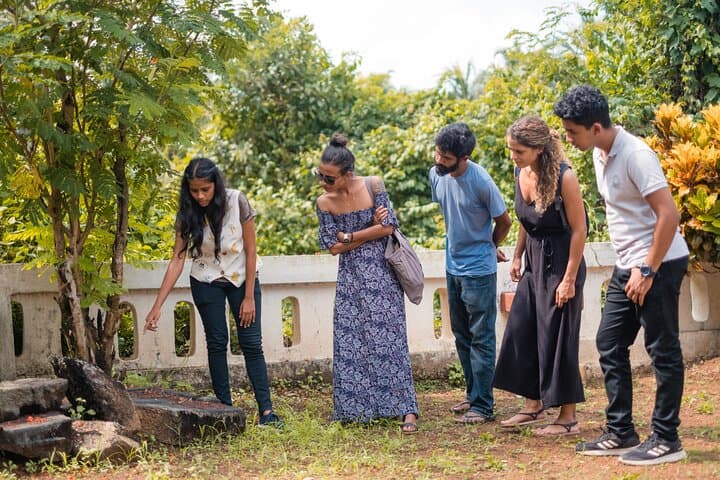
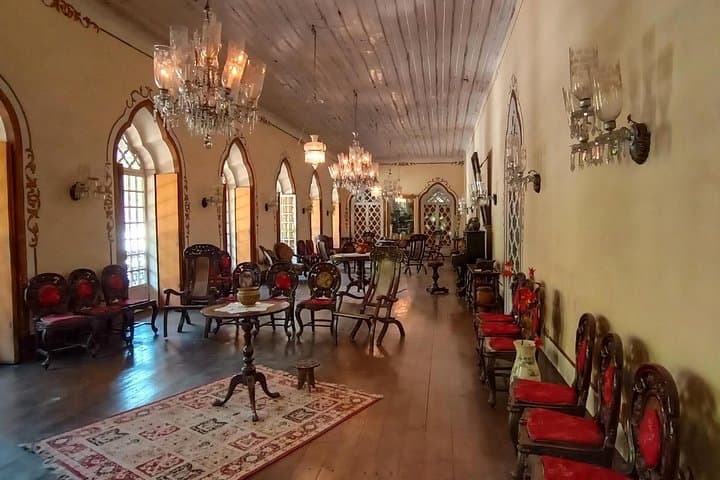
The lane in Chandor opens onto a whitewashed church at a busy junction, the Church of Nossa Senhora de Belém standing like a local compass. From that meeting point the tour moves through village squares, a layered colonial home, and a small hillock chapel, finishing at a clear view of the Kushavati River that threads the hinterland.
The lane in Chandor opens onto a whitewashed church at a busy junction, the Church of Nossa Senhora de Belém standing like a local compass. From that meeting point the tour moves through village squares, a layered colonial home, and a small hillock chapel, finishing at a clear view of the Kushavati River that threads the hinterland.
Chandor—historically Chandrapur—was a pre‑Portuguese trade center tied to the Kadamba dynasty more than a millennium ago. The Braganza House preserves artifacts and household structures that reflect Portuguese-era rebuilding atop earlier Indian traditions; nearby chapel ruins and small temple sites hint at continuous settlement and laterite geology shaped by monsoon-fed streams and red soil.
The experience is part history, part village visit: narrow roads lined with cashew and paddy plots, villagers moving between courtyards, and birds that favor the riverbank. Nature here has an easy rhythm—the Kushavati dares you to stop and watch while kingfishers patrol the shallows.
Practical notes: this is not a walking trail—participants must provide transport; the tour runs roughly 2–2.5 hours and involves short walks across uneven ground and steps. Wear sturdy shoes, sun protection, and modest clothing for religious sites. Light snacks and a non‑alcoholic local drink are included, but bring water and cash for small purchases. Accessibility varies: historic houses have stairs and narrow rooms, so expect limited wheelchair access. Guides translate local stories and point out Kadamba-era artifacts; treat these fragile sites with care. For planners: mornings are cooler and less dusty; monsoon months can make lanes slippery—schedule accordingly.