THE ADVENTURE COLLECTIVE® · Independent discovery and booking for outdoor travel

Disembark at Chan May or Tien Sa and spend a private day exploring Marble Mountains’ caves and panoramic views, then stroll Hoi An’s UNESCO-listed old town with a local guide. This full-day shore excursion combines geology, history and guided walking with local cuisine.
Disembark at Chan May or Tien Sa and spend a private day exploring Marble Mountains’ caves and panoramic views, then stroll Hoi An’s UNESCO-listed old town with a local guide. This full-day shore excursion combines geology, history and guided walking with local cuisine.
You step off the ship into humid air and a city where the river pushes history toward the sea. The private transfer from Chan May or Tien Sa Port threads past rice paddies and coastal highway until limestone outcrops rise—these are the Marble Mountains, five stone heads named for the elements, their caves and pagodas cut with stairways and viewpoints that put Da Nang’s bay and cityscape into sharp relief.
Verified experiences and guided adventures in the surrounding area.
Operated by My Son Tours · Da Nang, Da Nang
You step off the ship into humid air and a city where the river pushes history toward the sea. The private transfer from Chan May or Tien Sa Port threads past rice paddies and coastal highway until limestone outcrops rise—these are the Marble Mountains, five stone heads named for the elements, their caves and pagodas cut with stairways and viewpoints that put Da Nang’s bay and cityscape into sharp relief.
Marble Mountains (Ngu Hanh Son) are small karst hills rising to roughly 100 meters, formed by limestone and marble uplifted over millennia. Nearby, Da Nang’s steel Dragon Bridge arcs across the Han River, a modern marker of recent urban ambitions. Further south, Hoi An unfolds as a compact UNESCO World Heritage old town along the Thu Bon River—a preserved trading port where Japanese, Chinese and European influences shaped low-slung wooden shophouses and the covered Japanese Bridge.
Expect structured walking in Hoi An’s pedestrian streets, guided stops at traditional houses, a Chinese assembly hall and the market, plus a local lunch. The tour runs about 7–9 hours total and includes entrance fees and bottled water; plan for uneven stone steps at the Marble Mountains and cobbled alleys in Hoi An.
Practical tips: bring sun protection, comfortable treaded shoes, a light rain layer during monsoon months and photocopies of travel documents for port re-entry. Time your return to the port with at least one hour buffer—the guide typically aims to drop you back early so the ship departure isn’t rushed.
moderate.
7–9 hours.
Should be able to stand and walk on uneven surfaces for several hours and climb short flights of stone steps.
The tour lasts about 7–9 hours; the operator plans to return you to the port at least one hour before your ship’s departure—confirm your pickup/drop-off times when booking.
Infants and small children can use a stroller in flat areas, but Marble Mountains involves steps and uneven paths that may not be stroller-accessible.
Yes—entrance to Marble Mountains and Hoi An sites, plus a local restaurant lunch and bottled water are included in the tour price.
Not recommended for travelers with poor cardiovascular health or limited mobility due to staircases and uneven terrain; contact the operator to discuss accessibility options.
Hoi An was a major international trading port from the 15th–19th centuries; Marble Mountains have long been a spiritual site with Buddhist and Hindu influences carved into caves and pagodas.
High visitor numbers can stress fragile caves and old-town streets—stick to marked paths, avoid touching carvings and support local businesses to help preserve the area.
My Son Tours operates guided outdoor trips and adventures with an emphasis on safety, stewardship, and memorable experiences.
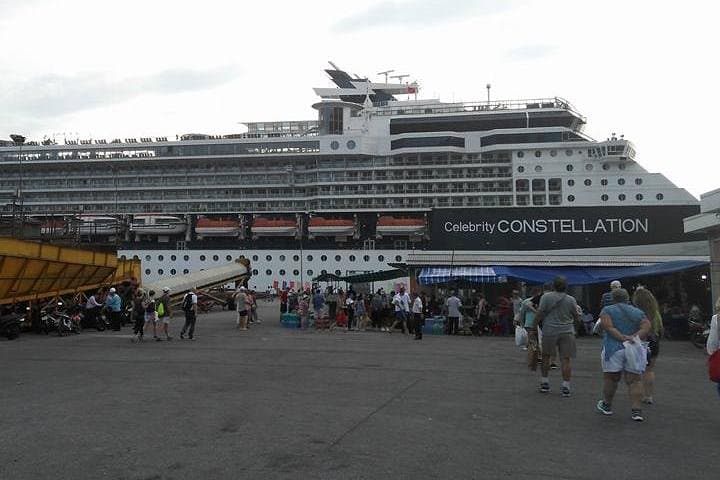

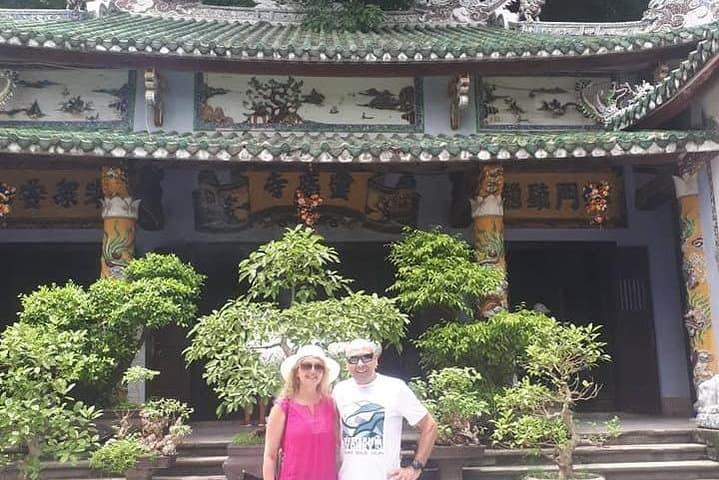
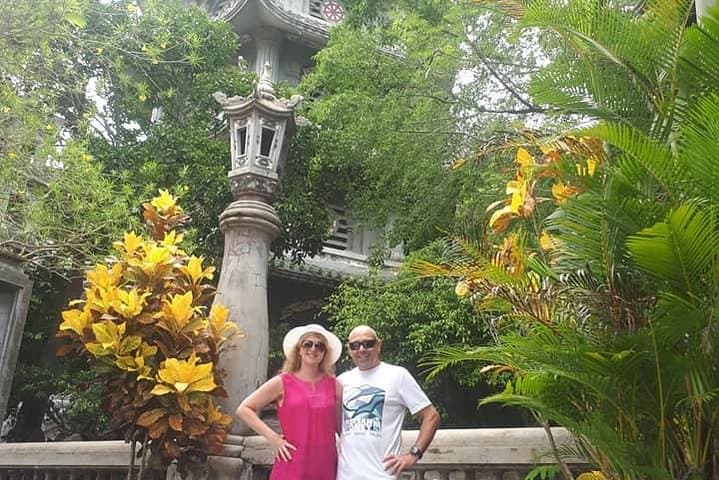
You step off the ship into humid air and a city where the river pushes history toward the sea. The private transfer from Chan May or Tien Sa Port threads past rice paddies and coastal highway until limestone outcrops rise—these are the Marble Mountains, five stone heads named for the elements, their caves and pagodas cut with stairways and viewpoints that put Da Nang’s bay and cityscape into sharp relief.
You step off the ship into humid air and a city where the river pushes history toward the sea. The private transfer from Chan May or Tien Sa Port threads past rice paddies and coastal highway until limestone outcrops rise—these are the Marble Mountains, five stone heads named for the elements, their caves and pagodas cut with stairways and viewpoints that put Da Nang’s bay and cityscape into sharp relief.
Marble Mountains (Ngu Hanh Son) are small karst hills rising to roughly 100 meters, formed by limestone and marble uplifted over millennia. Nearby, Da Nang’s steel Dragon Bridge arcs across the Han River, a modern marker of recent urban ambitions. Further south, Hoi An unfolds as a compact UNESCO World Heritage old town along the Thu Bon River—a preserved trading port where Japanese, Chinese and European influences shaped low-slung wooden shophouses and the covered Japanese Bridge.
Expect structured walking in Hoi An’s pedestrian streets, guided stops at traditional houses, a Chinese assembly hall and the market, plus a local lunch. The tour runs about 7–9 hours total and includes entrance fees and bottled water; plan for uneven stone steps at the Marble Mountains and cobbled alleys in Hoi An.
Practical tips: bring sun protection, comfortable treaded shoes, a light rain layer during monsoon months and photocopies of travel documents for port re-entry. Time your return to the port with at least one hour buffer—the guide typically aims to drop you back early so the ship departure isn’t rushed.