THE ADVENTURE COLLECTIVE® · Independent discovery and booking for outdoor travel

Travel by 4x4 through chalky slopes to private tastings, a historic 1889 press and a live disgorgement demonstration. This 2.5–3 hour sensory tour pairs three champagnes with foie gras, cheese and chocolate while unpacking Champagne’s terroir and techniques.
Travel by 4x4 through chalky slopes to private tastings, a historic 1889 press and a live disgorgement demonstration. This 2.5–3 hour sensory tour pairs three champagnes with foie gras, cheese and chocolate while unpacking Champagne’s terroir and techniques.
Morning light slants across chalky rows as a 4x4 hums through the slope—vines reach like a practiced audience and the air smells faintly of yeast and soil. Guests step from the vehicle into a field of pruned canes, taste buds alert for the first of three champagnes paired with small plates that range from foie gras to dark chocolate.
Verified experiences and guided adventures in the surrounding area.
Operated by Champagne MARC · Reims, Grand Est
Morning light slants across chalky rows as a 4x4 hums through the slope—vines reach like a practiced audience and the air smells faintly of yeast and soil. Guests step from the vehicle into a field of pruned canes, taste buds alert for the first of three champagnes paired with small plates that range from foie gras to dark chocolate.
This private sensory tour moves from sun on the vine to cool cellar: a preserved 1889 grape press and a low, stone-lined cave where bottles sleep. Champagne’s geology is as honest as its bubbles—the region’s Cretaceous chalk filters water and lends crisp acidity that winemakers have shaped since the Roman age; the local culture revolves around harvest rhythms, family cellars and the ritual of dégorgement—here performed “à la volée.”
Expect a hands-on, low‑impact day that blends taste education with tactile moments—holding a bottle mid-disgorgement, feeling cork pressure, hearing the cellar’s hush. Practical notes: wear closed-toe shoes for uneven vineyard ground and cool cellars, bring a light jacket (cellars are 10–12°C), and pace tasting with water and small bites; the tour runs about 2.5–3 hours.
This experience suits curious eaters and novice oenophiles equally: the guide explains grape varieties, fermentation basics and how terroir shapes style. Book early for private slots during harvest and confirm dietary needs in advance—hosts can adapt pairings. For a short crawl through Champagne’s terroir and technique, this tour delivers context, flavors and a few well-kept cellar secrets.
moderate.
2.5–3 hours.
Light-to-moderate fitness; participants should be able to walk short vineyard sections and stand during cellar demonstrations.
This listing is a private tour—groups book a dedicated guide and vehicle for their party.
Yes—three champagne tastings are paired with foie gras, cheeses and chocolate as described; dietary requirements should be provided at booking.
Closed-toe shoes and a light jacket are recommended; cellars are cool and vineyard terrain can be uneven.
For a full refund cancel at least 24 hours before the scheduled start; weather or insufficient travelers may also trigger cancellation with refund.
Champagne’s sparkling method developed here in the 17th–19th centuries; local growers preserved chalk cellars and small-scale presses that shaped modern production.
Many producers manage vineyards with cover crops and reduced chemical inputs to protect soil structure; visitors are asked to minimize trampling and leave no waste.
Champagne MARC operates guided outdoor trips and adventures with an emphasis on safety, stewardship, and memorable experiences.
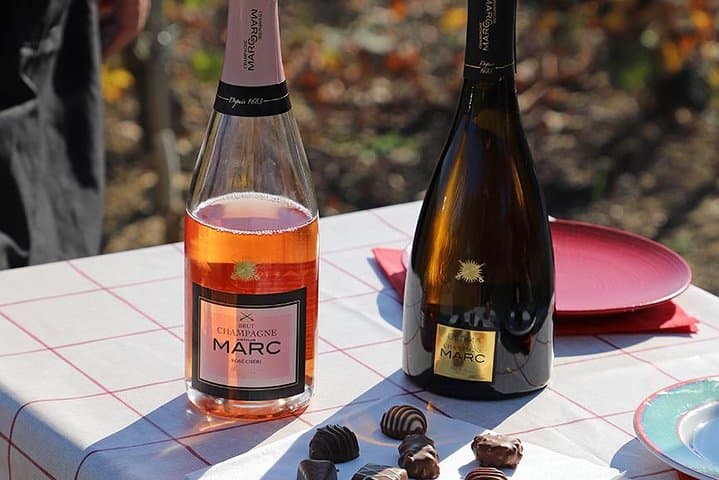
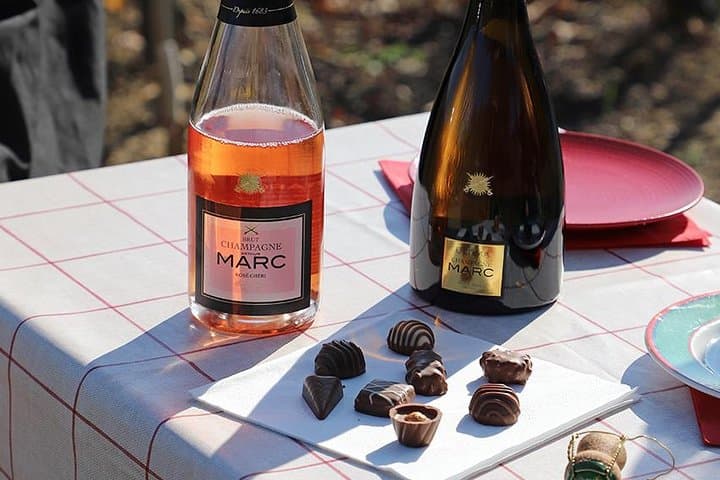
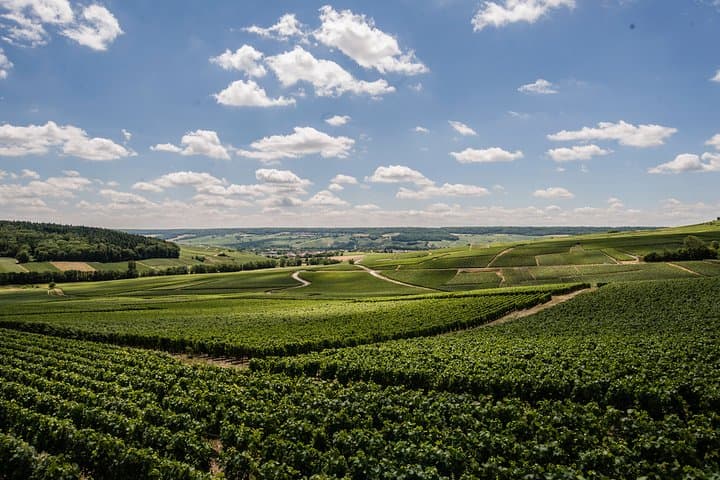
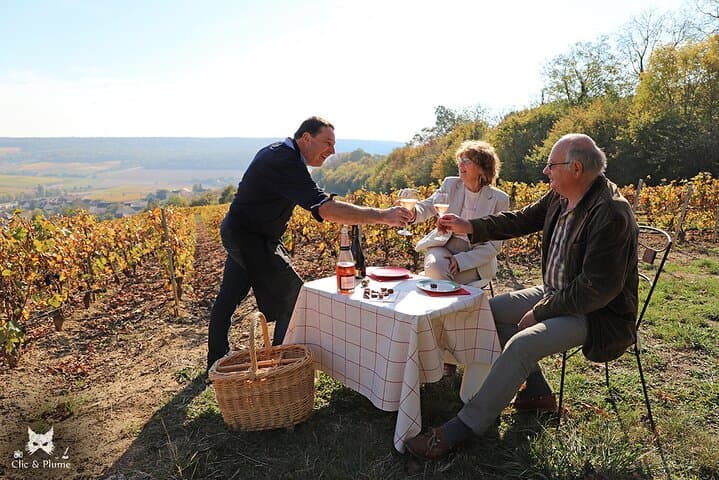
Morning light slants across chalky rows as a 4x4 hums through the slope—vines reach like a practiced audience and the air smells faintly of yeast and soil. Guests step from the vehicle into a field of pruned canes, taste buds alert for the first of three champagnes paired with small plates that range from foie gras to dark chocolate.
Morning light slants across chalky rows as a 4x4 hums through the slope—vines reach like a practiced audience and the air smells faintly of yeast and soil. Guests step from the vehicle into a field of pruned canes, taste buds alert for the first of three champagnes paired with small plates that range from foie gras to dark chocolate.
This private sensory tour moves from sun on the vine to cool cellar: a preserved 1889 grape press and a low, stone-lined cave where bottles sleep. Champagne’s geology is as honest as its bubbles—the region’s Cretaceous chalk filters water and lends crisp acidity that winemakers have shaped since the Roman age; the local culture revolves around harvest rhythms, family cellars and the ritual of dégorgement—here performed “à la volée.”
Expect a hands-on, low‑impact day that blends taste education with tactile moments—holding a bottle mid-disgorgement, feeling cork pressure, hearing the cellar’s hush. Practical notes: wear closed-toe shoes for uneven vineyard ground and cool cellars, bring a light jacket (cellars are 10–12°C), and pace tasting with water and small bites; the tour runs about 2.5–3 hours.
This experience suits curious eaters and novice oenophiles equally: the guide explains grape varieties, fermentation basics and how terroir shapes style. Book early for private slots during harvest and confirm dietary needs in advance—hosts can adapt pairings. For a short crawl through Champagne’s terroir and technique, this tour delivers context, flavors and a few well-kept cellar secrets.