THE ADVENTURE COLLECTIVE® · Independent discovery and booking for outdoor travel

Spend a private day in Champagne: cellar tours at major and family houses, a visit to Dom Pérignon's church, panoramic Marne valley views, and a gourmet lunch — all with a professional driver-guide. Learn about chalk soils, méthode champenoise and tasting etiquette while sampling 7–10 glasses.
Spend a private day in Champagne: cellar tours at major and family houses, a visit to Dom Pérignon's church, panoramic Marne valley views, and a gourmet lunch — all with a professional driver-guide. Learn about chalk soils, méthode champenoise and tasting etiquette while sampling 7–10 glasses.
You step out of an air-conditioned sedan onto a ribbon of gravel between rows of pruned vines; the Marne valley opens in layers of green and folded chalk like a map you can walk. The driver closes the door, the guide sketches the day ahead — two renowned houses, a family domaine, a church where Dom Pérignon is buried, and a hilltop view that shows how grape, soil and history align.
Verified experiences and guided adventures in the surrounding area.
Operated by Journey Beyond · Épernay, Grand Est
You step out of an air-conditioned sedan onto a ribbon of gravel between rows of pruned vines; the Marne valley opens in layers of green and folded chalk like a map you can walk. The driver closes the door, the guide sketches the day ahead — two renowned houses, a family domaine, a church where Dom Pérignon is buried, and a hilltop view that shows how grape, soil and history align.
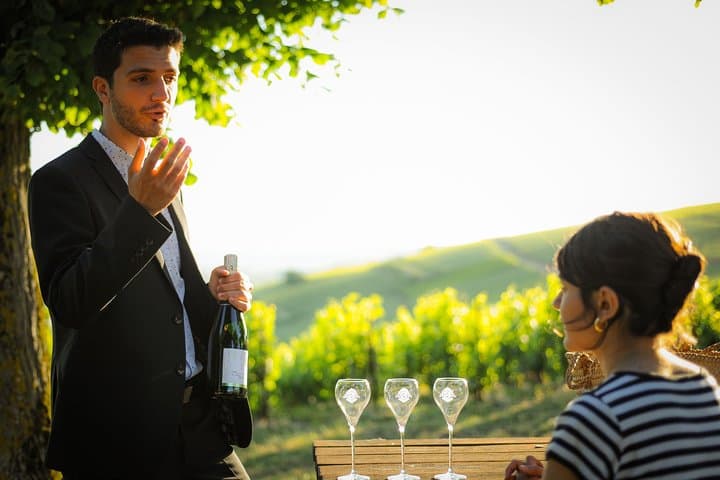
Geology and history are the day's textbook: Champagne's chalk subsoil drains cold springs and holds heat, shaping the region's crisp acidity. Monastic cellars and 18th-century houses turned fizz into a global industry; Épernay's Avenue de Champagne still reads like an open-air museum of stacked bottles and stone cellars. Culture here balances ritual tasting with rural rhythms — vintners, sommeliers and cellar masters happy to explain méthode champenoise and vineyard practices.
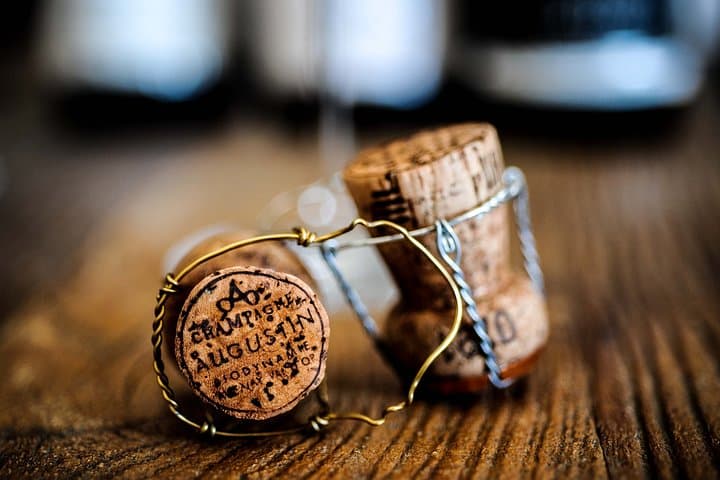
Practically, expect an 8–10 hour private tour by sedan with multiple cellar visits (including major houses and smaller producers), 7–10 tasting pours, and a gourmet lunch. Cellars are cool and often dim with uneven steps — wear sensible shoes and layers. Pace yourself through tastings, ask about dosage and terroir, and bring water between stops. The guide can tailor visits, so flag any preferences or dietary needs at booking. For photographers, low-light cellars mean adjustable ISO; for responsible travelers, stick to marked paths in vineyards and follow host guidance. This is an immersive, low-impact day of history, geology and bubbles designed to teach as much as it delights.
easy.
8–10 hours.
Suitable for most fitness levels; requires standing, short walks on uneven cellar floors and some steps.
Yes — the tour includes between 7 and 10 glasses across multiple cellar visits; pours vary by house.
The experience includes private transportation; confirm your pickup point when booking as pickup options are coordinated with the operator.
Children can join the vehicle, but tastings are for adults; operators typically require names and ages at booking and may restrict alcohol service to those 18+ or 21+ depending on policy.
The tour is rated easy but involves steps and uneven cellar floors; contact the operator ahead of time to discuss accessibility and alternate arrangements.
Champagne's fizz owes much to monastic cellars and innovations by cellar masters like Dom Pérignon; the region's chalky subsoil has shaped viticulture for centuries.
Many producers practice sustainable or organic viticulture; visitors should stay on paths, avoid disturbing vines and support producers who minimize chemical inputs.
Journey Beyond operates guided outdoor trips and adventures with an emphasis on safety, stewardship, and memorable experiences.
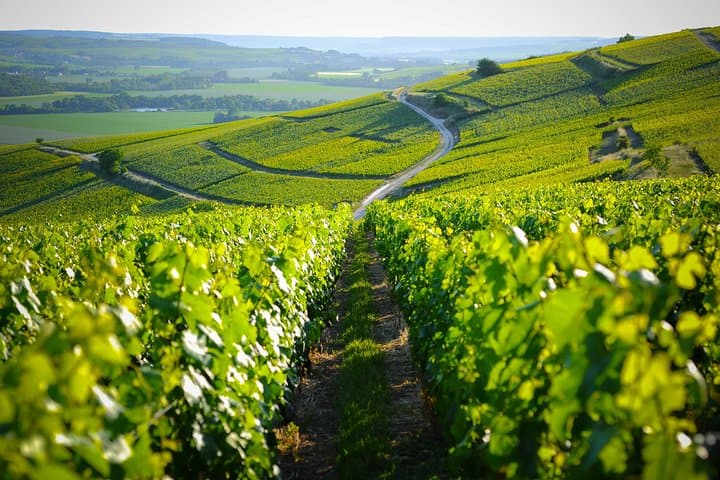
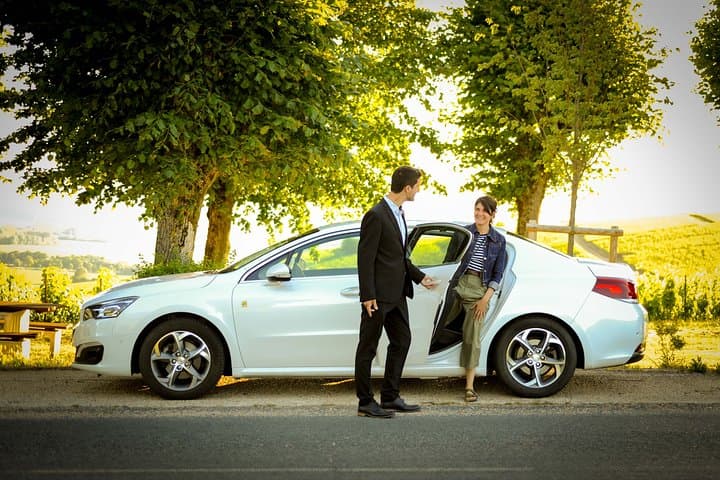
You step out of an air-conditioned sedan onto a ribbon of gravel between rows of pruned vines; the Marne valley opens in layers of green and folded chalk like a map you can walk. The driver closes the door, the guide sketches the day ahead — two renowned houses, a family domaine, a church where Dom Pérignon is buried, and a hilltop view that shows how grape, soil and history align.
You step out of an air-conditioned sedan onto a ribbon of gravel between rows of pruned vines; the Marne valley opens in layers of green and folded chalk like a map you can walk. The driver closes the door, the guide sketches the day ahead — two renowned houses, a family domaine, a church where Dom Pérignon is buried, and a hilltop view that shows how grape, soil and history align.
Geology and history are the day's textbook: Champagne's chalk subsoil drains cold springs and holds heat, shaping the region's crisp acidity. Monastic cellars and 18th-century houses turned fizz into a global industry; Épernay's Avenue de Champagne still reads like an open-air museum of stacked bottles and stone cellars. Culture here balances ritual tasting with rural rhythms — vintners, sommeliers and cellar masters happy to explain méthode champenoise and vineyard practices.
Practically, expect an 8–10 hour private tour by sedan with multiple cellar visits (including major houses and smaller producers), 7–10 tasting pours, and a gourmet lunch. Cellars are cool and often dim with uneven steps — wear sensible shoes and layers. Pace yourself through tastings, ask about dosage and terroir, and bring water between stops. The guide can tailor visits, so flag any preferences or dietary needs at booking. For photographers, low-light cellars mean adjustable ISO; for responsible travelers, stick to marked paths in vineyards and follow host guidance. This is an immersive, low-impact day of history, geology and bubbles designed to teach as much as it delights.