THE ADVENTURE COLLECTIVE® · Independent discovery and booking for outdoor travel

Spend a day moving from sunlit vineyards to cool, chalky cellars on a private tour that blends Moët and Veuve Clicquot house visits, the interactive Pressoria museum, and a stop in Reims. Expect tasting sessions, a local lunch, and a deeper read on Champagne’s geology and history.
Spend a day moving from sunlit vineyards to cool, chalky cellars on a private tour that blends Moët and Veuve Clicquot house visits, the interactive Pressoria museum, and a stop in Reims. Expect tasting sessions, a local lunch, and a deeper read on Champagne’s geology and history.
You arrive on a quiet Épernay morning; vine rows cut into chalky slopes like ordered waves and the air hints at yeast and oak. The tour moves from sunlit avenues to the cool, dim tunnels beneath the houses where thousands of bottles rest, their labels unreadable and their futures fizzing patiently.
Verified experiences and guided adventures in the surrounding area.
Operated by Tour Up in Europe · Épernay, Grand Est
You arrive on a quiet Épernay morning; vine rows cut into chalky slopes like ordered waves and the air hints at yeast and oak. The tour moves from sunlit avenues to the cool, dim tunnels beneath the houses where thousands of bottles rest, their labels unreadable and their futures fizzing patiently.
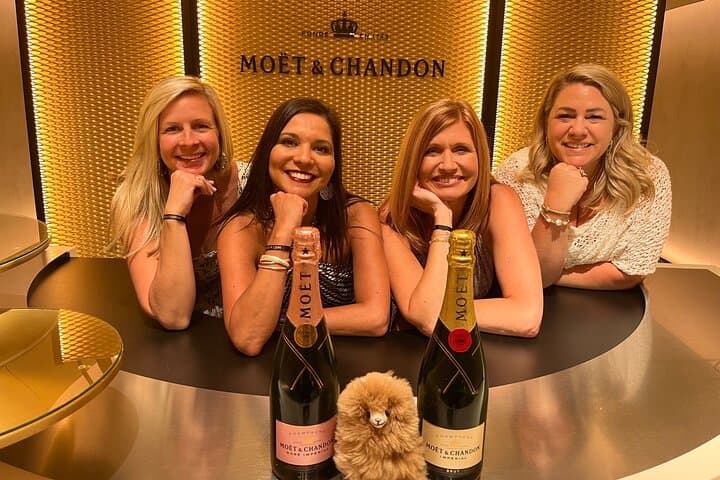
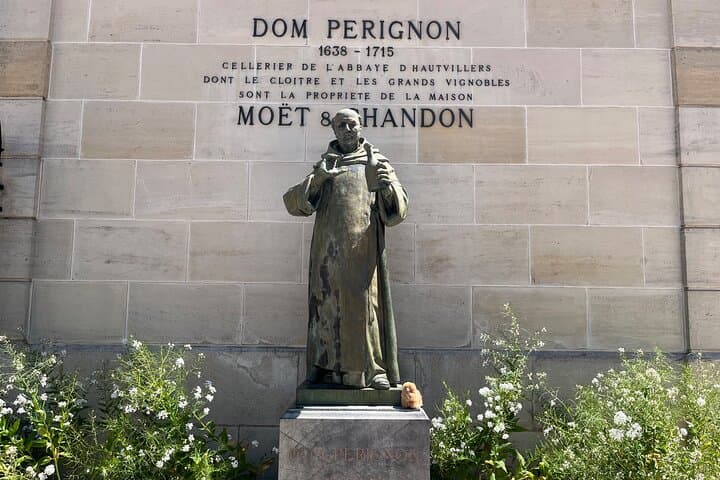
Champagne’s story is geological as much as cultural — a landscape of Cretaceous chalk that keeps cellars dry and cool and gives the sparkling wine its signature lift. The region’s winemaking heritage threads through names you’ll hear all day: Dom Pérignon in his abbey, the grand maisons of Moët in Épernay and Veuve Clicquot in Reims, and the village cellars of Aÿ where small growers still press grapes by hand.
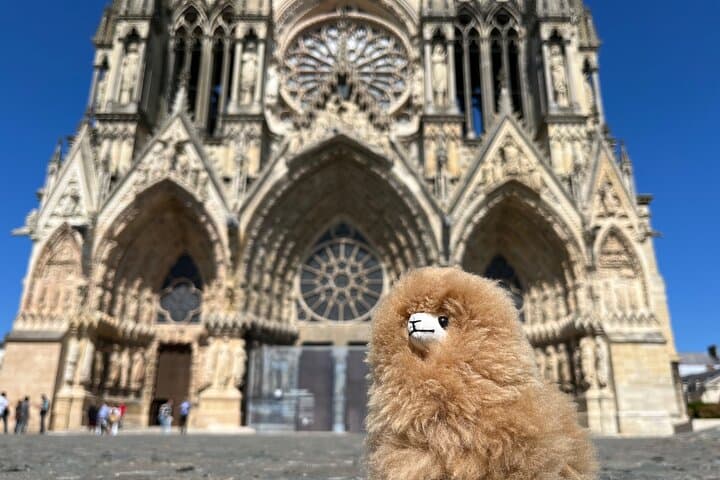
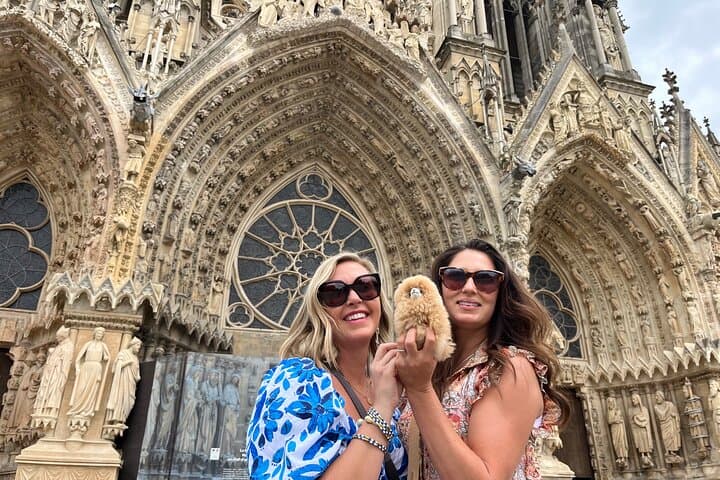
You’ll visit a contrast of scales: grand, engineered cellars where business meets ritual, and the Pressoria museum that frames production through touch and sight. Stop for a village lunch to sample local charcuterie and the region’s clean acidity on the palate before a guided walk past panoramic hilltop views and Reims Cathedral’s Gothic façade.
Practically: plan for a 10‑hour day with about three 60–90 minute cellar visits and driving between sites; comfortable shoes and a light layer are wise because temperatures dip underground. Book tastings in advance — popular maisons restrict numbers — and leave room in your luggage for bottles bought locally. The tour includes air‑conditioned transfer and accessibility options, but confirm specific cellar access when booking. Hydrate between tastings and expect staff to enforce photography and handling rules in the cellars.
easy.
8–10 hours.
Minimal fitness required; involves short walks, standing during tastings, and boarding vehicle transfers.
They aim to include both but closures or availability can require substitutions; confirm at booking if specific maisons are essential.
Yes — the tour includes air‑conditioned vehicle transfers and hotel pick‑up as described, with some time spent in transit.
Tastings at included stops are part of the itinerary; typical visits include two small tastings per major house and additional samples at the Pressoria museum.
The operator notes wheelchair access and accessible vehicles, but some historic cellar areas may have stairs—confirm exact cellar access when booking.
Champagne’s sparkling wine rose from incremental technical innovations in bottle fermentation; Dom Pérignon and 18th–19th century houses expanded the region’s international reach.
Vineyard practices and tourism demand stress land use; support small producers, follow cellar rules, and limit single‑use plastics to reduce impact.
Tour Up in Europe operates guided outdoor trips and adventures with an emphasis on safety, stewardship, and memorable experiences.
You arrive on a quiet Épernay morning; vine rows cut into chalky slopes like ordered waves and the air hints at yeast and oak. The tour moves from sunlit avenues to the cool, dim tunnels beneath the houses where thousands of bottles rest, their labels unreadable and their futures fizzing patiently.
You arrive on a quiet Épernay morning; vine rows cut into chalky slopes like ordered waves and the air hints at yeast and oak. The tour moves from sunlit avenues to the cool, dim tunnels beneath the houses where thousands of bottles rest, their labels unreadable and their futures fizzing patiently.
Champagne’s story is geological as much as cultural — a landscape of Cretaceous chalk that keeps cellars dry and cool and gives the sparkling wine its signature lift. The region’s winemaking heritage threads through names you’ll hear all day: Dom Pérignon in his abbey, the grand maisons of Moët in Épernay and Veuve Clicquot in Reims, and the village cellars of Aÿ where small growers still press grapes by hand.
You’ll visit a contrast of scales: grand, engineered cellars where business meets ritual, and the Pressoria museum that frames production through touch and sight. Stop for a village lunch to sample local charcuterie and the region’s clean acidity on the palate before a guided walk past panoramic hilltop views and Reims Cathedral’s Gothic façade.
Practically: plan for a 10‑hour day with about three 60–90 minute cellar visits and driving between sites; comfortable shoes and a light layer are wise because temperatures dip underground. Book tastings in advance — popular maisons restrict numbers — and leave room in your luggage for bottles bought locally. The tour includes air‑conditioned transfer and accessibility options, but confirm specific cellar access when booking. Hydrate between tastings and expect staff to enforce photography and handling rules in the cellars.