THE ADVENTURE COLLECTIVE® · Independent discovery and booking for outdoor travel

Spend a full day from Paris exploring Dom Pérignon and Ruinart cellars, a Michelin‑paired lunch, and historic Hautvillers. Expect intimate tastings, chalk cellars with UNESCO status, and a long but rewarding 12–13 hour itinerary.
Spend a full day from Paris exploring Dom Pérignon and Ruinart cellars, a Michelin‑paired lunch, and historic Hautvillers. Expect intimate tastings, chalk cellars with UNESCO status, and a long but rewarding 12–13 hour itinerary.
Morning light sketches rows of vines as the Mercedes eases out of Paris and into the chalky hills of Champagne. The drive follows the Marne; vineyards slope and fold like sleeves of pale green, and the region’s chalk soil—soft, white, and porous—seems to hold the century-long hush of cellar tunnels below.
Verified experiences and guided adventures in the surrounding area.
Operated by Clewel Travel · Épernay, Grand Est
Morning light sketches rows of vines as the Mercedes eases out of Paris and into the chalky hills of Champagne. The drive follows the Marne; vineyards slope and fold like sleeves of pale green, and the region’s chalk soil—soft, white, and porous—seems to hold the century-long hush of cellar tunnels below.
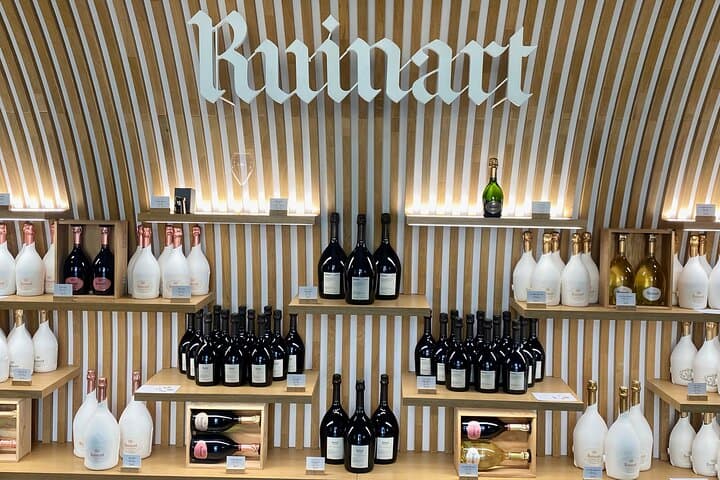
This is a day that threads modern luxury through deep local history: Ruinart, founded in 1729, opened cellars carved from Champagne’s chalk, later recognized in the UNESCO listing for the Champagne Hillsides, Houses and Cellars. Hautvillers’ Abbey of Saint‑Sindulphe is where the monk Dom Pérignon refined techniques that shaped sparkling wine production. Geology here matters—the crayères (chalk cellars) regulate temperature and lend mineral character to the wines.
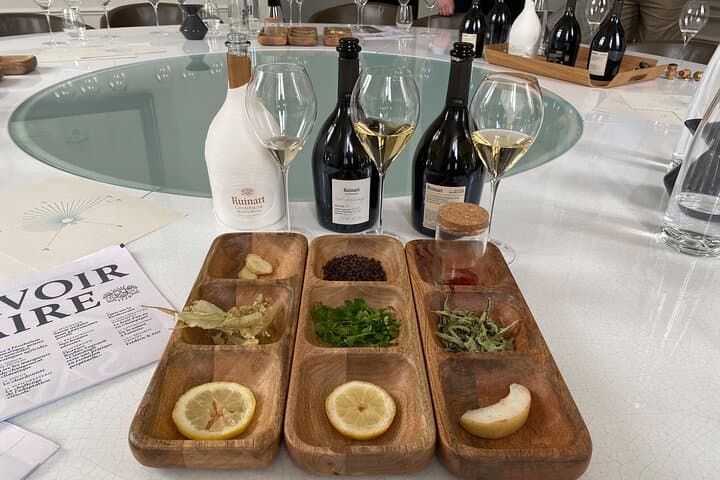
Practically, the itinerary balances intimate cellar access and a Michelin four‑course lunch paired with Champagne, bookended by comfortable transfers. Expect two cellar visits—the Dom Pérignon ambassador leads a focused tasting of vintages in restricted cellars, and Ruinart’s guided tour exposes the UNESCO‑listed galleries and Blanc de Blancs traditions.
For travelers: bring ID (tastings restricted to 18+), wear closed shoes for uneven cellar steps, and pace tastings with water between pours. Timing is long—roughly a 12–13 hour day—so plan for a full-day rhythm: early pickup, mid‑day lunch, late afternoon return. Book in advance for small-group exclusivity, and consider requesting dietary needs at booking. The cellars invite a tactile relationship with place—cool walls that hold history, bubbles that keep daring time—making this a sensory, structured dive into Champagne’s craft.
easy.
12–13 hours.
Suitable for most fitness levels; be prepared for standing and walking on uneven cellar steps and a full day of travel.
Hotel pick-up begins around 07:30; exact pickup point and time are confirmed at booking based on your Paris address.
Non-drinkers may join the tour; inform the operator to provide water or non-alcoholic alternatives during tastings and pairings.
Cellar visits include steps and narrow passages; accessibility is limited—contact the operator before booking to discuss accommodations.
Yes, both Dom Pérignon and Ruinart often offer bottles for sale at house boutiques; bring a credit card and check customs rules for international transport.
Hautvillers’ abbey is where Dom Pérignon (a 17th‑century Benedictine monk) advanced blending and pressure control; Ruinart predates modern Champagne houses, founded in 1729.
The Champagne UNESCO listing protects historic cellars and landscape; many houses now use sustainable viticulture practices to reduce chemical inputs and protect vineyard soils.
Clewel Travel operates guided outdoor trips and adventures with an emphasis on safety, stewardship, and memorable experiences.


Morning light sketches rows of vines as the Mercedes eases out of Paris and into the chalky hills of Champagne. The drive follows the Marne; vineyards slope and fold like sleeves of pale green, and the region’s chalk soil—soft, white, and porous—seems to hold the century-long hush of cellar tunnels below.
Morning light sketches rows of vines as the Mercedes eases out of Paris and into the chalky hills of Champagne. The drive follows the Marne; vineyards slope and fold like sleeves of pale green, and the region’s chalk soil—soft, white, and porous—seems to hold the century-long hush of cellar tunnels below.
This is a day that threads modern luxury through deep local history: Ruinart, founded in 1729, opened cellars carved from Champagne’s chalk, later recognized in the UNESCO listing for the Champagne Hillsides, Houses and Cellars. Hautvillers’ Abbey of Saint‑Sindulphe is where the monk Dom Pérignon refined techniques that shaped sparkling wine production. Geology here matters—the crayères (chalk cellars) regulate temperature and lend mineral character to the wines.
Practically, the itinerary balances intimate cellar access and a Michelin four‑course lunch paired with Champagne, bookended by comfortable transfers. Expect two cellar visits—the Dom Pérignon ambassador leads a focused tasting of vintages in restricted cellars, and Ruinart’s guided tour exposes the UNESCO‑listed galleries and Blanc de Blancs traditions.
For travelers: bring ID (tastings restricted to 18+), wear closed shoes for uneven cellar steps, and pace tastings with water between pours. Timing is long—roughly a 12–13 hour day—so plan for a full-day rhythm: early pickup, mid‑day lunch, late afternoon return. Book in advance for small-group exclusivity, and consider requesting dietary needs at booking. The cellars invite a tactile relationship with place—cool walls that hold history, bubbles that keep daring time—making this a sensory, structured dive into Champagne’s craft.