THE ADVENTURE COLLECTIVE® · Independent discovery and booking for outdoor travel

Spend a day between Reims and Épernay visiting a major house, touring a family grower, and walking Champagne Avenue. Expect cellar cool, vineyard sun, and four comparative tastings that reveal how chalk, climate, and craft shape Champagne.
Spend a day between Reims and Épernay visiting a major house, touring a family grower, and walking Champagne Avenue. Expect cellar cool, vineyard sun, and four comparative tastings that reveal how chalk, climate, and craft shape Champagne.
You step out of the minivan into a cool, lamp-lit cellar where the air smells of yeast and time; racks of stacked bottles slope into darkness and the guide clicks on a narrow beam of light to reveal hand-stamped lees. That first tasting, bubbles bright on the tongue, is a clear invitation — not just to taste, but to read the landscape that made it.
Verified experiences and guided adventures in the surrounding area.
Operated by Champagne Tours · Reims, Grand Est
You step out of the minivan into a cool, lamp-lit cellar where the air smells of yeast and time; racks of stacked bottles slope into darkness and the guide clicks on a narrow beam of light to reveal hand-stamped lees. That first tasting, bubbles bright on the tongue, is a clear invitation — not just to taste, but to read the landscape that made it.
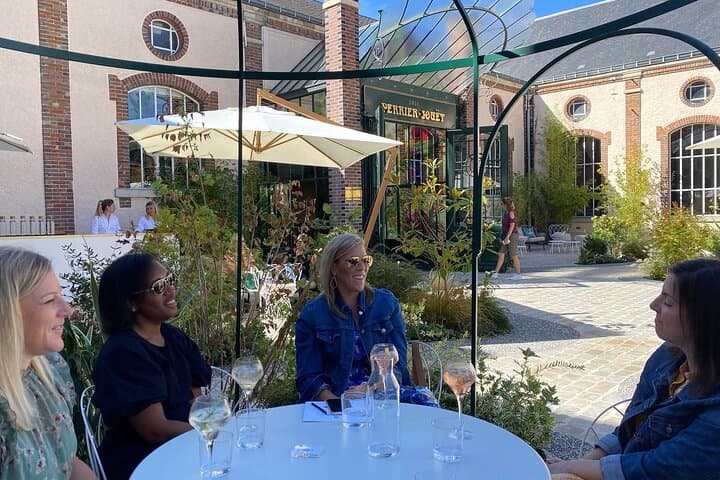
This day trip moves from the Gothic vaults of Reims Cathedral (13th century coronation site for French kings) to the industrial scale of a major house like Mumm or Taittinger, then along Avenue de Champagne in Épernay where grand facades announce centuries of commerce and technique. Geology matters here: chalk subsoils carved by ancient seas give grapes drainage and minerality; the region’s winemaking tradition is both craft and regulated system under the Champagne appellation.
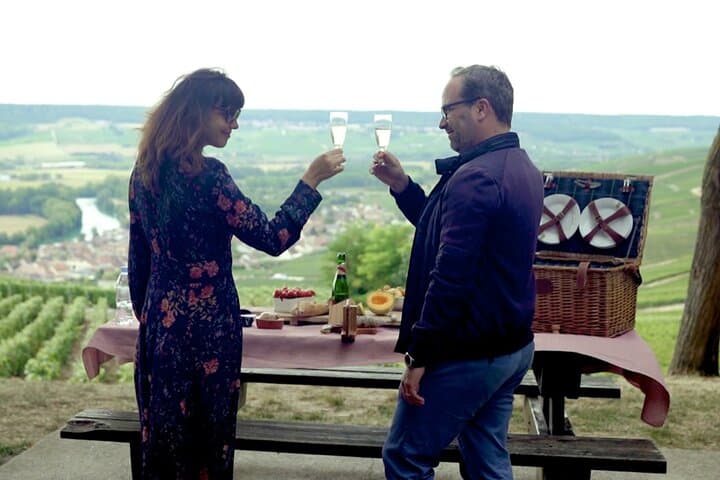
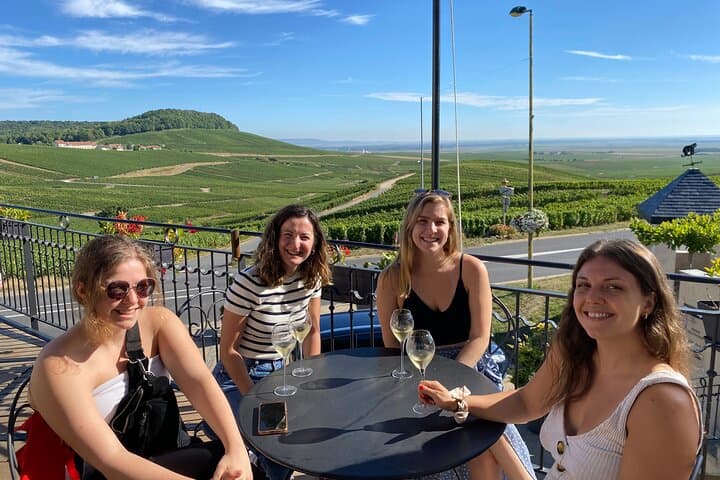
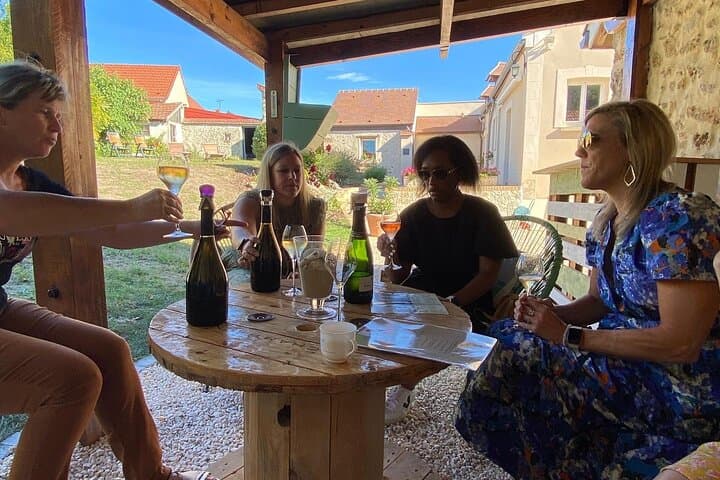
Practical flow: mornings are for cellar tours and structured tastings at large houses; afternoons are quieter at a family grower where you see press, vats, and a working vineyard, ending with four contrasting glasses. Expect a mix of indoor walking in cool, often damp tunnels and short outdoor vineyard strolls. Lunch in Reims is independent — good local bistros are abundant and flexible for timing.
Plan for variable temperatures underground, sensible shoes for uneven cellar floors, and light layers for sun on the slopes. If you want context for each bottle, ask growers about dosage, malolactic choices, and vine age — those details reveal the method behind the sparkle.
easy.
5–8 hours.
Suitable for most fitness levels; requires standing and walking on uneven cellar floors and short vineyard walks.
The tour departs and returns to central Reims; there’s a Paris pickup option at Place de la Nation for some departures.
Yes—tastings at the major house (Mumm or Taittinger) plus four glasses at the family grower are included; lunch is not included.
The itinerary notes infant seats available and tours are physically easy, but tastings are for adults; check the operator’s policy for minors.
If Mumm or Taittinger is unavailable, the operator typically substitutes a comparable house so the itinerary’s structure and tasting format remain similar.
Reims has been a ceremonial center since Roman and medieval times; its cathedral hosted coronations of French monarchs and sits at the historic heart of Champagne country.
Many small growers emphasize organic and low-intervention practices to protect chalk soils and biodiversity; visitors should stay on paths and avoid disturbing vine rows.
Champagne Tours operates guided outdoor trips and adventures with an emphasis on safety, stewardship, and memorable experiences.
You step out of the minivan into a cool, lamp-lit cellar where the air smells of yeast and time; racks of stacked bottles slope into darkness and the guide clicks on a narrow beam of light to reveal hand-stamped lees. That first tasting, bubbles bright on the tongue, is a clear invitation — not just to taste, but to read the landscape that made it.
You step out of the minivan into a cool, lamp-lit cellar where the air smells of yeast and time; racks of stacked bottles slope into darkness and the guide clicks on a narrow beam of light to reveal hand-stamped lees. That first tasting, bubbles bright on the tongue, is a clear invitation — not just to taste, but to read the landscape that made it.
This day trip moves from the Gothic vaults of Reims Cathedral (13th century coronation site for French kings) to the industrial scale of a major house like Mumm or Taittinger, then along Avenue de Champagne in Épernay where grand facades announce centuries of commerce and technique. Geology matters here: chalk subsoils carved by ancient seas give grapes drainage and minerality; the region’s winemaking tradition is both craft and regulated system under the Champagne appellation.
Practical flow: mornings are for cellar tours and structured tastings at large houses; afternoons are quieter at a family grower where you see press, vats, and a working vineyard, ending with four contrasting glasses. Expect a mix of indoor walking in cool, often damp tunnels and short outdoor vineyard strolls. Lunch in Reims is independent — good local bistros are abundant and flexible for timing.
Plan for variable temperatures underground, sensible shoes for uneven cellar floors, and light layers for sun on the slopes. If you want context for each bottle, ask growers about dosage, malolactic choices, and vine age — those details reveal the method behind the sparkle.