THE ADVENTURE COLLECTIVE® · Independent discovery and booking for outdoor travel

Ride in a Defender 110 into the heart of Champagne for vineyard walks, a family-winery cellar tour and at least two tastings. Visit Hautvillers, learn about chalk soils and vinification, and enjoy a terroir-driven lunch with panoramic views.
Ride in a Defender 110 into the heart of Champagne for vineyard walks, a family-winery cellar tour and at least two tastings. Visit Hautvillers, learn about chalk soils and vinification, and enjoy a terroir-driven lunch with panoramic views.
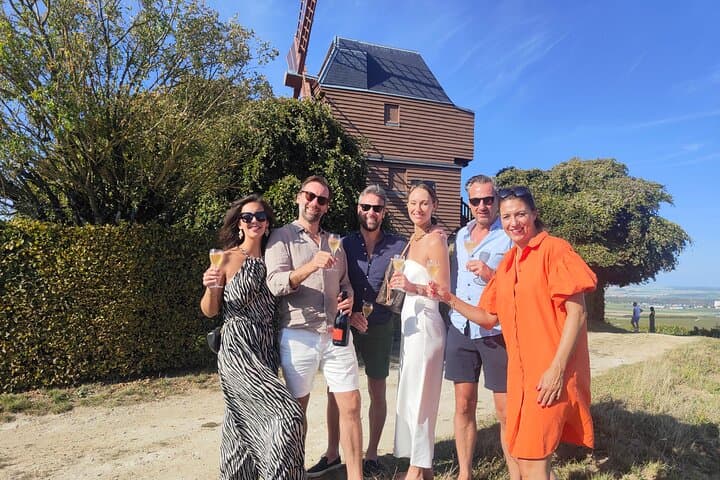
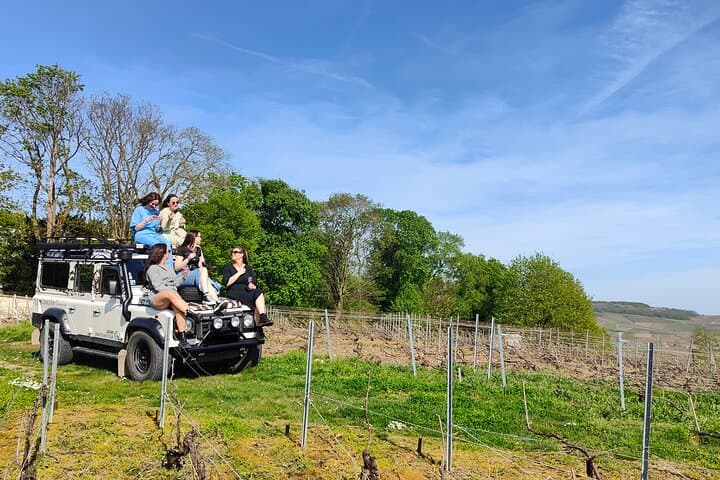
A dusty Land Rover grumbles up a narrow lane and the vineyard opens — rows of staked vines stepping down toward the Marne like a green staircase. You stand on a low ridge, glass in hand, wind pushing the scent of yeast and crushed grass toward your face; below, Épernay and the river sit in a folded valley. The day moves at a human pace: a morning drive in a Defender 110, a walk through terraces of chalky soil, lunch in a farm-style restaurant, then a cellar tour and tasting with an independent grower.
Verified experiences and guided adventures in the surrounding area.
Operated by CONNEXION CHAMPENOISE · Épernay, Grand Est
A dusty Land Rover grumbles up a narrow lane and the vineyard opens — rows of staked vines stepping down toward the Marne like a green staircase. You stand on a low ridge, glass in hand, wind pushing the scent of yeast and crushed grass toward your face; below, Épernay and the river sit in a folded valley. The day moves at a human pace: a morning drive in a Defender 110, a walk through terraces of chalky soil, lunch in a farm-style restaurant, then a cellar tour and tasting with an independent grower.
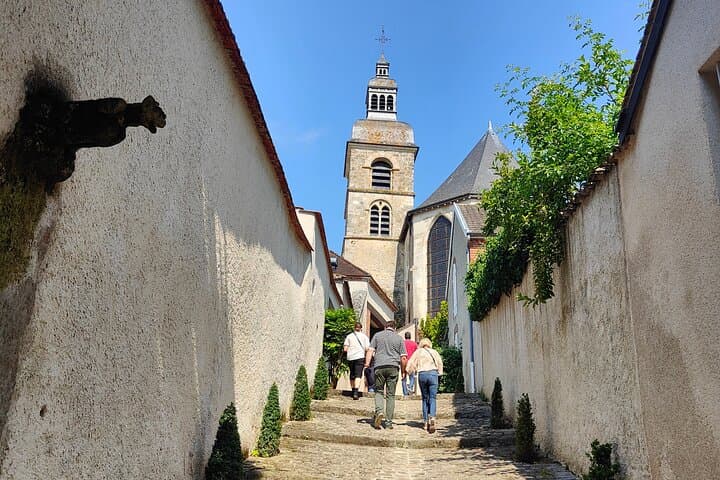
Champagne’s story is geological as much as cultural — Champagne sits on layers of Cretaceous chalk that retain heat and drainage, forcing vines to root deep and grapes to concentrate flavor. The villages around Reims and Épernay grew around abbeys and trade routes; Hautvillers, where Dom Pérignon served, remains a compact village of stone, cellars and viewpoints.
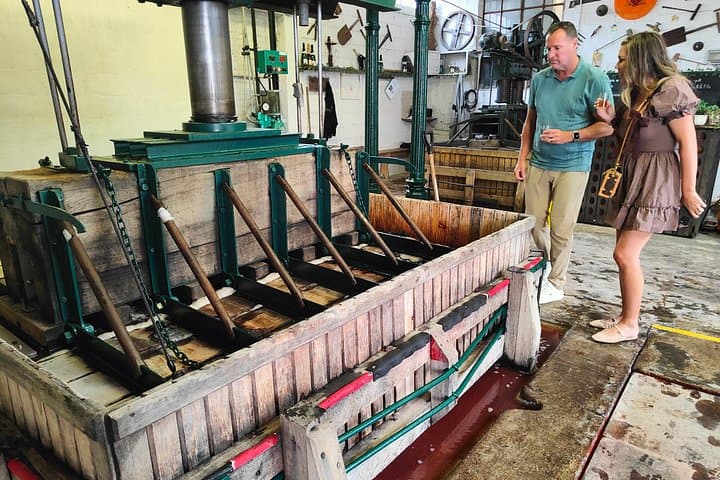
Expect close-up lessons in pressing, riddling and dosage, and at least two cuvées from a family estate. The tour is intimate and human-focused: the guide-driver will open gates that bigger vehicles can’t, and small group tasting frames conversations with winemakers rather than a conveyor-belt tasting.
Practical guidance: bring sturdy shoes for gravel and slope, layer for changeable weather, and plan a sober driver or transfer if you’ll taste. Bookings usually include private transport, lunch and tastings; confirm dietary needs in advance. Morning light is best for photos and cooler walks, while late afternoon brings warm, golden views over the Marne. This is a day designed to teach you the land that makes champagne — its soil, its people, and the slow work between vine and bottle.
easy.
7–8 hours.
Suitable for most fitness levels; mainly seated travel with short, uneven vineyard walks and cellar stairs.
Yes — private transport in a Defender 110 is provided for the full-day itinerary.
The tour includes at least two cuvée tastings at an independent family winery plus a vineyard tasting in the field.
The tour is family-friendly and mostly easy, but vineyard paths and cellar stairs can be uneven — contact the operator to discuss access needs.
Yes — notify the operator when booking so the restaurant can prepare suitable options.
Hautvillers is where Dom Pérignon, the Benedictine monk linked to early Champagne methods, worked; the region’s chalk soils have driven viticulture since Roman times.
Many small growers in Champagne are adopting organic or biodynamic practices; stick to paths to limit soil compaction and support independent producers by buying bottles directly.
CONNEXION CHAMPENOISE operates guided outdoor trips and adventures with an emphasis on safety, stewardship, and memorable experiences.
A dusty Land Rover grumbles up a narrow lane and the vineyard opens — rows of staked vines stepping down toward the Marne like a green staircase. You stand on a low ridge, glass in hand, wind pushing the scent of yeast and crushed grass toward your face; below, Épernay and the river sit in a folded valley. The day moves at a human pace: a morning drive in a Defender 110, a walk through terraces of chalky soil, lunch in a farm-style restaurant, then a cellar tour and tasting with an independent grower.
A dusty Land Rover grumbles up a narrow lane and the vineyard opens — rows of staked vines stepping down toward the Marne like a green staircase. You stand on a low ridge, glass in hand, wind pushing the scent of yeast and crushed grass toward your face; below, Épernay and the river sit in a folded valley. The day moves at a human pace: a morning drive in a Defender 110, a walk through terraces of chalky soil, lunch in a farm-style restaurant, then a cellar tour and tasting with an independent grower.
Champagne’s story is geological as much as cultural — Champagne sits on layers of Cretaceous chalk that retain heat and drainage, forcing vines to root deep and grapes to concentrate flavor. The villages around Reims and Épernay grew around abbeys and trade routes; Hautvillers, where Dom Pérignon served, remains a compact village of stone, cellars and viewpoints.
Expect close-up lessons in pressing, riddling and dosage, and at least two cuvées from a family estate. The tour is intimate and human-focused: the guide-driver will open gates that bigger vehicles can’t, and small group tasting frames conversations with winemakers rather than a conveyor-belt tasting.
Practical guidance: bring sturdy shoes for gravel and slope, layer for changeable weather, and plan a sober driver or transfer if you’ll taste. Bookings usually include private transport, lunch and tastings; confirm dietary needs in advance. Morning light is best for photos and cooler walks, while late afternoon brings warm, golden views over the Marne. This is a day designed to teach you the land that makes champagne — its soil, its people, and the slow work between vine and bottle.