THE ADVENTURE COLLECTIVE® · Independent discovery and booking for outdoor travel

Swap Reims’ cathedral spires for cool chalk cellars and vineyard panoramas on an eight‑hour Champagne tour that visits historic sites, two contrasting estates and the village tied to Dom Pérignon. Expect guided tastings, cellar stairs and a lunch break in Épernay.
Swap Reims’ cathedral spires for cool chalk cellars and vineyard panoramas on an eight‑hour Champagne tour that visits historic sites, two contrasting estates and the village tied to Dom Pérignon. Expect guided tastings, cellar stairs and a lunch break in Épernay.
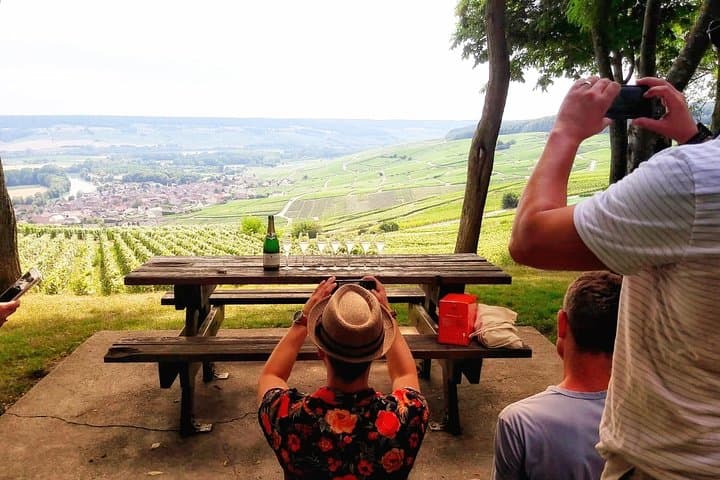
Morning light slices across chalky slopes as the van leaves Reims and the vineyards unfold—neat rows on rolling hills that have been pruned and parcelled for centuries. On this full‑day circuit, travelers trade the city’s Gothic silhouette for the cool hush of underground cellars and the bright pop of freshly poured Champagne.
Verified experiences and guided adventures in the surrounding area.
Operated by Wine Tours Paris · Reims, Grand Est
Morning light slices across chalky slopes as the van leaves Reims and the vineyards unfold—neat rows on rolling hills that have been pruned and parcelled for centuries. On this full‑day circuit, travelers trade the city’s Gothic silhouette for the cool hush of underground cellars and the bright pop of freshly poured Champagne.
The route follows the historic Champagne road: stops include Reims Cathedral, where French kings were crowned, Épernay’s Avenue de Champagne, and the small village associated with Dom Pérignon. Geology shapes the story here—the Champagne region sits on Champagne chalk, a porous limestone that holds water and moderates temperature, producing the high-acidity grapes prized for sparkling wine. Culturally, the area blends agrarian winemaking with aristocratic houses; tastings show contrasts between family growers and grandes maisons.
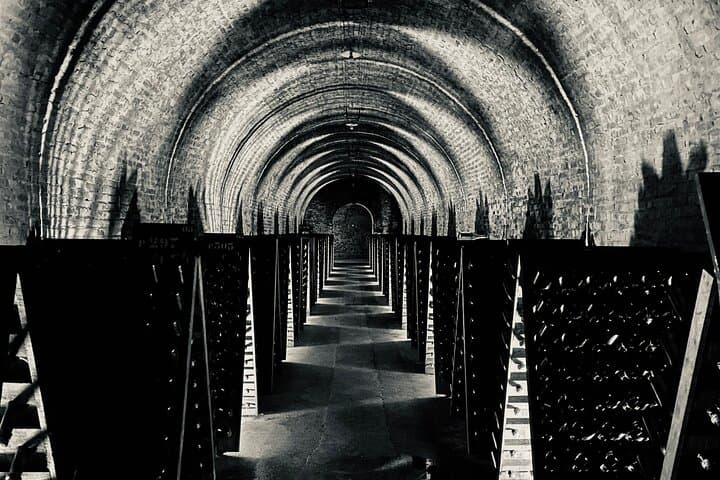
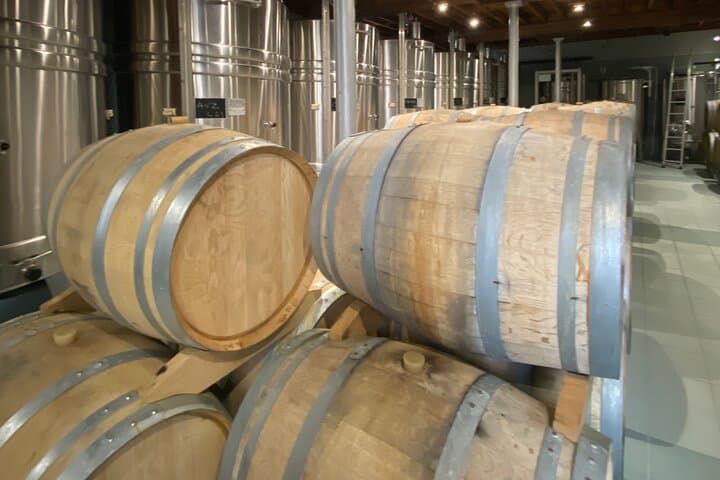
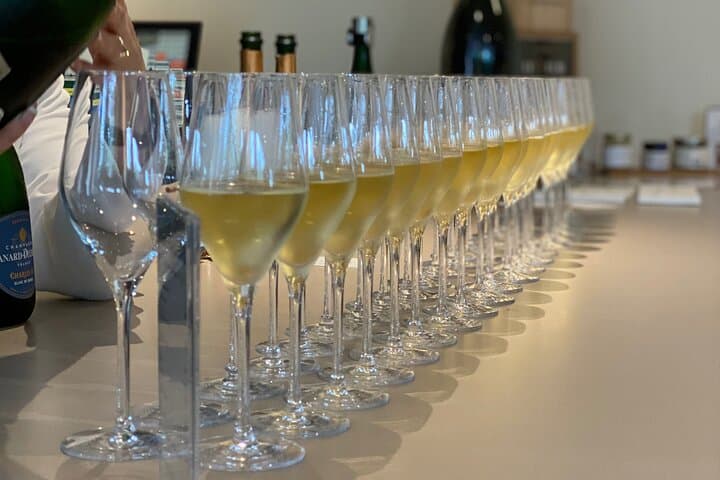
Expect guided cellar tours (UNESCO‑listed caves in places), at least six tastings across two estates, and a 90‑minute lunch window in Épernay. Cellars are cool with uneven stone steps; vineyard viewpoints offer expansive, often windy panoramas. Guides or sommeliers explain méthode champenoise, aging on lees, and terroir-driven differences.
Practical notes: bring valid ID, comfortable shoes for cellar stairs, and a small daypack. Bookings often require advance notice for dietary needs; the tour runs about eight hours from central Reims with air‑conditioned transport. If visiting in harvest season (September–October), expect more activity in the vineyards and occasional delays for picking. Pack a light jacket and plan for both tasting and walking—Champagne invites curiosity and steady steps.
easy.
8 hours.
Suitable for average fitness; involves standing for tastings and short walks with stairs in cellars
The tour is approximately 8 hours, departing from Reims with a mid‑day stop in Épernay for lunch.
The itinerary includes visits to two different Champagne producers and at least six tastings covering distinct styles and production explanations.
Yes—email the operator the day before with any dietary restrictions to arrange suitable lunch options.
Yes—air‑conditioned van transport is included between Reims, the vineyards, and Épernay; meeting points are Reims train station or in front of the cathedral.
Reims was the coronation site for French kings and the Champagne trade developed around 17th–18th century demand; Hautvillers is associated with Dom Pérignon’s work on sparkling wine.
Many producers practice sustainable viticulture and limit herbicide use; visitors are encouraged to stay on paths and avoid trampling vine rows to protect soil structure.
Wine Tours Paris operates guided outdoor trips and adventures with an emphasis on safety, stewardship, and memorable experiences.
Morning light slices across chalky slopes as the van leaves Reims and the vineyards unfold—neat rows on rolling hills that have been pruned and parcelled for centuries. On this full‑day circuit, travelers trade the city’s Gothic silhouette for the cool hush of underground cellars and the bright pop of freshly poured Champagne.
Morning light slices across chalky slopes as the van leaves Reims and the vineyards unfold—neat rows on rolling hills that have been pruned and parcelled for centuries. On this full‑day circuit, travelers trade the city’s Gothic silhouette for the cool hush of underground cellars and the bright pop of freshly poured Champagne.
The route follows the historic Champagne road: stops include Reims Cathedral, where French kings were crowned, Épernay’s Avenue de Champagne, and the small village associated with Dom Pérignon. Geology shapes the story here—the Champagne region sits on Champagne chalk, a porous limestone that holds water and moderates temperature, producing the high-acidity grapes prized for sparkling wine. Culturally, the area blends agrarian winemaking with aristocratic houses; tastings show contrasts between family growers and grandes maisons.
Expect guided cellar tours (UNESCO‑listed caves in places), at least six tastings across two estates, and a 90‑minute lunch window in Épernay. Cellars are cool with uneven stone steps; vineyard viewpoints offer expansive, often windy panoramas. Guides or sommeliers explain méthode champenoise, aging on lees, and terroir-driven differences.
Practical notes: bring valid ID, comfortable shoes for cellar stairs, and a small daypack. Bookings often require advance notice for dietary needs; the tour runs about eight hours from central Reims with air‑conditioned transport. If visiting in harvest season (September–October), expect more activity in the vineyards and occasional delays for picking. Pack a light jacket and plan for both tasting and walking—Champagne invites curiosity and steady steps.