THE ADVENTURE COLLECTIVE® · Independent discovery and booking for outdoor travel

Cruise from Hoi An to the Cham Islands for speedboat transfers, beach time and guided snorkeling in a UNESCO Biosphere Reserve. Learn about the islands’ fishing culture, temple sites and reef ecology, then get practical tips for timing, gear and conservation.
Cruise from Hoi An to the Cham Islands for speedboat transfers, beach time and guided snorkeling in a UNESCO Biosphere Reserve. Learn about the islands’ fishing culture, temple sites and reef ecology, then get practical tips for timing, gear and conservation.
You step onto the speedboat at Cua Dai as the coastline of Hoi An slides away—limestone shoulders of the Cham archipelago rise from blue-green water, and the sea immediately begins to test you with currents and color.
Verified experiences and guided adventures in the surrounding area.
Operated by April Adventure Travel · Hoi An, Quang Nam
You step onto the speedboat at Cua Dai as the coastline of Hoi An slides away—limestone shoulders of the Cham archipelago rise from blue-green water, and the sea immediately begins to test you with currents and color.
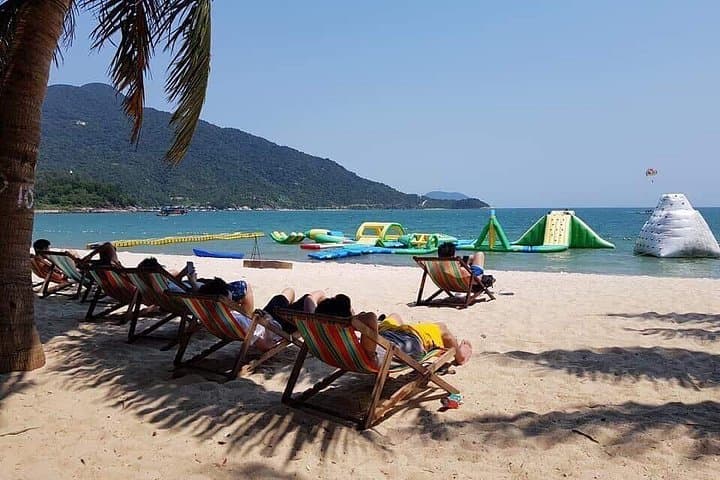
These eight islets make up Cu Lao Cham Marine Park, a UNESCO Biosphere Reserve where granite outcrops, white sand beaches and coral gardens record millennia of reef growth and coastal trade. Cham fishermen have worked these waters for generations; you’ll see simple wooden boats and small temple sites like Hai Tang Pagoda and Ong Temple, reminders of the islands’ cultural threads tied to fishing and pilgrimage.
Geologically the islands are granite and metamorphic rock pushed up and weathered into steep shorelines; reefs cling in the calmer bays. In the shallows, parrotfish and butterflyfish move like living brushstrokes across coral bommies. The sea’s personality changes fast—calm, then brief chop—so timing matters.
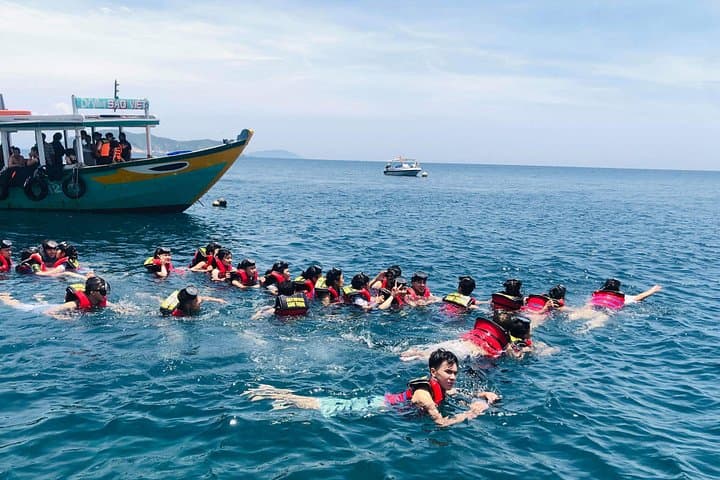
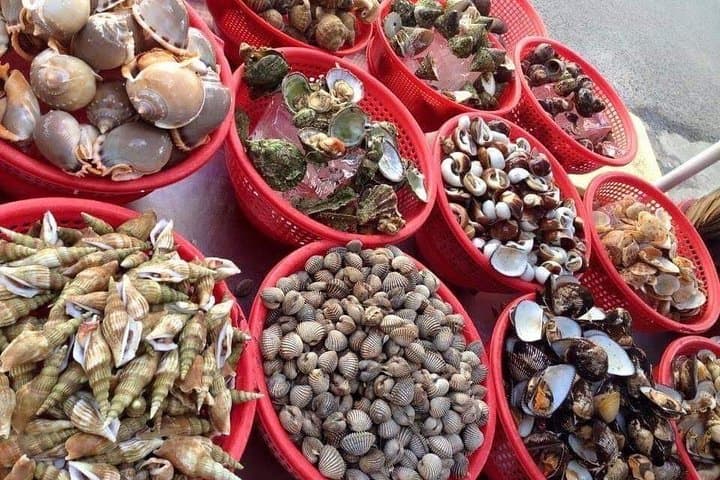
Practical guidance: expect a 6–7 hour outing with hotel pickup in Hoi An, a 30–40 minute speedboat run, and guided snorkeling sessions (equipment provided). Bring reef-safe sunscreen, a swim change, and a light towel; shoes for rocky temple approaches help. If you’re prone to seasickness, medicate before boarding and choose a seat near the middle of the boat. Lunch is typically grilled seafood on the beach; vegetarian options are limited, so flag dietary needs in advance. Plan the trip between March and August for the calmest water and best visibility. Respect no-take zones and avoid standing on coral—the islands are fragile but resilient if visitors act responsibly.
easy.
6–7 hours.
Basic fitness for short swims and walking on sandy and rocky beaches; able to board a speedboat.
Yes—most tours provide life jackets and snorkel equipment, but you can bring your own mask for comfort.
The speedboat transfer from Cua Dai to the islands typically takes about 30–40 minutes depending on sea conditions.
Lunch is usually grilled seafood with side dishes; vegetarian options are limited—notify the operator ahead if you require alternatives.
Tours often cancel in rough weather for safety; operators will refund or reschedule if the trip is called off due to sea conditions.
The islands were historically a stop on coastal trading routes and are now part of a UNESCO Biosphere Reserve that protects both cultural and marine heritage.
Cu Lao Cham enforces no-take zones and limits on anchoring and fishing; visitors are asked to avoid trampling reefs and to use reef-safe products.
April Adventure Travel operates guided outdoor trips and adventures with an emphasis on safety, stewardship, and memorable experiences.
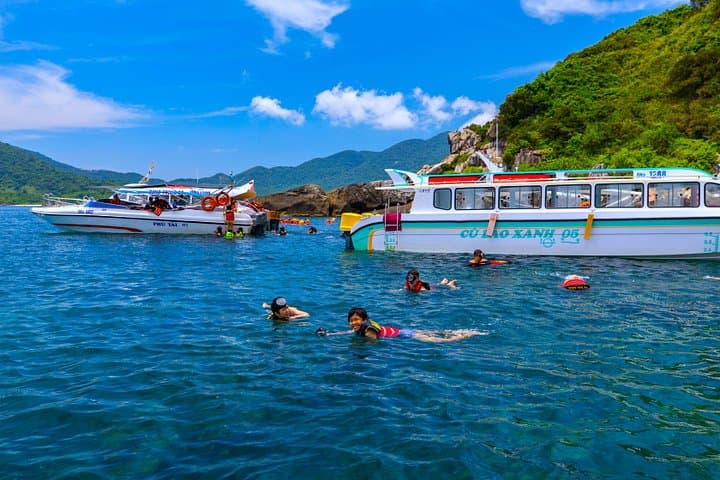
You step onto the speedboat at Cua Dai as the coastline of Hoi An slides away—limestone shoulders of the Cham archipelago rise from blue-green water, and the sea immediately begins to test you with currents and color.
You step onto the speedboat at Cua Dai as the coastline of Hoi An slides away—limestone shoulders of the Cham archipelago rise from blue-green water, and the sea immediately begins to test you with currents and color.
These eight islets make up Cu Lao Cham Marine Park, a UNESCO Biosphere Reserve where granite outcrops, white sand beaches and coral gardens record millennia of reef growth and coastal trade. Cham fishermen have worked these waters for generations; you’ll see simple wooden boats and small temple sites like Hai Tang Pagoda and Ong Temple, reminders of the islands’ cultural threads tied to fishing and pilgrimage.
Geologically the islands are granite and metamorphic rock pushed up and weathered into steep shorelines; reefs cling in the calmer bays. In the shallows, parrotfish and butterflyfish move like living brushstrokes across coral bommies. The sea’s personality changes fast—calm, then brief chop—so timing matters.
Practical guidance: expect a 6–7 hour outing with hotel pickup in Hoi An, a 30–40 minute speedboat run, and guided snorkeling sessions (equipment provided). Bring reef-safe sunscreen, a swim change, and a light towel; shoes for rocky temple approaches help. If you’re prone to seasickness, medicate before boarding and choose a seat near the middle of the boat. Lunch is typically grilled seafood on the beach; vegetarian options are limited, so flag dietary needs in advance. Plan the trip between March and August for the calmest water and best visibility. Respect no-take zones and avoid standing on coral—the islands are fragile but resilient if visitors act responsibly.