THE ADVENTURE COLLECTIVE® · Independent discovery and booking for outdoor travel

Spend a day snorkeling the Cham Islands from Hoi An or Da Nang: clear water, protected reefs, and cultural stops at pagodas and fishing villages. This practical guide covers what to expect, how to prepare, and local insights to make the most of the trip.
Spend a day snorkeling the Cham Islands from Hoi An or Da Nang: clear water, protected reefs, and cultural stops at pagodas and fishing villages. This practical guide covers what to expect, how to prepare, and local insights to make the most of the trip.
You step off the speedboat and the sea pulls you into sharp blue—water so clear you can read the reef like a map. Lang Beach opens with white sand, and beyond, coral gardens ripple under the surface like slow-moving fields.
Verified experiences and guided adventures in the surrounding area.
Operated by Authentic HALONG · Hoi An, Quang Nam
You step off the speedboat and the sea pulls you into sharp blue—water so clear you can read the reef like a map. Lang Beach opens with white sand, and beyond, coral gardens ripple under the surface like slow-moving fields.
The Cham archipelago sits a few nautical miles off Cua Dai, historically a waypoint for trading vessels between China, Champa and later Vietnamese kingdoms. The islands are volcanic in origin; weathered basalt and limestone buttress small beaches and a few scattered fishing hamlets that still follow traditional methods.
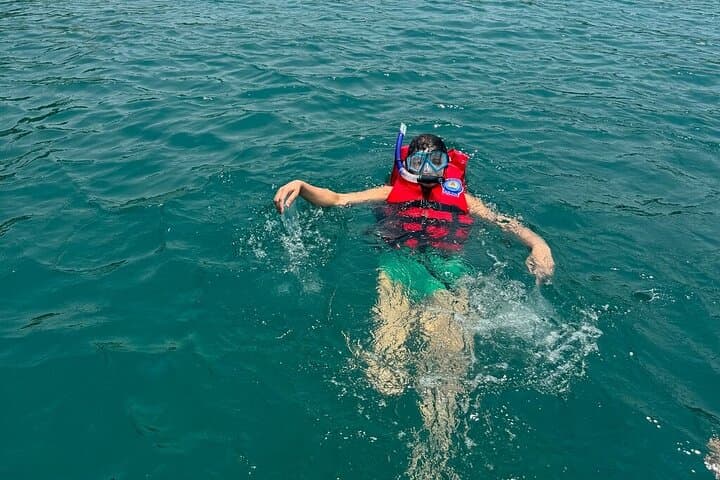
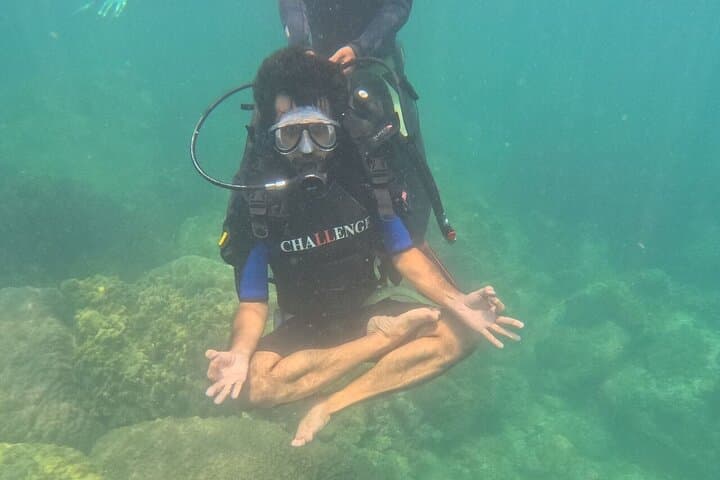
On this full-day snorkeling run from Hoi An or Da Nang you’ll sample a protected marine area: patches of stony coral, shoals of parrotfish and occasional reef rays. Cultural stops are compact but telling—the Boat Shelter and Hai Tang Pagoda speak to local life tied to the sea, while the traditional fishing village shows how subsistence fishing shapes the islands’ rhythm.
Practical guidance: expect roughly six hours from hotel pickup to return; plan for periods of sun and wind on the crossing. Use reef‑safe sunscreen, wear water shoes for rocky shores, and bring a lightweight cover for wind on the boat. Guided snorkeling areas are shallow (typically 1–6 m) and suitable for beginners, but currents can strengthen near channels—heed your guide.
Timing matters: mornings usually offer calmer water and clearer visibility. Keep waste packed out—this marine reserve depends on low-impact visits. Leave space for a late lunch of fresh seafood at Bai Ong or Bai Chong, then let the sea ferry you back with salt on your skin and small, clear memories of the reef.
easy.
6 hours.
Suitable for basic fitness; able to swim short distances and enter/exit boats without assistance.
Expect about a six-hour excursion including hotel pickup, boat transfers, snorkel time, lunch, and returns to your hotel.
Yes—most snorkeling sites around Cham Islands are shallow and guide-supervised; basic swimming ability is recommended.
Limited facilities exist at main beaches and village areas; the tour typically includes a seafood lunch at Bai Ong or Bai Chong beach.
No—visibility and sightings depend on season, weather and tides; the marine protected status improves long-term health but encounters vary day to day.
The Cham archipelago was part of historic maritime routes and reflects layers of Cham and Vietnamese coastal culture, with small pagodas and fishing settlements tied to centuries of trade.
Cu Lao Cham is a designated marine protected area; visitors are urged to avoid touching coral, use reef-safe products, and pack out all trash to support recovery and biodiversity.
Authentic HALONG operates guided outdoor trips and adventures with an emphasis on safety, stewardship, and memorable experiences.
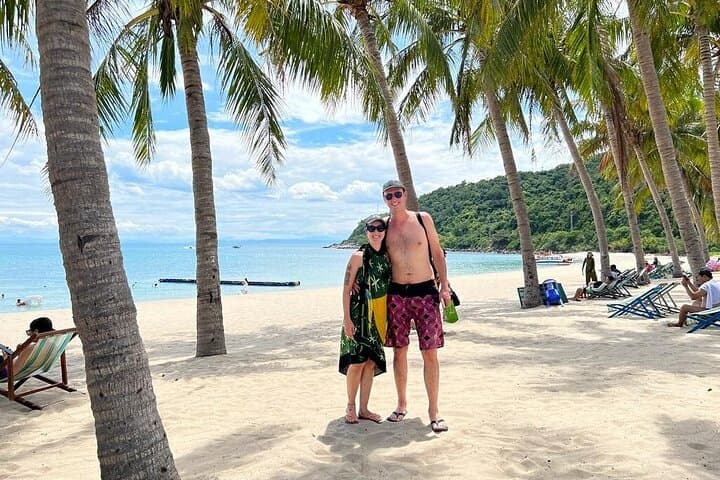
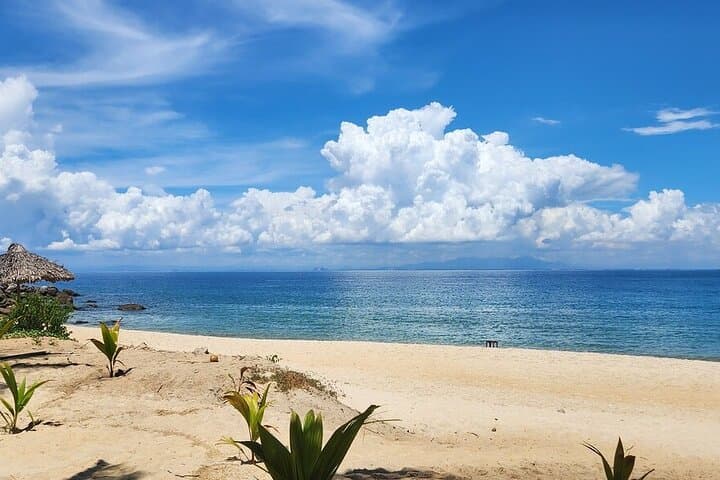
You step off the speedboat and the sea pulls you into sharp blue—water so clear you can read the reef like a map. Lang Beach opens with white sand, and beyond, coral gardens ripple under the surface like slow-moving fields.
You step off the speedboat and the sea pulls you into sharp blue—water so clear you can read the reef like a map. Lang Beach opens with white sand, and beyond, coral gardens ripple under the surface like slow-moving fields.
The Cham archipelago sits a few nautical miles off Cua Dai, historically a waypoint for trading vessels between China, Champa and later Vietnamese kingdoms. The islands are volcanic in origin; weathered basalt and limestone buttress small beaches and a few scattered fishing hamlets that still follow traditional methods.
On this full-day snorkeling run from Hoi An or Da Nang you’ll sample a protected marine area: patches of stony coral, shoals of parrotfish and occasional reef rays. Cultural stops are compact but telling—the Boat Shelter and Hai Tang Pagoda speak to local life tied to the sea, while the traditional fishing village shows how subsistence fishing shapes the islands’ rhythm.
Practical guidance: expect roughly six hours from hotel pickup to return; plan for periods of sun and wind on the crossing. Use reef‑safe sunscreen, wear water shoes for rocky shores, and bring a lightweight cover for wind on the boat. Guided snorkeling areas are shallow (typically 1–6 m) and suitable for beginners, but currents can strengthen near channels—heed your guide.
Timing matters: mornings usually offer calmer water and clearer visibility. Keep waste packed out—this marine reserve depends on low-impact visits. Leave space for a late lunch of fresh seafood at Bai Ong or Bai Chong, then let the sea ferry you back with salt on your skin and small, clear memories of the reef.