THE ADVENTURE COLLECTIVE® · Independent discovery and booking for outdoor travel

Cruise from Hoi An to the Cham Islands for a day of vibrant coral snorkeling, beach time, and a seaside seafood lunch. This full-day escape combines guided snorkeling with relaxed shore breaks and a glimpse into the islands' fishing culture.
Cruise from Hoi An to the Cham Islands for a day of vibrant coral snorkeling, beach time, and a seaside seafood lunch. This full-day escape combines guided snorkeling with relaxed shore breaks and a glimpse into the islands' fishing culture.
The boat slips from Cua Dai as the morning light paints the South China Sea a raw turquoise; wind teases hair and salt sprays the deck, daring you into the water ahead.
Verified experiences and guided adventures in the surrounding area.
Operated by Thuong Xuan Travel · Hoi An, Quang Nam
The boat slips from Cua Dai as the morning light paints the South China Sea a raw turquoise; wind teases hair and salt sprays the deck, daring you into the water ahead.
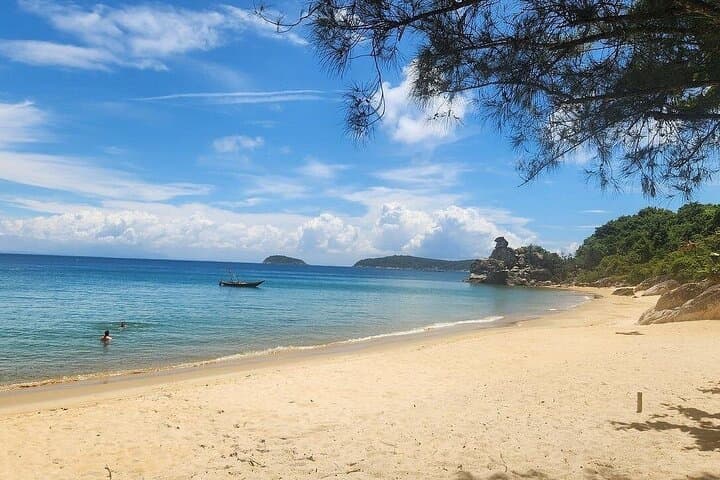
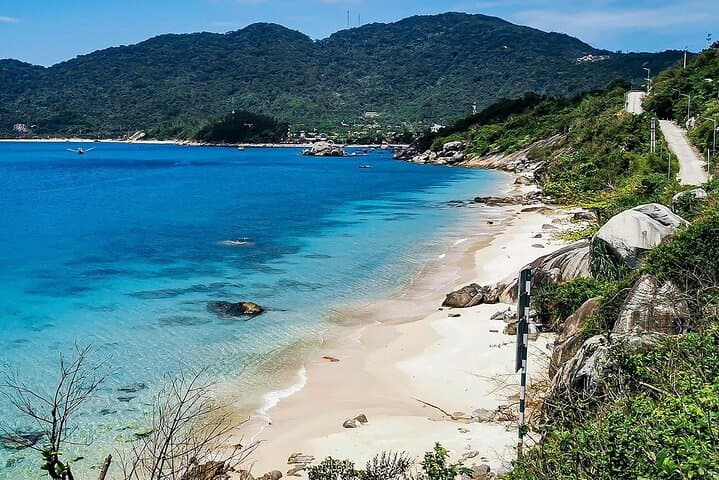
By mid-morning the Cham Islands rise from the horizon — rocky outcrops ringed by white sand and reef — and the first stop is Lang (Bai Lang), where snorkelers step into waters alive with color. The islands are part of the Cu Lao Cham Marine Protected Area, a cluster of small islands that sheltered local fishing communities for centuries and still host the 18th-century Hai Tang Pagoda and a modest traditional fishing village.
Geologically the islands are granite and volcanic remnant, their slopes dropping quickly to coral gardens; currents here shape the reef and concentrate marine life. Culture here is practical and sea-shaped: fishermen haul nets, families cook fresh seafood under simple awnings, and conservation regulations limit anchoring and collection.
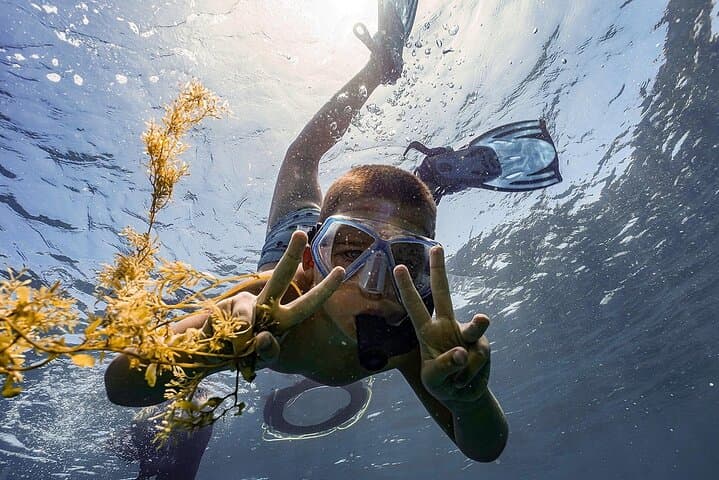
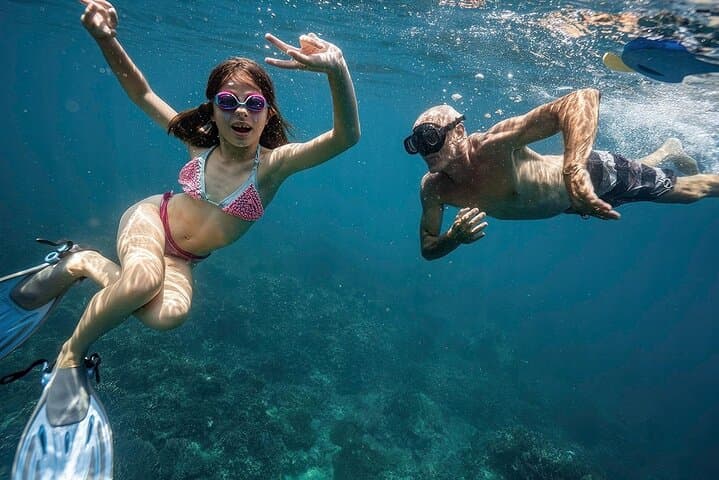
Practically, a typical day includes hotel pickup in Hoi An, a speedboat ride to the islands, two guided snorkel sessions with provided gear, a seafood lunch near the shore, and time to relax on Bai Chong or explore the boat shelter.
Plan for sun, short swims from the boat, and variable currents near reef edges. Use reef-safe sunscreen, wear water shoes for rocky shore entries, and expect basic facilities on the islands. Timing your visit for morning light gives calmer seas and clearer visibility, while afternoons are better for a lazy beach stretch before the return run to Hoi An.
easy.
6 hours.
Light fitness; able to board small boats, do brief swims/snorkels and walk on uneven sand and rocks.
The transfer from Cua Dai Harbour to Cham Islands typically takes 20–40 minutes by speedboat depending on sea conditions.
No — tours are suitable for beginners; guides point out shallow reef areas and provide life vests and basic instruction.
Yes — a seafood lunch and snorkeling equipment are included; bring any personal snorkel gear if preferred.
Yes — many operators welcome children; ensure life jackets fit and note that younger kids may be sensitive to boat motion.
Cu Lao Cham has long been a maritime stop for Cham and Vietnamese sailors; its pagoda and boat shelter reflect centuries of coastal culture.
The islands lie within a marine protected area—follow guides' instructions, avoid touching coral, and use reef-safe products to minimize impact.
Thuong Xuan Travel operates guided outdoor trips and adventures with an emphasis on safety, stewardship, and memorable experiences.
The boat slips from Cua Dai as the morning light paints the South China Sea a raw turquoise; wind teases hair and salt sprays the deck, daring you into the water ahead.
The boat slips from Cua Dai as the morning light paints the South China Sea a raw turquoise; wind teases hair and salt sprays the deck, daring you into the water ahead.
By mid-morning the Cham Islands rise from the horizon — rocky outcrops ringed by white sand and reef — and the first stop is Lang (Bai Lang), where snorkelers step into waters alive with color. The islands are part of the Cu Lao Cham Marine Protected Area, a cluster of small islands that sheltered local fishing communities for centuries and still host the 18th-century Hai Tang Pagoda and a modest traditional fishing village.
Geologically the islands are granite and volcanic remnant, their slopes dropping quickly to coral gardens; currents here shape the reef and concentrate marine life. Culture here is practical and sea-shaped: fishermen haul nets, families cook fresh seafood under simple awnings, and conservation regulations limit anchoring and collection.
Practically, a typical day includes hotel pickup in Hoi An, a speedboat ride to the islands, two guided snorkel sessions with provided gear, a seafood lunch near the shore, and time to relax on Bai Chong or explore the boat shelter.
Plan for sun, short swims from the boat, and variable currents near reef edges. Use reef-safe sunscreen, wear water shoes for rocky shore entries, and expect basic facilities on the islands. Timing your visit for morning light gives calmer seas and clearer visibility, while afternoons are better for a lazy beach stretch before the return run to Hoi An.