THE ADVENTURE COLLECTIVE® · Independent discovery and booking for outdoor travel

Lift off from Cua Dai on a brisk speedboat ride to Cham Island for tropical beaches, a protected reef and a local seafood market. This half-day trip packs snorkeling, culture and easy beach time into a 5–6 hour excursion from Hoi An.
Lift off from Cua Dai on a brisk speedboat ride to Cham Island for tropical beaches, a protected reef and a local seafood market. This half-day trip packs snorkeling, culture and easy beach time into a 5–6 hour excursion from Hoi An.
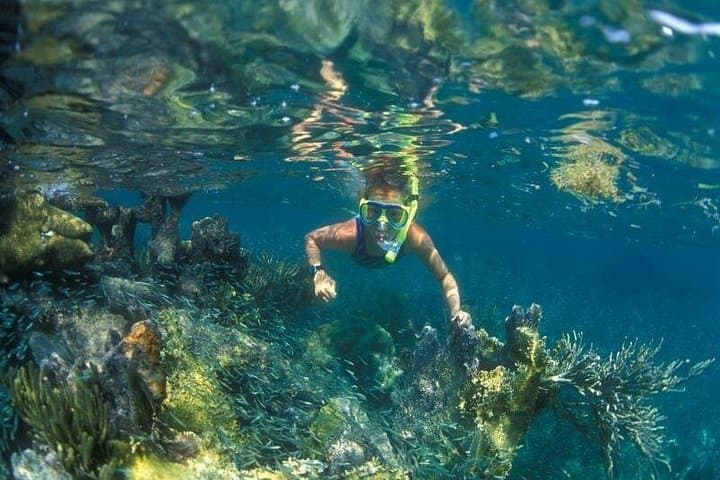
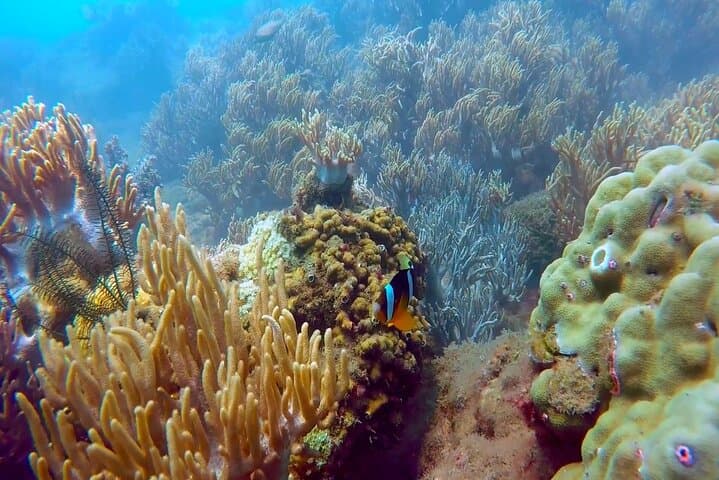
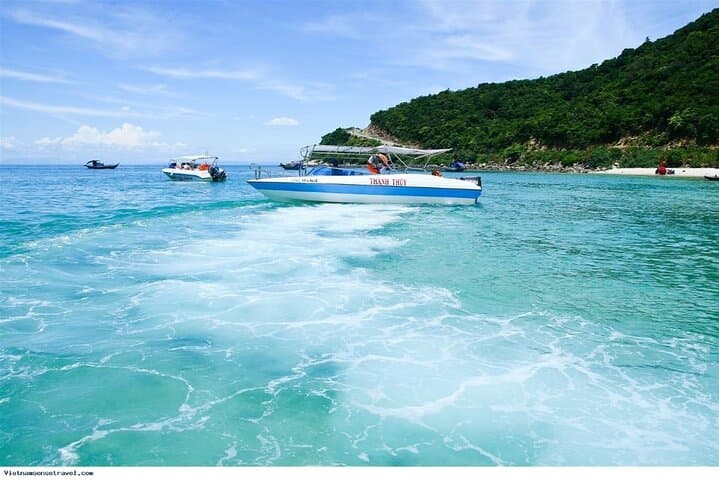
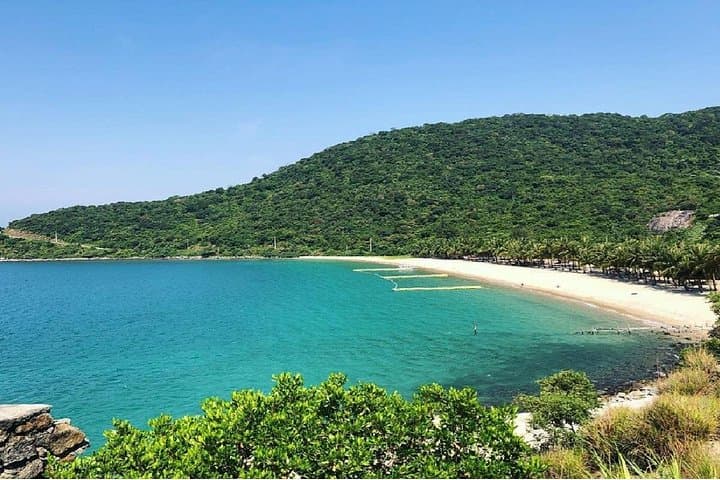
The speedboat lifts, spray tasting of salt and diesel, and the mainland recedes into a horizon of blue. In an hour you’ll be at Bai Lang Pier, where coconut-fringed sand and the nervous chatter of a fishing village replace Hoi An’s lantern-lit streets. The sea here dares you: shallow bays that invite quick swims and fringing reefs that hold slow, colorful life.
Verified experiences and guided adventures in the surrounding area.
Operated by Must-See Vietnam Travel · Hoi An, Quang Nam
The speedboat lifts, spray tasting of salt and diesel, and the mainland recedes into a horizon of blue. In an hour you’ll be at Bai Lang Pier, where coconut-fringed sand and the nervous chatter of a fishing village replace Hoi An’s lantern-lit streets. The sea here dares you: shallow bays that invite quick swims and fringing reefs that hold slow, colorful life.
Cham Islands sit a short 8-nautical-mile run off Cua Dai beach and form part of a UNESCO-listed biosphere reserve. Human history on the islands shows Sa Huynh-era artifacts and long-standing Cham fishing traditions; pagodas and a tiny museum record that continuity. Geologically the islets combine rocky outcrops and sandy coves ringed by living coral—fragile ecosystem, resilient communities. At Tan Hiep market locals sell freshly caught seafood and mountain vegetables, a direct line from water to plate.
Practically: expect a 25–30 minute speedboat crossing, roughly 45 minutes of guided snorkeling among shallow reefs, plus time for a pagoda visit and market shopping. Water clarity is best April–November; December–March often brings low, murky seas. Bring reef-safe sunscreen, a towel, and cash for market purchases. Snorkel gear and life jackets are provided but a personal mask fits better. Wear water shoes for rocky piers, and leave coral untouched—its slow growth doesn’t forgive a careless hand.
This trip is an accessible slice of Vietnam’s marine side: quick, social, and centered on snorkeling, local flavors, and a coastal culture that still moves at the tide’s pace.
easy.
5–6 hours.
Suitable for most fitness levels; should be comfortable getting in/out of a boat and able to swim short distances with a life jacket.
The motorboat crossing is about 20–30 minutes depending on sea conditions; plan for a little extra time for boarding and check-in.
Yes—snorkel, mask and life jackets are supplied, though many visitors prefer to bring a personal mask for fit and hygiene.
Yes—life jackets are provided and guides supervise snorkeling, but children should be accompanied and non-swimmers should remain in shallow areas or on the boat if uncomfortable.
The operator may cancel for rough seas or low visibility; the tour offers full refunds if canceled 24 hours before departure or due to bad weather per the booking policy.
Cham Islands are part of a biosphere reserve with Sa Huynh archaeological finds and a long fishing tradition tied to Cham and Vietnamese coastal communities.
The area is a protected marine conservation zone; visitors should avoid anchoring on reefs, use reef-safe products, and support local guides who follow sustainable practices.
Must-See Vietnam Travel operates guided outdoor trips and adventures with an emphasis on safety, stewardship, and memorable experiences.
The speedboat lifts, spray tasting of salt and diesel, and the mainland recedes into a horizon of blue. In an hour you’ll be at Bai Lang Pier, where coconut-fringed sand and the nervous chatter of a fishing village replace Hoi An’s lantern-lit streets. The sea here dares you: shallow bays that invite quick swims and fringing reefs that hold slow, colorful life.
The speedboat lifts, spray tasting of salt and diesel, and the mainland recedes into a horizon of blue. In an hour you’ll be at Bai Lang Pier, where coconut-fringed sand and the nervous chatter of a fishing village replace Hoi An’s lantern-lit streets. The sea here dares you: shallow bays that invite quick swims and fringing reefs that hold slow, colorful life.
Cham Islands sit a short 8-nautical-mile run off Cua Dai beach and form part of a UNESCO-listed biosphere reserve. Human history on the islands shows Sa Huynh-era artifacts and long-standing Cham fishing traditions; pagodas and a tiny museum record that continuity. Geologically the islets combine rocky outcrops and sandy coves ringed by living coral—fragile ecosystem, resilient communities. At Tan Hiep market locals sell freshly caught seafood and mountain vegetables, a direct line from water to plate.
Practically: expect a 25–30 minute speedboat crossing, roughly 45 minutes of guided snorkeling among shallow reefs, plus time for a pagoda visit and market shopping. Water clarity is best April–November; December–March often brings low, murky seas. Bring reef-safe sunscreen, a towel, and cash for market purchases. Snorkel gear and life jackets are provided but a personal mask fits better. Wear water shoes for rocky piers, and leave coral untouched—its slow growth doesn’t forgive a careless hand.
This trip is an accessible slice of Vietnam’s marine side: quick, social, and centered on snorkeling, local flavors, and a coastal culture that still moves at the tide’s pace.