THE ADVENTURE COLLECTIVE® · Independent discovery and booking for outdoor travel

Spend a half-day escaping Hoi An or Da Nang for Cu Lao Cham’s clear reefs, historic pagoda, and quiet fishing village. This guided speedboat tour combines snorkeling in a marine protected area with beach time and a seafood lunch—ideal for travelers short on time but eager for coastal adventure.
Spend a half-day escaping Hoi An or Da Nang for Cu Lao Cham’s clear reefs, historic pagoda, and quiet fishing village. This guided speedboat tour combines snorkeling in a marine protected area with beach time and a seafood lunch—ideal for travelers short on time but eager for coastal adventure.
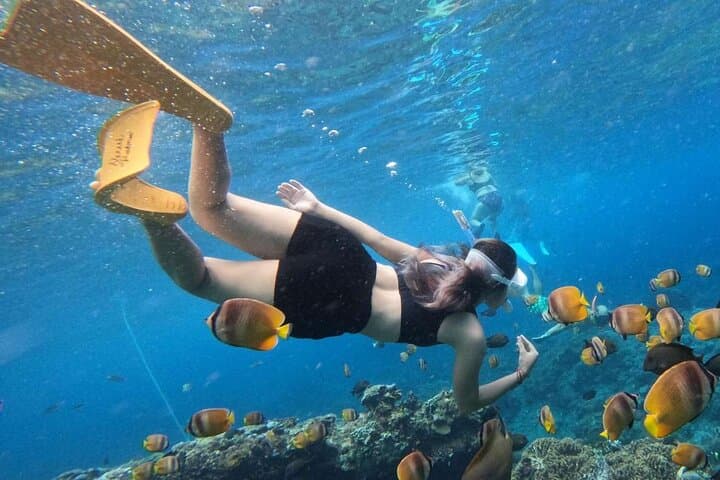
A speedboat thumps away from Cua Dai, spray tasting of salt and diesel, and the coast of central Vietnam slips into a low, green horizon. By the time the hull eases into Cham Island’s bays, coral gardens are visible beneath glassy water and fishing boats rock like weathered toys at the village pier.
Verified experiences and guided adventures in the surrounding area.
Operated by Authentuc PU LUONG · Hoi An, Quang Nam
A speedboat thumps away from Cua Dai, spray tasting of salt and diesel, and the coast of central Vietnam slips into a low, green horizon. By the time the hull eases into Cham Island’s bays, coral gardens are visible beneath glassy water and fishing boats rock like weathered toys at the village pier.
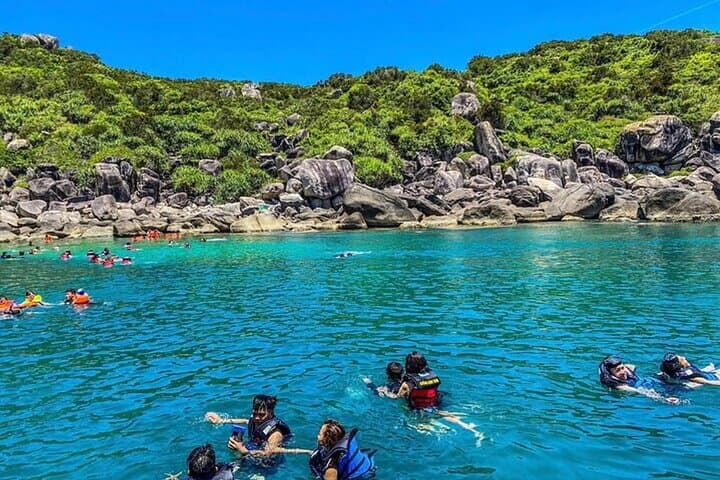
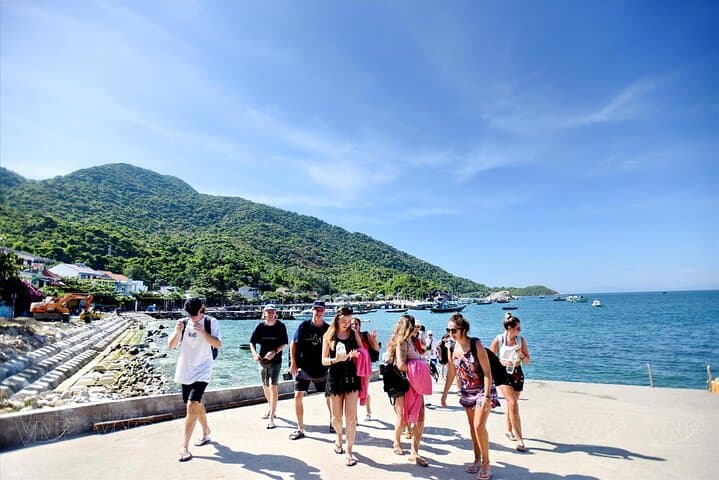
Cu Lao Cham was a waypoint of the Cham kingdom and later a fishing community; today it’s a designated marine protected area and UNESCO Biosphere Reserve. Granite outcrops and volcanic seabeds shape the islands, while sandy fingers—Lang Beach, Bai Ong, Bai Chong—catch afternoon light. Hai Tang Pagoda stands watch on a low ridge, and the boat shelter and wooden docks give a quick window into island life.
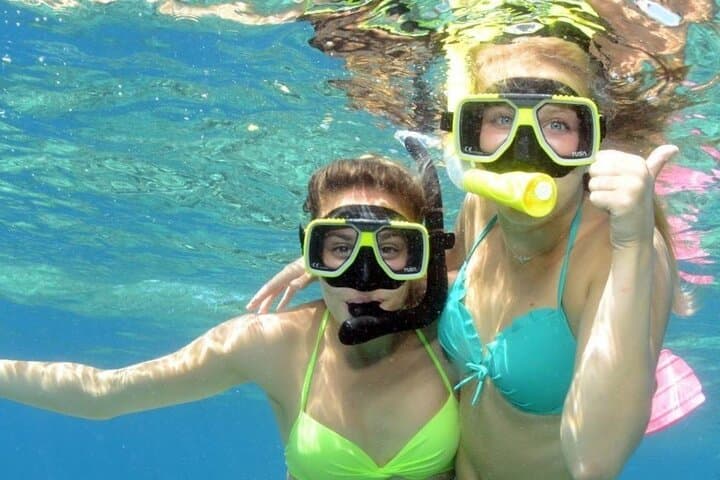
Practically, this is a half-day outing: hotel pickup from Hoi An or Da Nang, a 20–40 minute speedboat, guided snorkeling in shallow reefs, a seafood lunch, and time to walk the village. Expect uneven coral, occasional currents, and reef topography that rewards a snorkel mask more than bravado. The tour suits travelers comfortable in open water; non-swimmers can float near shore with a life vest.
Plan for sun, salt, and simple logistics—pack reef-safe sunscreen, a lightweight towel, cash for local stalls, and a small dry bag. Morning departures cut the wind; late afternoons bring softer light for photos. Treat the reef gently: look, don’t touch, and leave only footprints on the sand.
easy.
6 hours.
Light activity level; comfortable standing, walking short uneven paths, and basic swimming ability for snorkeling.
Yes—most tours include pickup from Hoi An or Da Nang hotels; confirm your pickup point when booking.
Yes—life vests and guide assistance are normally provided, and snorkeling takes place in shallow reef areas suitable for novices.
A seafood lunch is included in the itinerary; bring snacks only if you have dietary restrictions and notify the operator in advance.
Operators may alter or cancel trips in poor sea conditions; check the cancellation policy and reschedule if sea state is unsafe.
Cu Lao Cham was part of the Champa trading network and is now recognized as a UNESCO Biosphere Reserve for its cultural and marine values.
The area is a marine protected zone—avoid touching coral, use reef-safe products, and follow guides’ instructions to minimize impact.
Authentuc PU LUONG operates guided outdoor trips and adventures with an emphasis on safety, stewardship, and memorable experiences.
A speedboat thumps away from Cua Dai, spray tasting of salt and diesel, and the coast of central Vietnam slips into a low, green horizon. By the time the hull eases into Cham Island’s bays, coral gardens are visible beneath glassy water and fishing boats rock like weathered toys at the village pier.
A speedboat thumps away from Cua Dai, spray tasting of salt and diesel, and the coast of central Vietnam slips into a low, green horizon. By the time the hull eases into Cham Island’s bays, coral gardens are visible beneath glassy water and fishing boats rock like weathered toys at the village pier.
Cu Lao Cham was a waypoint of the Cham kingdom and later a fishing community; today it’s a designated marine protected area and UNESCO Biosphere Reserve. Granite outcrops and volcanic seabeds shape the islands, while sandy fingers—Lang Beach, Bai Ong, Bai Chong—catch afternoon light. Hai Tang Pagoda stands watch on a low ridge, and the boat shelter and wooden docks give a quick window into island life.
Practically, this is a half-day outing: hotel pickup from Hoi An or Da Nang, a 20–40 minute speedboat, guided snorkeling in shallow reefs, a seafood lunch, and time to walk the village. Expect uneven coral, occasional currents, and reef topography that rewards a snorkel mask more than bravado. The tour suits travelers comfortable in open water; non-swimmers can float near shore with a life vest.
Plan for sun, salt, and simple logistics—pack reef-safe sunscreen, a lightweight towel, cash for local stalls, and a small dry bag. Morning departures cut the wind; late afternoons bring softer light for photos. Treat the reef gently: look, don’t touch, and leave only footprints on the sand.