THE ADVENTURE COLLECTIVE® · Independent discovery and booking for outdoor travel

Speed across to Cham Island for clear-water snorkeling, quiet white-sand beaches and a taste of coastal Vietnamese village life. This private day trip from Hoi An covers reef gardens, cultural sites and a fresh seafood lunch—ideal for travellers seeking easy, impactful marine experiences.
Speed across to Cham Island for clear-water snorkeling, quiet white-sand beaches and a taste of coastal Vietnamese village life. This private day trip from Hoi An covers reef gardens, cultural sites and a fresh seafood lunch—ideal for travellers seeking easy, impactful marine experiences.
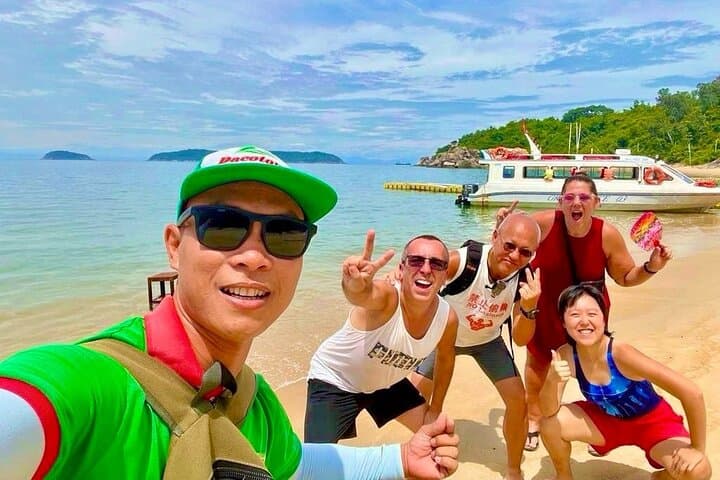
The engine thumps as the speedboat cuts away from Cua Dai; salt spray dares you to blink and the shoreline of Hoi An shrinks into woven roofs and palm shadows. In less than an hour the island’s rocky ridges and white sands appear—Cham Island’s reefs waiting below the clear surface, fish weaving through coral like commuters in a busy street.
Verified experiences and guided adventures in the surrounding area.
Operated by Dacotours Co.,Ltd · Hoi An, Quang Nam
The engine thumps as the speedboat cuts away from Cua Dai; salt spray dares you to blink and the shoreline of Hoi An shrinks into woven roofs and palm shadows. In less than an hour the island’s rocky ridges and white sands appear—Cham Island’s reefs waiting below the clear surface, fish weaving through coral like commuters in a busy street.
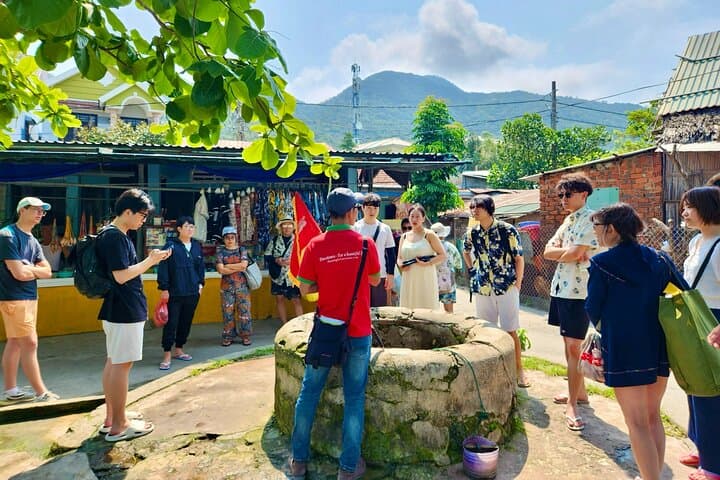
Cham (Cu Lao Cham) sits off Vietnam’s central coast and is part of a UNESCO Biosphere Reserve. The islands are remnants of ancient volcanic and coral activity, their granite outcrops and sandy bays shaped by sea and monsoon. The area carries Cham cultural echoes—a Champa-era well and small pagodas mark a layered human history tied to fishing and sea trade.
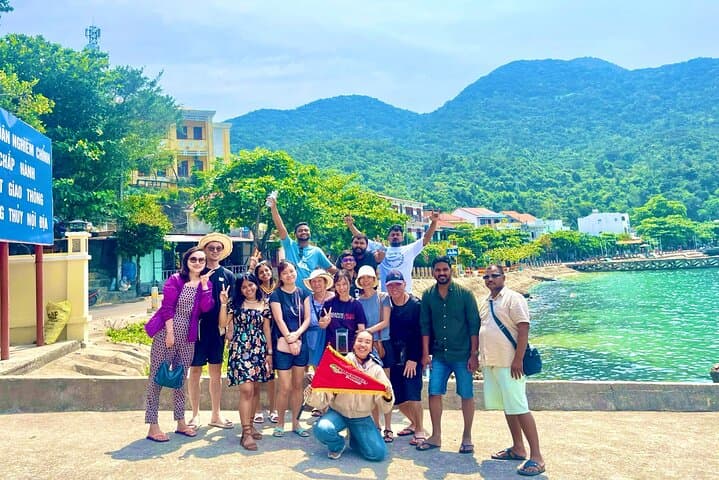
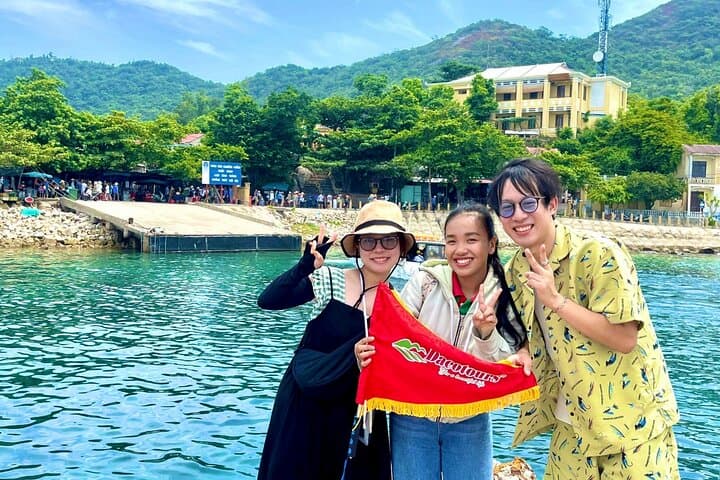
On a private day trip, expect guided snorkel stops at shallow coral gardens, time on Xep Beach for swimming and hammock rest, and a visit to local fishing communities and a stone-carving village en route. Guides explain reef health, local livelihoods and the story of marine protection areas while pointing out resident wildlife—monkeys in the trees and schools of parrotfish below.
Practicalities: tours run 6–8 hours, include snorkel gear, bottled water and a seafood lunch, and return transfers to Hoi An/Da Nang. Prepare reef‑safe sunscreen, a waterproof phone case and a light change of clothes. Seas can be choppy—those prone to motion sickness should medicate in advance. Respect protected zones: don’t stand on coral, take only photos, and carry out any trash. With basic preparation, the trip combines accessible snorkeling with cultural stops, making Cham a succinct slice of Vietnam’s coastal life.
easy.
6–8 hours.
Suitable for most fitness levels; basic swimming ability recommended for snorkeling
High‑speed boats typically cover the 10 nautical miles in around 20–30 minutes depending on sea conditions.
No; guides provide basic instruction and life jackets, but a comfort in shallow water and basic swimming ability are recommended.
Yes—children can join but must be supervised; infants should sit on laps during transfers and operators often require accompanying adults.
Tours may be rescheduled or refunded if the operator cancels for safety; check the cancellation policy and local forecasts before your date.
Cham Island formed part of the Champa maritime culture and today is protected as a UNESCO Biosphere Reserve for its marine biodiversity.
The marine protected area limits fishing and anchor damage; visitors should use reef‑safe products, avoid touching coral and take all waste back to the mainland.
Dacotours Co.,Ltd operates guided outdoor trips and adventures with an emphasis on safety, stewardship, and memorable experiences.
The engine thumps as the speedboat cuts away from Cua Dai; salt spray dares you to blink and the shoreline of Hoi An shrinks into woven roofs and palm shadows. In less than an hour the island’s rocky ridges and white sands appear—Cham Island’s reefs waiting below the clear surface, fish weaving through coral like commuters in a busy street.
The engine thumps as the speedboat cuts away from Cua Dai; salt spray dares you to blink and the shoreline of Hoi An shrinks into woven roofs and palm shadows. In less than an hour the island’s rocky ridges and white sands appear—Cham Island’s reefs waiting below the clear surface, fish weaving through coral like commuters in a busy street.
Cham (Cu Lao Cham) sits off Vietnam’s central coast and is part of a UNESCO Biosphere Reserve. The islands are remnants of ancient volcanic and coral activity, their granite outcrops and sandy bays shaped by sea and monsoon. The area carries Cham cultural echoes—a Champa-era well and small pagodas mark a layered human history tied to fishing and sea trade.
On a private day trip, expect guided snorkel stops at shallow coral gardens, time on Xep Beach for swimming and hammock rest, and a visit to local fishing communities and a stone-carving village en route. Guides explain reef health, local livelihoods and the story of marine protection areas while pointing out resident wildlife—monkeys in the trees and schools of parrotfish below.
Practicalities: tours run 6–8 hours, include snorkel gear, bottled water and a seafood lunch, and return transfers to Hoi An/Da Nang. Prepare reef‑safe sunscreen, a waterproof phone case and a light change of clothes. Seas can be choppy—those prone to motion sickness should medicate in advance. Respect protected zones: don’t stand on coral, take only photos, and carry out any trash. With basic preparation, the trip combines accessible snorkeling with cultural stops, making Cham a succinct slice of Vietnam’s coastal life.