THE ADVENTURE COLLECTIVE® · Independent discovery and booking for outdoor travel

A day trip to Cu Lao Cham delivers turquoise water, accessible reef snorkeling, and a peek into a working fishing village just off Hoi An. This guide covers what to expect, local insight, and practical tips to make the most of the speedboat day trip.
A day trip to Cu Lao Cham delivers turquoise water, accessible reef snorkeling, and a peek into a working fishing village just off Hoi An. This guide covers what to expect, local insight, and practical tips to make the most of the speedboat day trip.
A short speedboat run from Cua Dai Harbor pushes the mainland behind you and the sea opens—blue shallow shelves, reef tops glinting, and the main island of Cu Lao Cham rising low against the sky. The boat hums; guides point to tule-green water where corals cast shadows and small fish thread between branches. On arrival at Lang Beach the island’s fishing village offers a quiet contrast: wooden boats, hamlets clinging to the shoreline, and the low bell of Hai Tang Pagoda on a ridge.
Verified experiences and guided adventures in the surrounding area.
Operated by Daisy Tourist · Hoi An, Quang Nam
A short speedboat run from Cua Dai Harbor pushes the mainland behind you and the sea opens—blue shallow shelves, reef tops glinting, and the main island of Cu Lao Cham rising low against the sky. The boat hums; guides point to tule-green water where corals cast shadows and small fish thread between branches. On arrival at Lang Beach the island’s fishing village offers a quiet contrast: wooden boats, hamlets clinging to the shoreline, and the low bell of Hai Tang Pagoda on a ridge.
Cu Lao Cham is part of the Cu Lao Cham-Hoi An Biosphere Reserve, a living archive of coastal geology and centuries of maritime trade. The islands’ limestone shelves and offshore coral gardens formed from both reef-building and sediment deposition; the village culture still leans on small-scale fishing and seafood markets. Expect warm water, pockets of vibrant coral (some recovering, some fragile), and the occasional turtle or schooling trevally near deeper ledges.
Practically, this is a full-day outing: early pickup from Da Nang or Hoi An, a 30–40 minute speedboat each way, guided snorkel sessions, and a seafood lunch on the island. Bring reef-safe sunscreen, a snug mask, and a waterproof bag; wear water shoes for rocky shore entries. Time your trip for morning crossings when winds are lighter and visibility is best. Respect local rules—no touching or standing on coral—and carry some cash for small purchases. With basic swim comfort and a light sense of adventure, the Cham Islands make a compact, accessible marine day trip that rewards observation more than adrenaline.
easy.
6 hours.
Light fitness—able to board a speedboat, walk short uneven paths, and swim or float while snorkeling.
Expect roughly 30–40 minutes each way on a speedboat, depending on sea conditions and the specific departure point.
Yes—standard snorkel sets are typically provided, but many visitors bring their own mask for the best fit and visibility.
Yes: guides stick to sheltered reef areas for beginners; basic swimming comfort and a life vest are usually sufficient.
Operators monitor sea conditions; tours may be rescheduled or canceled if crossings are unsafe—check the cancellation policy before booking.
Cu Lao Cham has long been a maritime stop for regional trade and was designated a UNESCO Biosphere Reserve for its mix of marine ecosystems and cultural heritage.
The marine reserve status restricts destructive fishing and encourages reef recovery—visitors should avoid touching coral, take all trash back to shore, and use reef‑safe products.
Daisy Tourist operates guided outdoor trips and adventures with an emphasis on safety, stewardship, and memorable experiences.

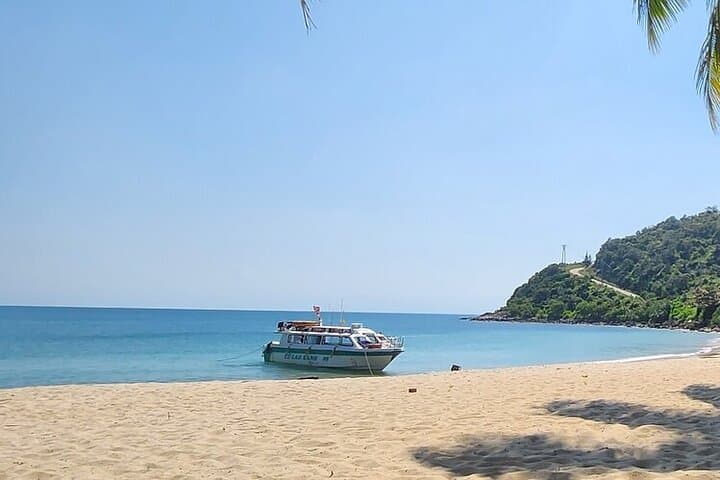
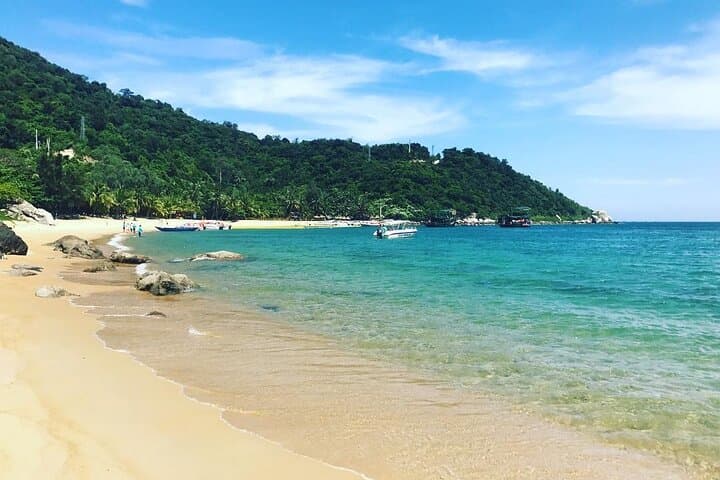
A short speedboat run from Cua Dai Harbor pushes the mainland behind you and the sea opens—blue shallow shelves, reef tops glinting, and the main island of Cu Lao Cham rising low against the sky. The boat hums; guides point to tule-green water where corals cast shadows and small fish thread between branches. On arrival at Lang Beach the island’s fishing village offers a quiet contrast: wooden boats, hamlets clinging to the shoreline, and the low bell of Hai Tang Pagoda on a ridge.
A short speedboat run from Cua Dai Harbor pushes the mainland behind you and the sea opens—blue shallow shelves, reef tops glinting, and the main island of Cu Lao Cham rising low against the sky. The boat hums; guides point to tule-green water where corals cast shadows and small fish thread between branches. On arrival at Lang Beach the island’s fishing village offers a quiet contrast: wooden boats, hamlets clinging to the shoreline, and the low bell of Hai Tang Pagoda on a ridge.
Cu Lao Cham is part of the Cu Lao Cham-Hoi An Biosphere Reserve, a living archive of coastal geology and centuries of maritime trade. The islands’ limestone shelves and offshore coral gardens formed from both reef-building and sediment deposition; the village culture still leans on small-scale fishing and seafood markets. Expect warm water, pockets of vibrant coral (some recovering, some fragile), and the occasional turtle or schooling trevally near deeper ledges.
Practically, this is a full-day outing: early pickup from Da Nang or Hoi An, a 30–40 minute speedboat each way, guided snorkel sessions, and a seafood lunch on the island. Bring reef-safe sunscreen, a snug mask, and a waterproof bag; wear water shoes for rocky shore entries. Time your trip for morning crossings when winds are lighter and visibility is best. Respect local rules—no touching or standing on coral—and carry some cash for small purchases. With basic swim comfort and a light sense of adventure, the Cham Islands make a compact, accessible marine day trip that rewards observation more than adrenaline.