THE ADVENTURE COLLECTIVE® · Independent discovery and booking for outdoor travel

Spend a full day paddling the historic Chagres River to an Embera village—combining moderate river kayaking with cultural performances, local lunch, and rainforest wildlife viewing. Perfect for travelers based in Panama City who want active cultural immersion.
Spend a full day paddling the historic Chagres River to an Embera village—combining moderate river kayaking with cultural performances, local lunch, and rainforest wildlife viewing. Perfect for travelers based in Panama City who want active cultural immersion.
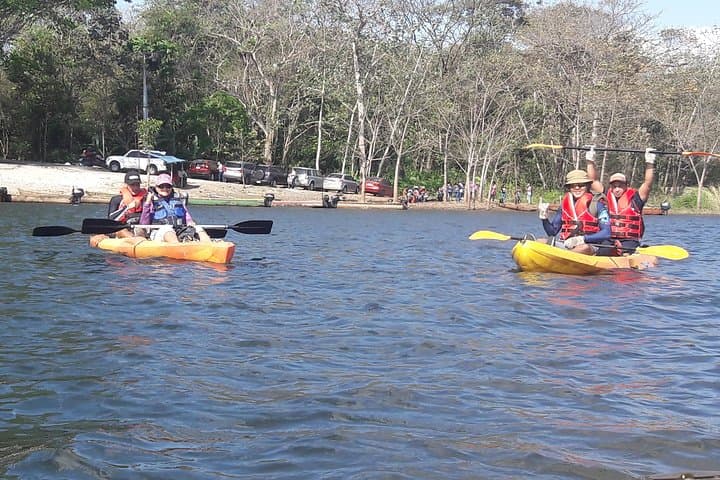
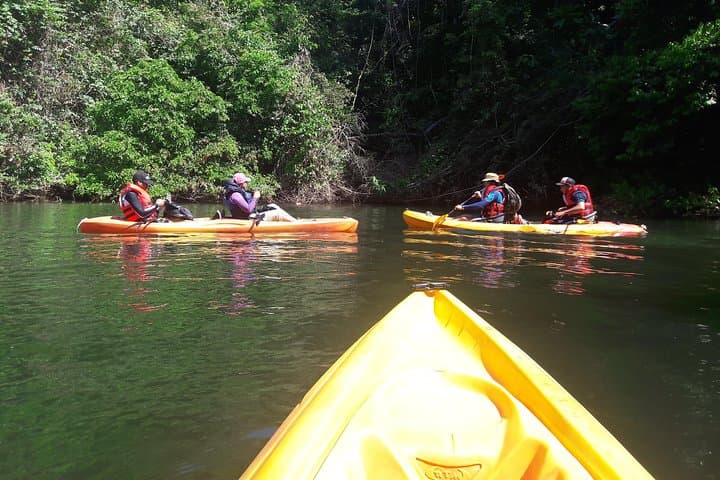
Paddles skim the glassy green of the Chagres River as the rainforest presses close and the city’s hum falls away. Early light finds motes of mist rising from oxbows while the river, once a highway for Spanish galleons and pirate sloops, keeps moving—steady, patient, uncompromising.
Verified experiences and guided adventures in the surrounding area.
Operated by Panama Outdoors · Gamboa, Panamá Province
Paddles skim the glassy green of the Chagres River as the rainforest presses close and the city’s hum falls away. Early light finds motes of mist rising from oxbows while the river, once a highway for Spanish galleons and pirate sloops, keeps moving—steady, patient, uncompromising.
This stretch of river shaped trade and conflict long before the Panama Canal rerouted global commerce. Geologically, the Chagres drains lowland rainforest and karst-fed valleys, delivering the water that made the canal possible; its banks alternate between swampy margins and steep, tree-covered berms. Culturally the trip centers on an Embera community: expect traditional wood-carving, vivid body paint, and a performance of music and dance that’s both an offering and a living archive.
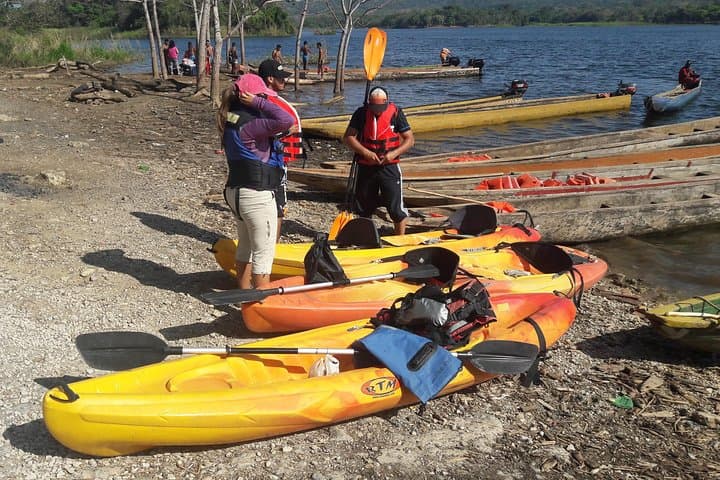
Practical guidance: the full-day excursion runs about 7–9 hours and combines a guided paddle with a village visit and lunch. Moderate fitness and basic paddling competence are required—guides provide kayaks and life jackets but being comfortable in moving water matters. Bring sun protection, a dry bag for cameras, and insect repellent; carry cash for crafts and tips. Respect local customs: ask before photographing people and follow guide directions on where to enter village spaces.
Expect an unhurried rhythm—stretches of easy paddling punctuated by quick wildlife sightings and the warm bustle of the village. Weather dictates conditions: low wind and dry-season light make for the gentlest paddling, while the rains put green fire back into the canopy and raise water levels.
This is part natural history, part cultural exchange—an active way to connect with the river that helped build modern Panama.
moderate.
7–9 hours.
Moderate — able to paddle for periods, transfer in/out of kayaks, and walk short uneven village paths.
The tour lasts about 7–9 hours and typically includes round-trip transport from Panama City, kayak and safety equipment, a guided paddle, lunch, and the Embera village visit with cultural presentation.
No advanced experience is required, but participants should have basic paddling skills and be comfortable in moving water; guides provide instruction and life jackets.
Yes—hosts welcome visitors and share culture, but follow guide instructions: ask permission before photos, accept designated areas for guests, and buy crafts directly from artisans if you wish to support them.
Not recommended for pregnant travelers or those with serious heart or spinal conditions. Bring necessary medications, and let the operator know any medical concerns before booking.
The Chagres River was a crucial transit route long before the Panama Canal; its flow and watershed helped enable the canal’s construction in the early 20th century.
Respect village rules and avoid single-use plastics; many operators support community-based tourism that funds local services and incentivizes forest protection.
Panama Outdoors operates guided outdoor trips and adventures with an emphasis on safety, stewardship, and memorable experiences.
Paddles skim the glassy green of the Chagres River as the rainforest presses close and the city’s hum falls away. Early light finds motes of mist rising from oxbows while the river, once a highway for Spanish galleons and pirate sloops, keeps moving—steady, patient, uncompromising.
Paddles skim the glassy green of the Chagres River as the rainforest presses close and the city’s hum falls away. Early light finds motes of mist rising from oxbows while the river, once a highway for Spanish galleons and pirate sloops, keeps moving—steady, patient, uncompromising.
This stretch of river shaped trade and conflict long before the Panama Canal rerouted global commerce. Geologically, the Chagres drains lowland rainforest and karst-fed valleys, delivering the water that made the canal possible; its banks alternate between swampy margins and steep, tree-covered berms. Culturally the trip centers on an Embera community: expect traditional wood-carving, vivid body paint, and a performance of music and dance that’s both an offering and a living archive.
Practical guidance: the full-day excursion runs about 7–9 hours and combines a guided paddle with a village visit and lunch. Moderate fitness and basic paddling competence are required—guides provide kayaks and life jackets but being comfortable in moving water matters. Bring sun protection, a dry bag for cameras, and insect repellent; carry cash for crafts and tips. Respect local customs: ask before photographing people and follow guide directions on where to enter village spaces.
Expect an unhurried rhythm—stretches of easy paddling punctuated by quick wildlife sightings and the warm bustle of the village. Weather dictates conditions: low wind and dry-season light make for the gentlest paddling, while the rains put green fire back into the canopy and raise water levels.
This is part natural history, part cultural exchange—an active way to connect with the river that helped build modern Panama.