THE ADVENTURE COLLECTIVE® · Independent discovery and booking for outdoor travel

Leave the city behind for a sunrise-to-sunset expedition into Chagres National Park. This mixed hike-and-raft day combines rainforest trails, Class II–III river sections, and cultural stops with Embera boat transfers.
Leave the city behind for a sunrise-to-sunset expedition into Chagres National Park. This mixed hike-and-raft day combines rainforest trails, Class II–III river sections, and cultural stops with Embera boat transfers.
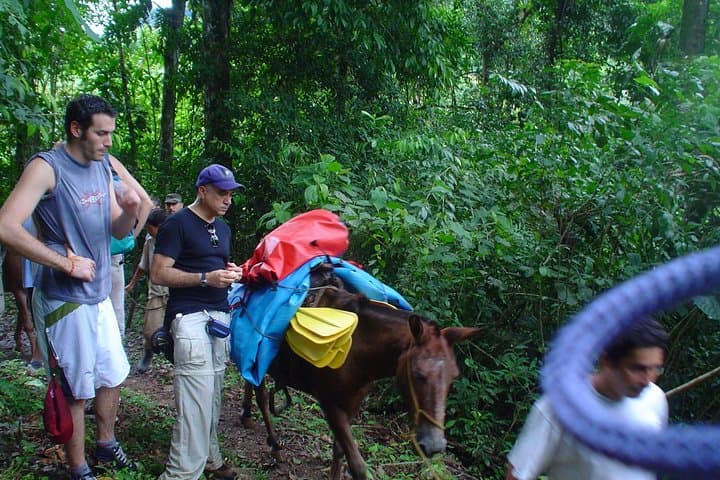
Dawn arrives hot and humid as the convoy rumbles away from Panama City, the skyline shrinking behind dense green. Within an hour the forest closes over the road, and by midmorning you’re stepping out into primary rainforest near San Cristóbal. The trail climbs through shade, past stands of cecropia and strangler figs, before opening onto the river terrace where the Rio Piedras and Chagres waterways begin to assert themselves.
Verified experiences and guided adventures in the surrounding area.
Operated by Adventures Panama · Panama City, Panamá Province
Dawn arrives hot and humid as the convoy rumbles away from Panama City, the skyline shrinking behind dense green. Within an hour the forest closes over the road, and by midmorning you’re stepping out into primary rainforest near San Cristóbal. The trail climbs through shade, past stands of cecropia and strangler figs, before opening onto the river terrace where the Rio Piedras and Chagres waterways begin to assert themselves.
The Chagres has been the lifeblood of this corner of Panamá for centuries — indigenous communities navigated its channels long before the Canal era — and the park protects a mosaic of granite canyons, river rapids, and lowland rainforest formed on uplifted Tertiary sediments. Cultural notes surface at a campesino farm stop: local subsistence plots, traditional crops and the occasional Embera motorboat waiting to ferry the group downstream.
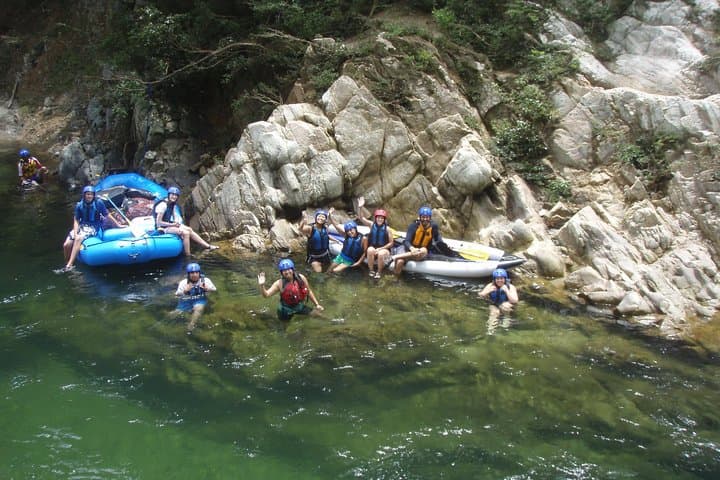
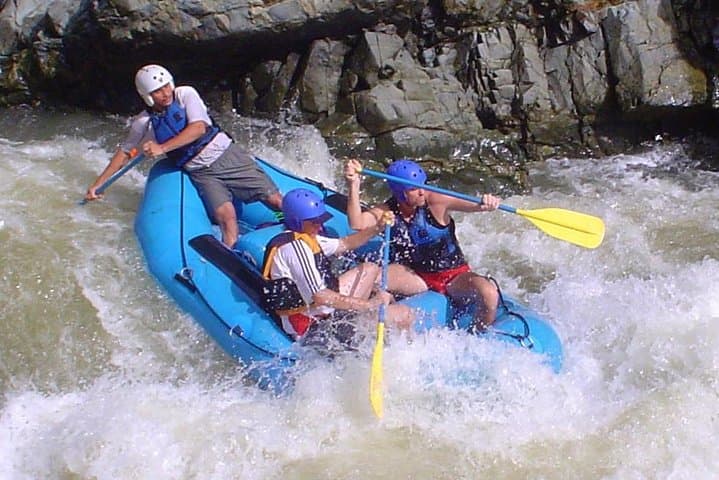
Practically, the day mixes a 2–3 hour rainforest hike, a stretch of Class II–III rafting, and paddling in a piragua toward Madden Lake. Wildlife sightings are common — howler and capuchin monkeys, sloth, river otter and toucan — but large mammals like tapir and jaguar remain elusive.
Expect a long day (14–16 hours): sturdy, quick-dry clothing and secure water shoes are essential, and guides provide rafts, safety briefings, and meals. Timing matters: during the dry months river levels drop and sections may require extended hiking. Hydrate, pack sun and insect protection, and be prepared to swap boots for a paddle at short notice — the Chagres dares you to keep up.
challenging.
14–16 hours.
Good aerobic fitness and muscular endurance for multiple hours of hiking plus rafting; ability to sit in a raft and paddle intermittently for long periods.
This is a long, full-day expedition requiring several hours of hiking on uneven jungle trails plus rafting; travelers should have moderate to strong fitness and be comfortable with sustained activity.
While the park is habitat for tapir and jaguar, sightings are rare; more common are monkeys, sloths, iguanas, toucans and river otters.
From late February through early June some groups may hike longer (up to 3 hours) to reach navigable water if the Rio Piedras is low; guides will adapt the route accordingly.
Yes — hotel pickup and drop-off are included; expect a pre-dawn departure and return to the city by evening.
The Chagres River was a colonial-era transit corridor and later a critical water source for the Panama Canal; indigenous communities like the Embera continue to connect cultural practices to these waterways.
Chagres National Park protects watershed critical to the Panama Canal and local communities; visitors are encouraged to minimize waste, stay on designated trails, and avoid disturbing wildlife.
Adventures Panama operates guided outdoor trips and adventures with an emphasis on safety, stewardship, and memorable experiences.
Dawn arrives hot and humid as the convoy rumbles away from Panama City, the skyline shrinking behind dense green. Within an hour the forest closes over the road, and by midmorning you’re stepping out into primary rainforest near San Cristóbal. The trail climbs through shade, past stands of cecropia and strangler figs, before opening onto the river terrace where the Rio Piedras and Chagres waterways begin to assert themselves.
Dawn arrives hot and humid as the convoy rumbles away from Panama City, the skyline shrinking behind dense green. Within an hour the forest closes over the road, and by midmorning you’re stepping out into primary rainforest near San Cristóbal. The trail climbs through shade, past stands of cecropia and strangler figs, before opening onto the river terrace where the Rio Piedras and Chagres waterways begin to assert themselves.
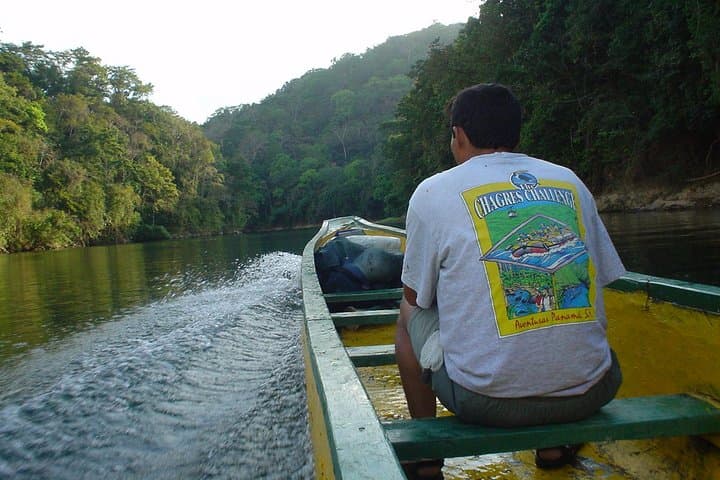
The Chagres has been the lifeblood of this corner of Panamá for centuries — indigenous communities navigated its channels long before the Canal era — and the park protects a mosaic of granite canyons, river rapids, and lowland rainforest formed on uplifted Tertiary sediments. Cultural notes surface at a campesino farm stop: local subsistence plots, traditional crops and the occasional Embera motorboat waiting to ferry the group downstream.
Practically, the day mixes a 2–3 hour rainforest hike, a stretch of Class II–III rafting, and paddling in a piragua toward Madden Lake. Wildlife sightings are common — howler and capuchin monkeys, sloth, river otter and toucan — but large mammals like tapir and jaguar remain elusive.
Expect a long day (14–16 hours): sturdy, quick-dry clothing and secure water shoes are essential, and guides provide rafts, safety briefings, and meals. Timing matters: during the dry months river levels drop and sections may require extended hiking. Hydrate, pack sun and insect protection, and be prepared to swap boots for a paddle at short notice — the Chagres dares you to keep up.