THE ADVENTURE COLLECTIVE® · Independent discovery and booking for outdoor travel

A compact, high-altitude two-day trek offering summit views from 6,075 m. Expect pumice slopes, overnight camping at 5,200 m, and sunrise panoramas of Misti, Ampato and Sabancaya.
A compact, high-altitude two-day trek offering summit views from 6,075 m. Expect pumice slopes, overnight camping at 5,200 m, and sunrise panoramas of Misti, Ampato and Sabancaya.
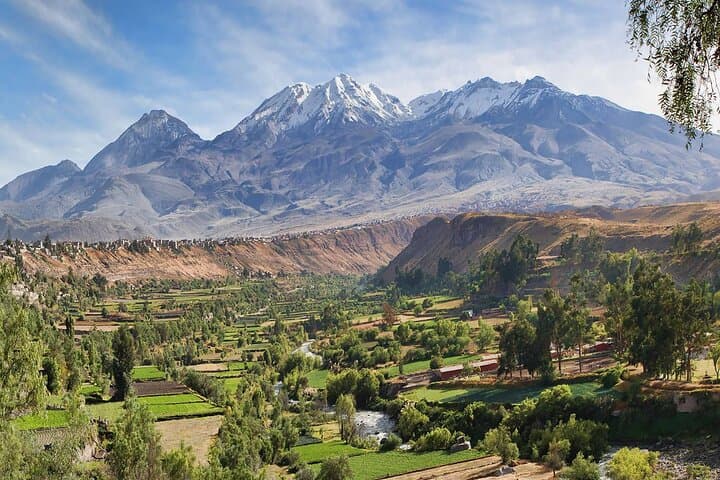
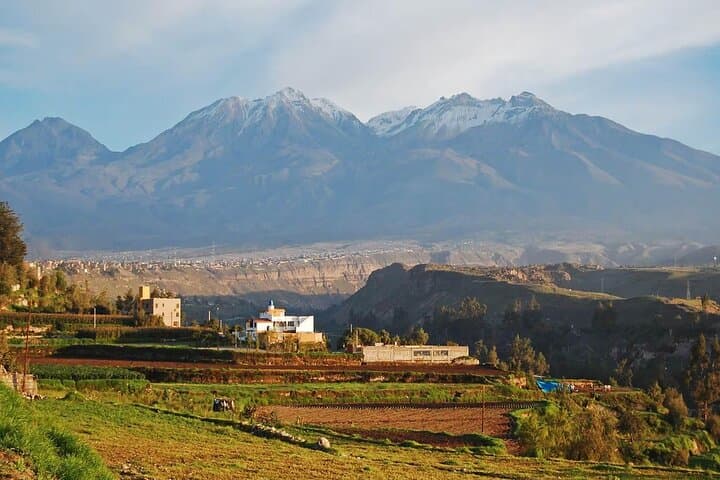
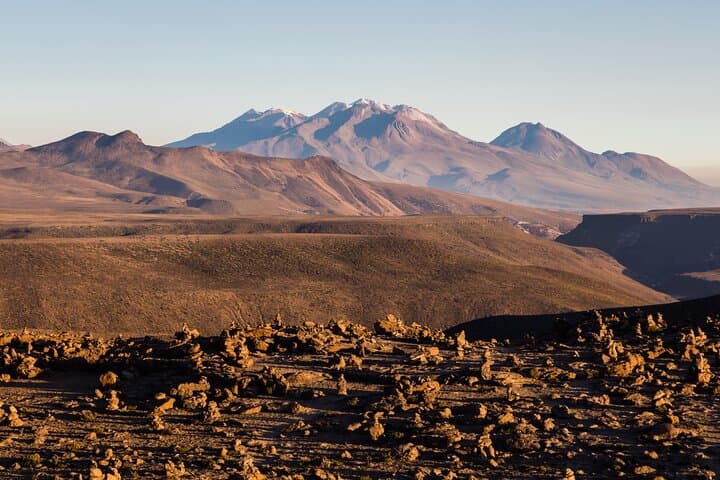
Before dawn the 4x4 grinds away from Arequipa and the city lights shrink into the bowl of the valley. You arrive at Pampa Cañahuas and step onto high-altitude puna: the air is thin, the ground a mix of volcanic sand and gravel, and the slope ahead climbs toward a skyline of serrated summits. On day one a steady two-hour trek deposits you at base camp (≈5,200 m), where tents are pitched on coarse pumice and the Andes tighten around you.
Verified experiences and guided adventures in the surrounding area.
Operated by Machupicchu Holiday · Arequipa, Arequipa Region
Before dawn the 4x4 grinds away from Arequipa and the city lights shrink into the bowl of the valley. You arrive at Pampa Cañahuas and step onto high-altitude puna: the air is thin, the ground a mix of volcanic sand and gravel, and the slope ahead climbs toward a skyline of serrated summits. On day one a steady two-hour trek deposits you at base camp (≈5,200 m), where tents are pitched on coarse pumice and the Andes tighten around you.
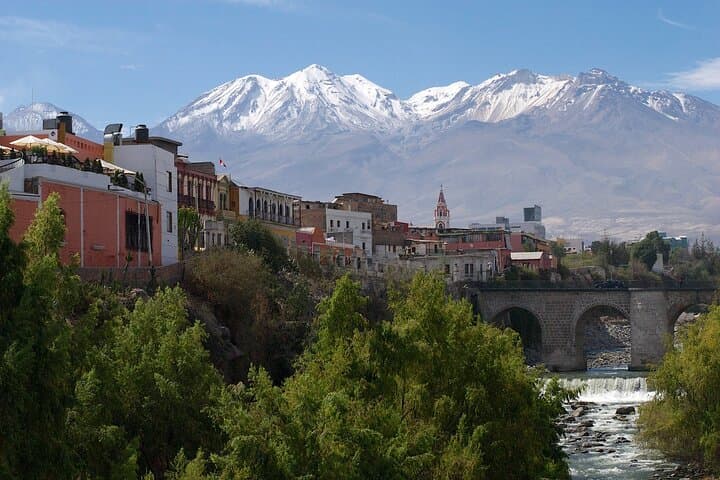
Chachani is a complex volcanic massif north of Arequipa; its domes and lava flows were sculpted through Pleistocene volcanism and now sit beside younger, active neighbors like Sabancaya. The surrounding valleys bear traces of Andean pastoral life — herding, stone corrals and Quechua-speaking communities — and the wider region is rich in archaeological finds on neighboring peaks.
The summit day starts at 2:00 AM with headlamps cutting through the cold. Expect steep scree and long switchbacks as you gain roughly 875 m to reach 6,075 m; on a clear morning the panorama includes Misti, Ampato and distant Coropuna. Guides manage pacing and safety, and the route is non-technical in dry conditions but exposed to wind, snow or ice at higher elevations.
Plan for serious altitude management: acclimatize in Arequipa, carry layers, use trekking poles, and hydrate. The operator’s 4x4 transfers and tent accommodation simplify logistics, but the physical and environmental demands remain high. This is a compact, rigorous two-day ascent best suited to well-prepared trekkers seeking high-altitude exposure without technical climbing.
challenging.
2 days.
High level of cardiovascular fitness and previous high-altitude trekking experience recommended
The route is non-technical but physically demanding due to altitude and steep scree; expect sustained effort and an 875 m summit gain on day two.
On standard departures crampons/ropes are not typically required, but guides may request microspikes or crampons in snowy conditions—check with the operator before departure.
Acclimatization is not provided; the itinerary assumes you will spend time in Arequipa beforehand—plan 24–48 hours in the city for best results.
The trip includes 4x4 transportation, a professional guide, one night of tent accommodation, and meals as listed (lunch, dinner, breakfast) with hotel pickup and return in Arequipa.
Chachani is part of the Arequipa volcanic complex; nearby peaks like Ampato have yielded significant Inca-era archaeological finds, reflecting long human presence in the high Andes.
High-elevation puna ecosystems are fragile—avoid camping on fragile vegetation, pack out all waste, and follow guide instructions to minimize impact.
Machupicchu Holiday operates guided outdoor trips and adventures with an emphasis on safety, stewardship, and memorable experiences.
Before dawn the 4x4 grinds away from Arequipa and the city lights shrink into the bowl of the valley. You arrive at Pampa Cañahuas and step onto high-altitude puna: the air is thin, the ground a mix of volcanic sand and gravel, and the slope ahead climbs toward a skyline of serrated summits. On day one a steady two-hour trek deposits you at base camp (≈5,200 m), where tents are pitched on coarse pumice and the Andes tighten around you.
Before dawn the 4x4 grinds away from Arequipa and the city lights shrink into the bowl of the valley. You arrive at Pampa Cañahuas and step onto high-altitude puna: the air is thin, the ground a mix of volcanic sand and gravel, and the slope ahead climbs toward a skyline of serrated summits. On day one a steady two-hour trek deposits you at base camp (≈5,200 m), where tents are pitched on coarse pumice and the Andes tighten around you.
Chachani is a complex volcanic massif north of Arequipa; its domes and lava flows were sculpted through Pleistocene volcanism and now sit beside younger, active neighbors like Sabancaya. The surrounding valleys bear traces of Andean pastoral life — herding, stone corrals and Quechua-speaking communities — and the wider region is rich in archaeological finds on neighboring peaks.
The summit day starts at 2:00 AM with headlamps cutting through the cold. Expect steep scree and long switchbacks as you gain roughly 875 m to reach 6,075 m; on a clear morning the panorama includes Misti, Ampato and distant Coropuna. Guides manage pacing and safety, and the route is non-technical in dry conditions but exposed to wind, snow or ice at higher elevations.
Plan for serious altitude management: acclimatize in Arequipa, carry layers, use trekking poles, and hydrate. The operator’s 4x4 transfers and tent accommodation simplify logistics, but the physical and environmental demands remain high. This is a compact, rigorous two-day ascent best suited to well-prepared trekkers seeking high-altitude exposure without technical climbing.