THE ADVENTURE COLLECTIVE® · Independent discovery and booking for outdoor travel

Spend two hours on a Chachagua hobby farm learning traditional Costa Rican coffee and chocolate techniques. Walk rainforest trails, make your own chocolate bar, and taste regional beverages while learning about the volcanic soils that shape local flavors.
Spend two hours on a Chachagua hobby farm learning traditional Costa Rican coffee and chocolate techniques. Walk rainforest trails, make your own chocolate bar, and taste regional beverages while learning about the volcanic soils that shape local flavors.
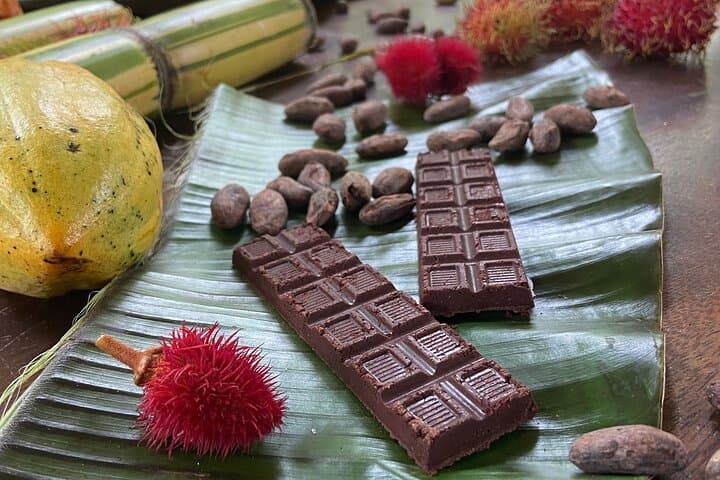
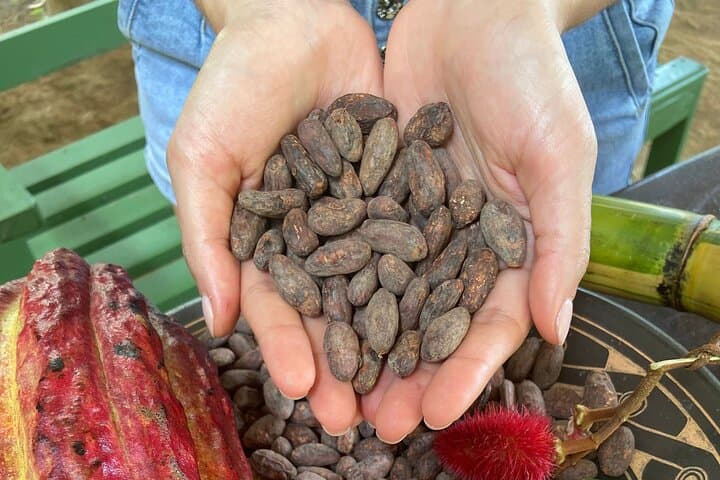
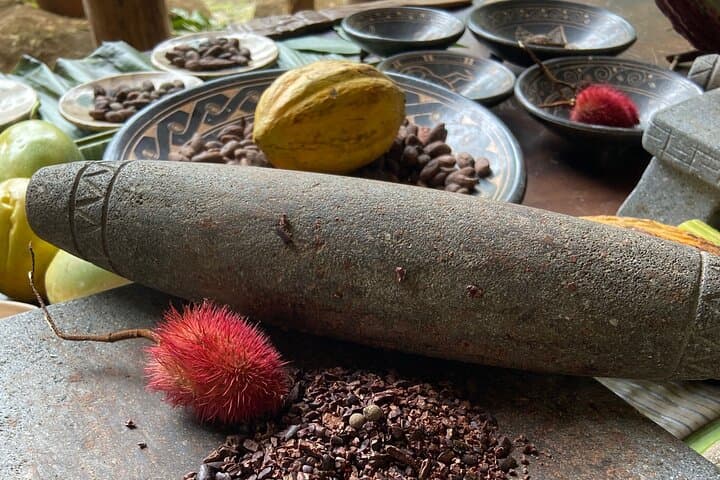
Mug warm in your hands, you step from a shaded path into a small hobby farm where the rainforest hums and leaves drip with recent mist. The aroma of fresh coffee hangs like a promise; birds trade calls above as the guide shows a low row of cacao trees, pods bright against glossy leaves. This is not a tasting behind glass but a hands-on rhythm: grind, roast, press and stir — the landscape itself pushing the lesson forward.
Verified experiences and guided adventures in the surrounding area.
Operated by Chachagua Rainforest Private Reserve & Tours · La Fortuna, Alajuela
Mug warm in your hands, you step from a shaded path into a small hobby farm where the rainforest hums and leaves drip with recent mist. The aroma of fresh coffee hangs like a promise; birds trade calls above as the guide shows a low row of cacao trees, pods bright against glossy leaves. This is not a tasting behind glass but a hands-on rhythm: grind, roast, press and stir — the landscape itself pushing the lesson forward.
Costa Rica’s coffee and cacao histories overlap with indigenous cultivation and colonial export economies; around La Fortuna volcanic soils and consistent humidity support both crops. The farm pairs foodways and geology — you’ll see how Arenal’s old eruptions left mineral-rich soils that favor bold coffee and how cacao thrives in humid understory pockets.
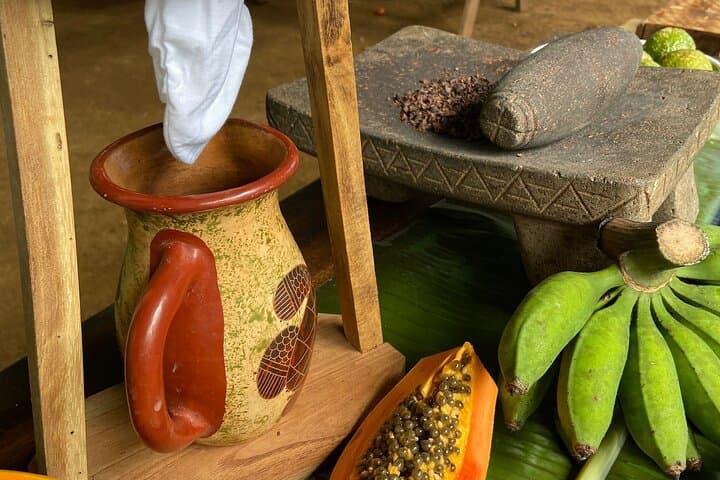
Culturally the class mixes tradition and play: an introduction to Costa Rican beverages (sugar cane refresher, optional Cacique mix), a demonstration of century-old chocolate-making, then your turn to craft a bar. The walk to the farm crosses uneven forest floor and herb gardens that show local agroforestry practices.
Practical notes: the 2-hour workshop accommodates small groups (up to eight), includes take-home samples, and runs rain or shine—bring insect repellent, closed-toe shoes, and a lightweight rain layer. Expect light walking and some standing during hands-on steps; disclose allergies ahead of time. Book mornings for cooler temps and clearer wildlife sightings. This experience is ideal for food lovers who want tactile learning in an outdoor, low-impact setting.
easy.
2 hours.
Light—suitable for most adults and older children able to walk short, uneven trails and stand during hands-on work
The workshop runs about 2 hours and includes a short guided walk, hands-on roasting/grinding/tempering of cacao and coffee, and take-home samples of what you make.
Yes—families are welcome; children should be supervised during hands-on steps and any allergy concerns disclosed in advance.
Inform the operator at booking; they can often adjust ingredients or advise which samples to avoid, but always confirm ahead of time.
Full refund available if you cancel at least 24 hours before the scheduled time; no refund within 24 hours.
Cacao and coffee played roles in pre-Columbian and colonial economies; in Costa Rica small-scale farms and experimental hobby farms preserve traditional processing techniques alongside modern methods.
The farm practices low-impact agroforestry, keeping shade trees and understory plants that support soil health and local biodiversity; visitors are asked to stay on paths and avoid disturbing wildlife.
Chachagua Rainforest Private Reserve & Tours operates guided outdoor trips and adventures with an emphasis on safety, stewardship, and memorable experiences.
Mug warm in your hands, you step from a shaded path into a small hobby farm where the rainforest hums and leaves drip with recent mist. The aroma of fresh coffee hangs like a promise; birds trade calls above as the guide shows a low row of cacao trees, pods bright against glossy leaves. This is not a tasting behind glass but a hands-on rhythm: grind, roast, press and stir — the landscape itself pushing the lesson forward.
Mug warm in your hands, you step from a shaded path into a small hobby farm where the rainforest hums and leaves drip with recent mist. The aroma of fresh coffee hangs like a promise; birds trade calls above as the guide shows a low row of cacao trees, pods bright against glossy leaves. This is not a tasting behind glass but a hands-on rhythm: grind, roast, press and stir — the landscape itself pushing the lesson forward.
Costa Rica’s coffee and cacao histories overlap with indigenous cultivation and colonial export economies; around La Fortuna volcanic soils and consistent humidity support both crops. The farm pairs foodways and geology — you’ll see how Arenal’s old eruptions left mineral-rich soils that favor bold coffee and how cacao thrives in humid understory pockets.
Culturally the class mixes tradition and play: an introduction to Costa Rican beverages (sugar cane refresher, optional Cacique mix), a demonstration of century-old chocolate-making, then your turn to craft a bar. The walk to the farm crosses uneven forest floor and herb gardens that show local agroforestry practices.
Practical notes: the 2-hour workshop accommodates small groups (up to eight), includes take-home samples, and runs rain or shine—bring insect repellent, closed-toe shoes, and a lightweight rain layer. Expect light walking and some standing during hands-on steps; disclose allergies ahead of time. Book mornings for cooler temps and clearer wildlife sightings. This experience is ideal for food lovers who want tactile learning in an outdoor, low-impact setting.