THE ADVENTURE COLLECTIVE® · Independent discovery and booking for outdoor travel

From Colombo’s port to the tea fields of Ingiriya, this 4–5 hour shore excursion pairs a working tea factory visit with Colombo’s key cultural stops. Expect hands-on factory viewing, tea tasting, and short walks through plantations and city sights.
From Colombo’s port to the tea fields of Ingiriya, this 4–5 hour shore excursion pairs a working tea factory visit with Colombo’s key cultural stops. Expect hands-on factory viewing, tea tasting, and short walks through plantations and city sights.
Stepping off the ship and into Colombo’s humid air, travelers trade harbor cranes for the rhythmic geometry of tea bushes within two hours. The road to Ingiriya moves from urban bustle into a patchwork of rice paddies, rubber groves and low, emerald slopes where tea plants crowd the landscape. The bushes seem to lean toward visitors, as if offering the scent of a fresh brew before a single leaf is plucked.
Verified experiences and guided adventures in the surrounding area.
Operated by Colombo City Boy · Colombo, Western Province
Stepping off the ship and into Colombo’s humid air, travelers trade harbor cranes for the rhythmic geometry of tea bushes within two hours. The road to Ingiriya moves from urban bustle into a patchwork of rice paddies, rubber groves and low, emerald slopes where tea plants crowd the landscape. The bushes seem to lean toward visitors, as if offering the scent of a fresh brew before a single leaf is plucked.
Tea shaped modern Sri Lanka: the Ceylon tea industry, expanded under British colonial rule, transformed inland hills into agricultural belts and remains a major export. Geologically the western low-country here is gentle—rolling uplands and shallow soils that favor bush-style plantations rather than steep hill estates. Culturally the tour pairs agro-industry with city heritage: silent meditation platforms on Beira Lake, colonial-era Independence Memorial Hall and the creative burst of Green Path street art.
Expect hands-on observation rather than hard hiking. At a working factory you'll watch with simple clarity how leaf becomes brew—with graders, withers and rollers moving like an assembly of deliberate hands. Taste is immediate and local: a single-cup comparison that clarifies why the island’s teas carry a global reputation.
Practical notes: the full shore excursion runs about 4–5 hours door-to-door from the port. Wear closed shoes for plantation paths, sun protection and a light rain layer (tropical showers are common). Bring a reusable water bottle and a small amount of local currency for artisan stalls. The pace is relaxed, sensory, and designed for anyone comfortable on brief walking segments across uneven ground.
easy.
4–5 hours.
Suitable for most fitness levels; involves brief walking on uneven plantation tracks and short city strolls
The excursion starts and ends at the Colombo Port Passenger Terminal; pickup and drop-off are arranged for cruise passengers.
Yes—walks are short and paced; guests with mobility concerns should notify the operator in advance for assistance.
Factory entrance and a tea tasting are included; small purchases or donations at temples and stalls are not included.
Smart casual clothing is requested; cover shoulders and knees at temples and remove hats and shoes where required.
Tea cultivation expanded under British colonial administration in the 19th century and shaped much of Sri Lanka’s agricultural landscape; Colombo’s Independence Memorial Hall marks the country’s 1948 independence.
Look for ethical tea sourcing and avoid single-use plastics; plantation runoff and habitat conversion are local concerns, so choose operators that support community or sustainable practices.
Colombo City Boy operates guided outdoor trips and adventures with an emphasis on safety, stewardship, and memorable experiences.

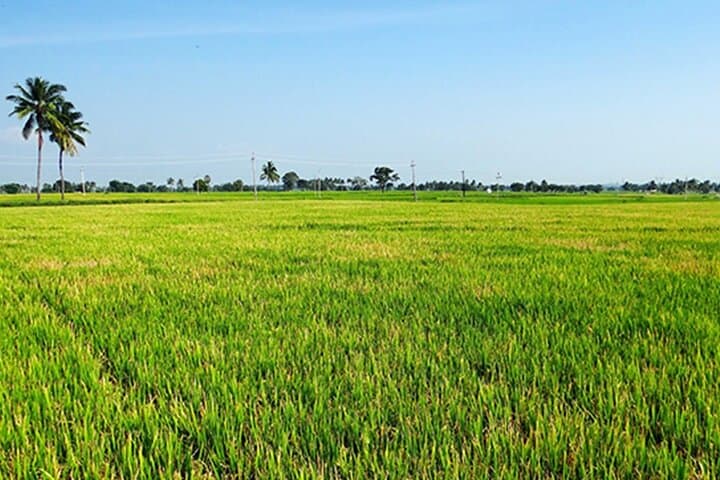
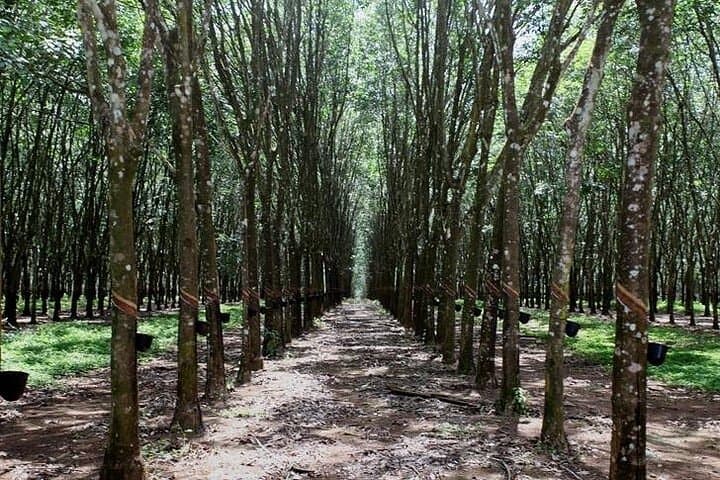
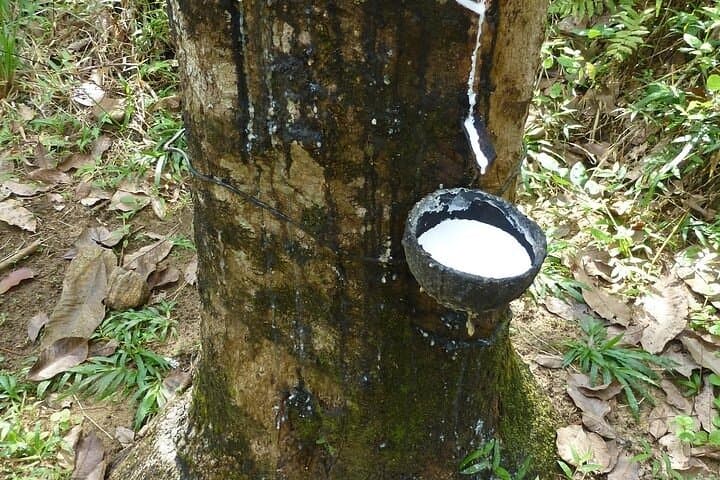
Stepping off the ship and into Colombo’s humid air, travelers trade harbor cranes for the rhythmic geometry of tea bushes within two hours. The road to Ingiriya moves from urban bustle into a patchwork of rice paddies, rubber groves and low, emerald slopes where tea plants crowd the landscape. The bushes seem to lean toward visitors, as if offering the scent of a fresh brew before a single leaf is plucked.
Stepping off the ship and into Colombo’s humid air, travelers trade harbor cranes for the rhythmic geometry of tea bushes within two hours. The road to Ingiriya moves from urban bustle into a patchwork of rice paddies, rubber groves and low, emerald slopes where tea plants crowd the landscape. The bushes seem to lean toward visitors, as if offering the scent of a fresh brew before a single leaf is plucked.
Tea shaped modern Sri Lanka: the Ceylon tea industry, expanded under British colonial rule, transformed inland hills into agricultural belts and remains a major export. Geologically the western low-country here is gentle—rolling uplands and shallow soils that favor bush-style plantations rather than steep hill estates. Culturally the tour pairs agro-industry with city heritage: silent meditation platforms on Beira Lake, colonial-era Independence Memorial Hall and the creative burst of Green Path street art.
Expect hands-on observation rather than hard hiking. At a working factory you'll watch with simple clarity how leaf becomes brew—with graders, withers and rollers moving like an assembly of deliberate hands. Taste is immediate and local: a single-cup comparison that clarifies why the island’s teas carry a global reputation.
Practical notes: the full shore excursion runs about 4–5 hours door-to-door from the port. Wear closed shoes for plantation paths, sun protection and a light rain layer (tropical showers are common). Bring a reusable water bottle and a small amount of local currency for artisan stalls. The pace is relaxed, sensory, and designed for anyone comfortable on brief walking segments across uneven ground.