THE ADVENTURE COLLECTIVE® · Independent discovery and booking for outdoor travel

Board a small boat at Saint-Jean-de-Luz and head 45 minutes out to the Gouf de Capbreton, a deep ocean canyon that concentrates food and draws more than 15 species of cetaceans. Expect close dolphin encounters, possible whale sightings, and a small-group, skipper-led marine experience.
Board a small boat at Saint-Jean-de-Luz and head 45 minutes out to the Gouf de Capbreton, a deep ocean canyon that concentrates food and draws more than 15 species of cetaceans. Expect close dolphin encounters, possible whale sightings, and a small-group, skipper-led marine experience.
A salt wind cuts across the bow as the pontoon at Saint-Jean-de-Luz slips away. You lean into the wake and watch the headland recede; within about 45 minutes the ocean floor drops into the Gouf de Capbreton, a submarine canyon that plunges beyond 4,000 meters and pulls life with it. The sea here feels alive — currents that nudge the boat, dolphins that dare the bow, and the hush when a blow breaks the horizon.
Verified experiences and guided adventures in the surrounding area.
Operated by Oceanboat64 · Saint-Jean-de-Luz, Nouvelle-Aquitaine
A salt wind cuts across the bow as the pontoon at Saint-Jean-de-Luz slips away. You lean into the wake and watch the headland recede; within about 45 minutes the ocean floor drops into the Gouf de Capbreton, a submarine canyon that plunges beyond 4,000 meters and pulls life with it. The sea here feels alive — currents that nudge the boat, dolphins that dare the bow, and the hush when a blow breaks the horizon.
The Basque coast has been maritime for centuries: small ports, coastal fisheries, and a seafaring culture that once followed whales and tuna. Geologically the Gouf is a deep rift carved by tectonics and currents; that depth concentrates nutrients and attracts plankton, schools of fish and, in turn, cetaceans. Local skippers know the patterns — where common dolphins gather in pods, where larger baleen whales pass on migration, and how to read seabird lines for feeding activity.
Expect a small-group outing (often under 12), a professional skipper and boat, and careful viewing rules to minimize disturbance. Trips typically run four to four-and-a-half hours, with roughly 45 minutes transit each way and time on site to scan for blows, tails and energetic bow-riding. Practicalities: dress in windproof layers, bring binoculars and motion-sickness remedies if you’re sensitive, and plan for changing light. Morning departures are best for calmer seas and clearer visibility. Above all, be ready to trade shore views for a wide, moving seascape where animals set the agenda and you follow their lead.
easy.
4–4.5 hours.
Suitable for most fitness levels; you should be able to board a small vessel and stand on deck for extended periods.
The excursion is about 4–4.5 hours total, including roughly 45 minutes each way to the Gouf de Capbreton and time on the observation site.
Guides report more than 15 cetacean species in the area; sightings are common for dolphins and porpoises, while whale encounters are less frequent but possible.
The tour is family-friendly and described as physically easy, but it is not recommended for pregnant travelers due to motion and sea conditions.
Trips are canceled for bad weather or insufficient travelers; full refunds are typically available if you cancel at least 24 hours in advance.
The Basque coast has a long maritime tradition—local ports once supported fisheries and coastal whaling; today the region focuses on observation and conservation.
Operators follow approach limits and low-speed protocols to minimize disturbance; choose providers who prioritize animal welfare and local permit compliance.
Oceanboat64 operates guided outdoor trips and adventures with an emphasis on safety, stewardship, and memorable experiences.
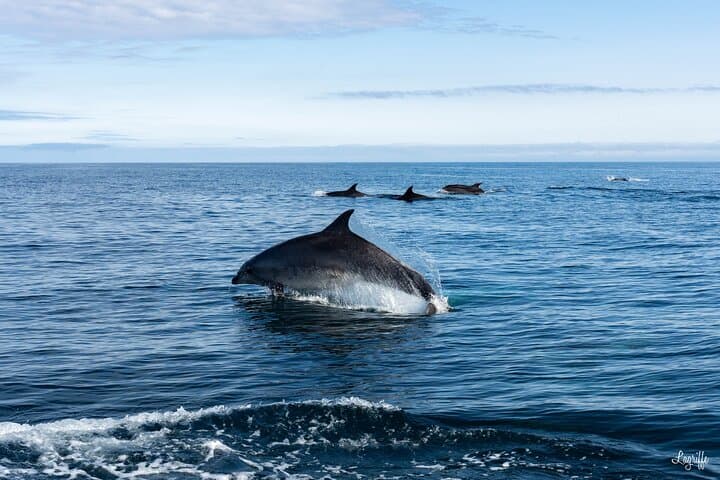
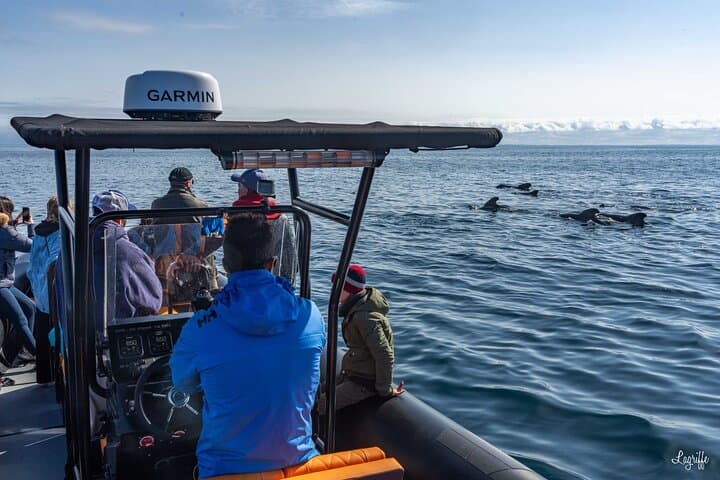
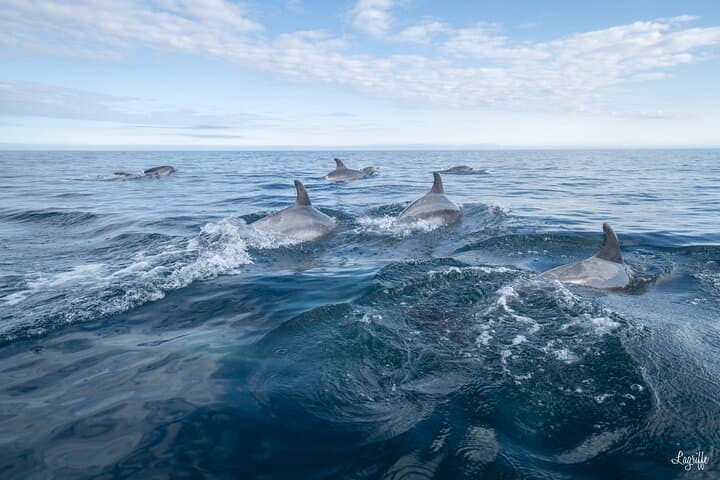
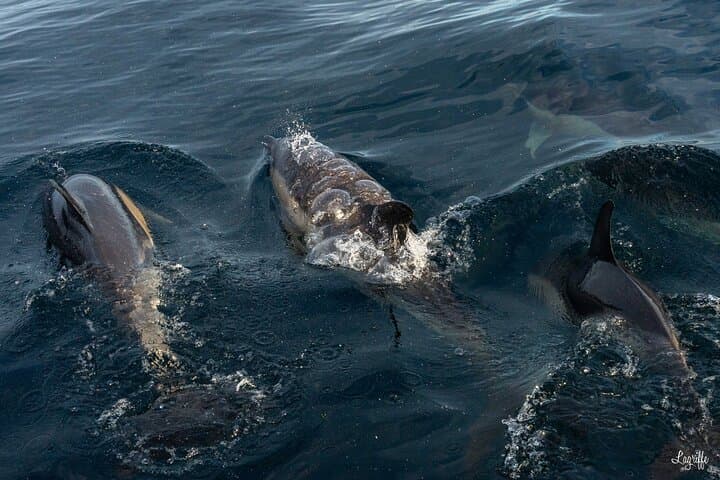
A salt wind cuts across the bow as the pontoon at Saint-Jean-de-Luz slips away. You lean into the wake and watch the headland recede; within about 45 minutes the ocean floor drops into the Gouf de Capbreton, a submarine canyon that plunges beyond 4,000 meters and pulls life with it. The sea here feels alive — currents that nudge the boat, dolphins that dare the bow, and the hush when a blow breaks the horizon.
A salt wind cuts across the bow as the pontoon at Saint-Jean-de-Luz slips away. You lean into the wake and watch the headland recede; within about 45 minutes the ocean floor drops into the Gouf de Capbreton, a submarine canyon that plunges beyond 4,000 meters and pulls life with it. The sea here feels alive — currents that nudge the boat, dolphins that dare the bow, and the hush when a blow breaks the horizon.
The Basque coast has been maritime for centuries: small ports, coastal fisheries, and a seafaring culture that once followed whales and tuna. Geologically the Gouf is a deep rift carved by tectonics and currents; that depth concentrates nutrients and attracts plankton, schools of fish and, in turn, cetaceans. Local skippers know the patterns — where common dolphins gather in pods, where larger baleen whales pass on migration, and how to read seabird lines for feeding activity.
Expect a small-group outing (often under 12), a professional skipper and boat, and careful viewing rules to minimize disturbance. Trips typically run four to four-and-a-half hours, with roughly 45 minutes transit each way and time on site to scan for blows, tails and energetic bow-riding. Practicalities: dress in windproof layers, bring binoculars and motion-sickness remedies if you’re sensitive, and plan for changing light. Morning departures are best for calmer seas and clearer visibility. Above all, be ready to trade shore views for a wide, moving seascape where animals set the agenda and you follow their lead.