THE ADVENTURE COLLECTIVE® · Independent discovery and booking for outdoor travel

Two accessible wreck dives off Curaçao — the shallow Tugboat and the car-reef at Marie Pampoen — deliver clear water, abundant reef life, and strong photo opportunities for certified divers. Read on for what to expect and how to prepare.
Two accessible wreck dives off Curaçao — the shallow Tugboat and the car-reef at Marie Pampoen — deliver clear water, abundant reef life, and strong photo opportunities for certified divers. Read on for what to expect and how to prepare.
Salt tang and sun-hit water meet divers before the first breath underwater — the dive center hums with regulators and clipped fins as the group rigs up for a shore-entry at first light.
Verified experiences and guided adventures in the surrounding area.
Operated by Dive Center van de Ven · Willemstad, Curaçao
Salt tang and sun-hit water meet divers before the first breath underwater — the dive center hums with regulators and clipped fins as the group rigs up for a shore-entry at first light.
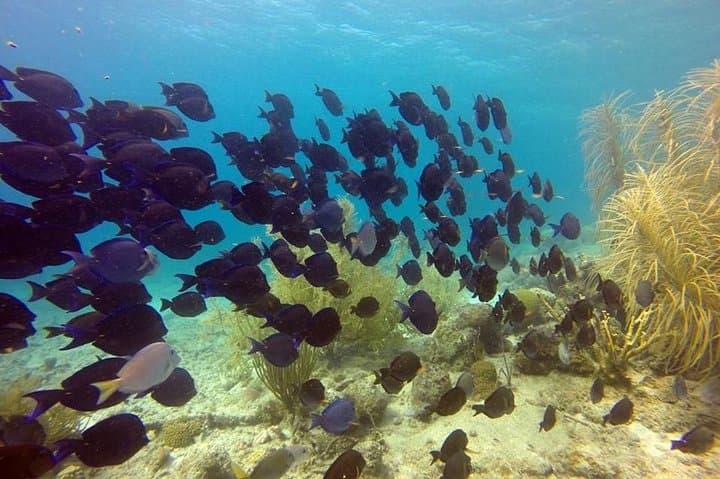
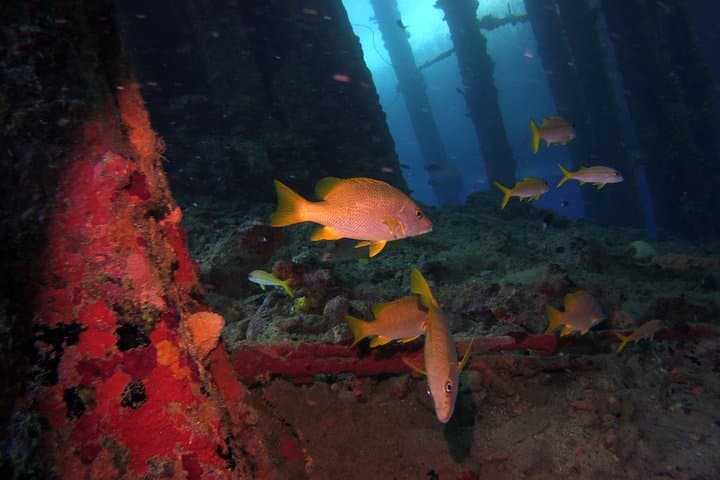
The morning’s first stop is the Tugboat: a small, shallow wreck sitting at roughly 5 m that invites close-up photography and easy exploration. On one side a shallow reef blooms with colorful parrotfish and wrasse; on the other a steeper wall drops into deeper blue for those who want to push the depth.
The second dive at Marie Pampoen contrasts natural reef with human-made history: cars sunk in the 1960s to form artificial habitat, now colonized by corals and schooling fish.
Geology here is straightforward — a volcanic island platform fringed by coral reef — but the variety comes from structure: wreck, wall, and patch reef all within short boat or shore access from Willemstad.
Locally, diving is part of Curaçao’s seaside rhythm; operators are small and experienced, and many crews are bilingual Dutch–Papiamentu–English.
Practically, certified divers should expect 2 dives in about three hours with surface intervals, tropical water in the mid-to-high 20s°C, excellent visibility, and light currents. Bring your certification card and a dive computer, log planned depths, and brief with the guide about buoyancy over wrecks and artificial structures. Reef-safe sunscreen and respect for marine life help keep these sites healthy. With basic preparation and moderate fitness, the Tugboat and Marie Pampoen offer memorable, accessible dives for certified explorers.
moderate.
3 hours.
Moderate fitness — able to carry gear, perform a shore entry, and swim in light currents.
Yes — evidence of dive certification is required for certified dives; entry-level Open Water certification is typically sufficient.
Common sightings include parrotfish, French angelfish, eels, moray eels, lionfish, and occasional sea turtles around reef areas.
The Tugboat sits around 5 m; nearby walls and other sites may be deeper — a dive computer is strongly recommended to monitor depth and bottom time.
Yes — operators may substitute sites if weather or local conditions make a location unsuitable; briefings before each dive will cover alternatives.
Some dive attractions on Curaçao are artificial reefs created in the mid-20th century, like cars sunk at Marie Pampoen to encourage coral growth.
Reefs face stress from warming and local impacts — use reef-safe sunscreen, don't touch coral, and follow operator briefings to minimize disturbance.
Dive Center van de Ven operates guided outdoor trips and adventures with an emphasis on safety, stewardship, and memorable experiences.
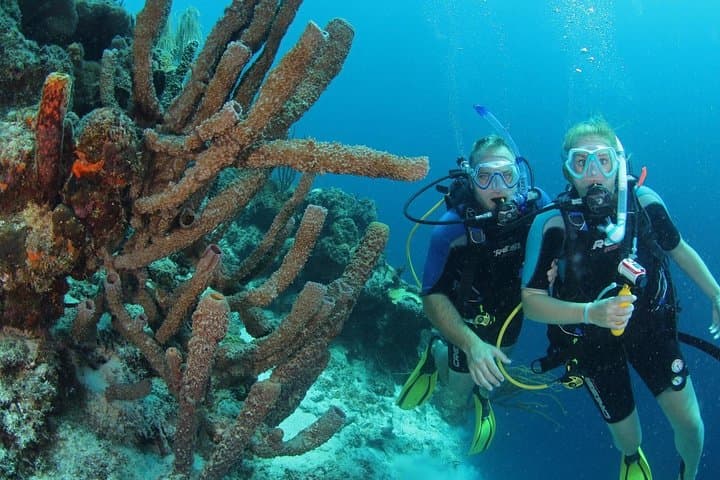
Salt tang and sun-hit water meet divers before the first breath underwater — the dive center hums with regulators and clipped fins as the group rigs up for a shore-entry at first light.
Salt tang and sun-hit water meet divers before the first breath underwater — the dive center hums with regulators and clipped fins as the group rigs up for a shore-entry at first light.
The morning’s first stop is the Tugboat: a small, shallow wreck sitting at roughly 5 m that invites close-up photography and easy exploration. On one side a shallow reef blooms with colorful parrotfish and wrasse; on the other a steeper wall drops into deeper blue for those who want to push the depth.
The second dive at Marie Pampoen contrasts natural reef with human-made history: cars sunk in the 1960s to form artificial habitat, now colonized by corals and schooling fish.
Geology here is straightforward — a volcanic island platform fringed by coral reef — but the variety comes from structure: wreck, wall, and patch reef all within short boat or shore access from Willemstad.
Locally, diving is part of Curaçao’s seaside rhythm; operators are small and experienced, and many crews are bilingual Dutch–Papiamentu–English.
Practically, certified divers should expect 2 dives in about three hours with surface intervals, tropical water in the mid-to-high 20s°C, excellent visibility, and light currents. Bring your certification card and a dive computer, log planned depths, and brief with the guide about buoyancy over wrecks and artificial structures. Reef-safe sunscreen and respect for marine life help keep these sites healthy. With basic preparation and moderate fitness, the Tugboat and Marie Pampoen offer memorable, accessible dives for certified explorers.