THE ADVENTURE COLLECTIVE® · Independent discovery and booking for outdoor travel

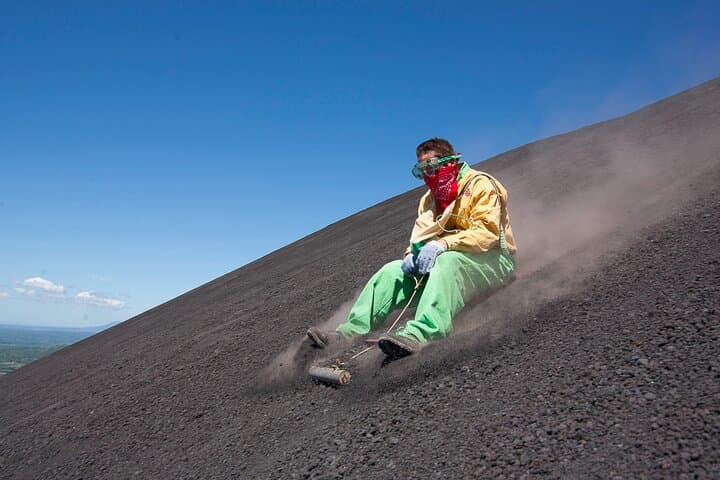
Climb a young volcanic cone outside León, feel the loose black scree underfoot, then descend the crater on a sandboard. This half-day adventure blends a short, gritty hike with a fast, dusty ride back down.
Climb a young volcanic cone outside León, feel the loose black scree underfoot, then descend the crater on a sandboard. This half-day adventure blends a short, gritty hike with a fast, dusty ride back down.
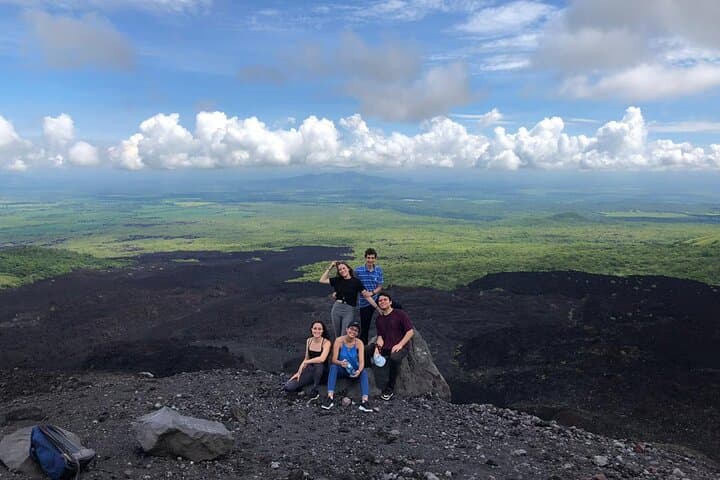
From the dirt road outside León the black cone of Cerro Negro rises like a fresh wound on the landscape—sharp scoria and matte ash cutting a clean silhouette against the sky. Guides meet at city hotels for a 45–60 minute 4WD transfer, then lead a 45–75 minute climb up loose volcanic scree to the crater rim. At the top the Pacific horizon opens and the city’s colonial roofs lie small below; wind dares to toss grit across the crater as you prepare to board.
Verified experiences and guided adventures in the surrounding area.
Operated by El Perezoso · León, León Department
From the dirt road outside León the black cone of Cerro Negro rises like a fresh wound on the landscape—sharp scoria and matte ash cutting a clean silhouette against the sky. Guides meet at city hotels for a 45–60 minute 4WD transfer, then lead a 45–75 minute climb up loose volcanic scree to the crater rim. At the top the Pacific horizon opens and the city’s colonial roofs lie small below; wind dares to toss grit across the crater as you prepare to board.
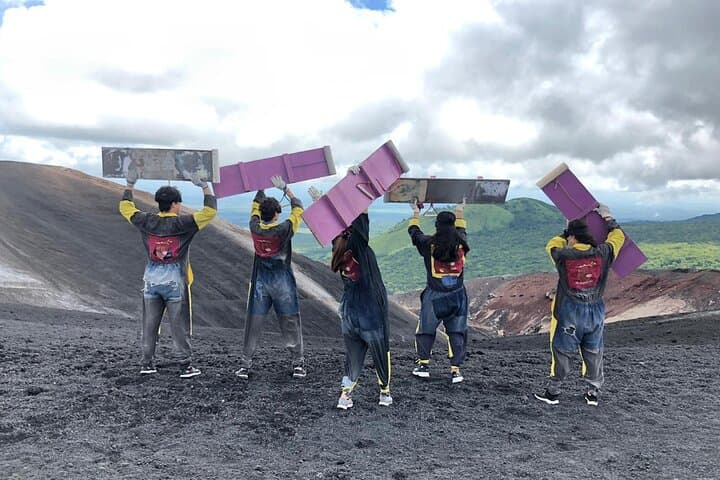
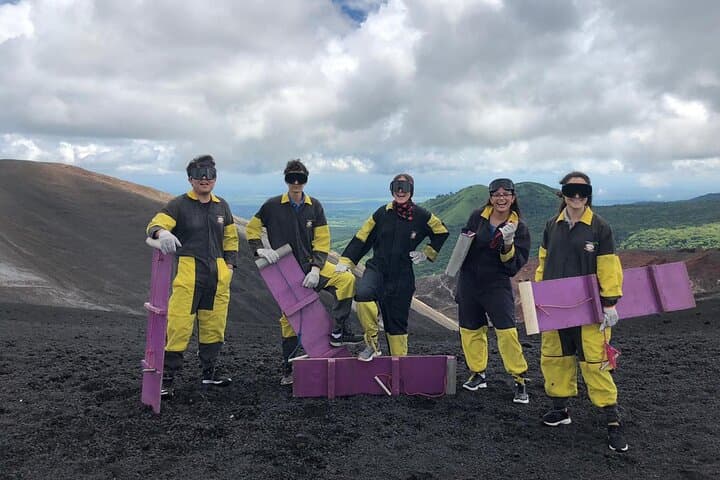
Cerro Negro is one of Nicaragua’s youngest volcanoes, with the first recorded eruption in 1850. The cone is built of basaltic tephra and angular cinders rather than soil, which makes the ascent a mix of steady steps and slipping. Locals from León have turned the dark slopes into a practical playground—sandboarding here uses rented boards and protective suits provided by operators, reflecting a culture that respects the volcano’s energy while making it accessible.
Expect sharp, shifting terrain and strong sun. Practical guidance: wear sturdy closed-toe shoes, long sleeves to block wind-blown grit, and carry 1–2 liters of water. The vertical gain is modest but on loose ground—good cardio and stable ankles matter. Tours include transfer, safety briefing, and equipment; mornings and late afternoons offer cooler conditions and softer light for photos. Follow the guide, stay on marked tracks to limit erosion, and rinse gear after to remove abrasive ash.
moderate.
4–6 hours.
Moderate cardiovascular fitness and stable ankles recommended; short steep sections on loose terrain
No—operators equip participants with boards, suits and goggles and provide a safety briefing; beginners can descend seated or standing under guidance.
Yes—most tours include hotel pickup/drop-off from León, transport, a board, protective suit, gloves and goggles.
Not recommended for pregnant travelers, people with spinal or serious cardiovascular conditions, or those unable to manage a 45–75 minute uphill walk on loose terrain.
Early morning or late afternoon for cooler temperatures, softer light and typically lighter winds on the slope.
Cerro Negro first emerged in 1850 and remains one of Nicaragua’s youngest and most frequently active cones, its repeated eruptions building the dark scoria slopes.
Stick to established routes and follow guides—loose volcanic ash and cinder are slow to revegetate, so limiting foot traffic helps preserve the landscape.
El Perezoso operates guided outdoor trips and adventures with an emphasis on safety, stewardship, and memorable experiences.
From the dirt road outside León the black cone of Cerro Negro rises like a fresh wound on the landscape—sharp scoria and matte ash cutting a clean silhouette against the sky. Guides meet at city hotels for a 45–60 minute 4WD transfer, then lead a 45–75 minute climb up loose volcanic scree to the crater rim. At the top the Pacific horizon opens and the city’s colonial roofs lie small below; wind dares to toss grit across the crater as you prepare to board.
From the dirt road outside León the black cone of Cerro Negro rises like a fresh wound on the landscape—sharp scoria and matte ash cutting a clean silhouette against the sky. Guides meet at city hotels for a 45–60 minute 4WD transfer, then lead a 45–75 minute climb up loose volcanic scree to the crater rim. At the top the Pacific horizon opens and the city’s colonial roofs lie small below; wind dares to toss grit across the crater as you prepare to board.
Cerro Negro is one of Nicaragua’s youngest volcanoes, with the first recorded eruption in 1850. The cone is built of basaltic tephra and angular cinders rather than soil, which makes the ascent a mix of steady steps and slipping. Locals from León have turned the dark slopes into a practical playground—sandboarding here uses rented boards and protective suits provided by operators, reflecting a culture that respects the volcano’s energy while making it accessible.
Expect sharp, shifting terrain and strong sun. Practical guidance: wear sturdy closed-toe shoes, long sleeves to block wind-blown grit, and carry 1–2 liters of water. The vertical gain is modest but on loose ground—good cardio and stable ankles matter. Tours include transfer, safety briefing, and equipment; mornings and late afternoons offer cooler conditions and softer light for photos. Follow the guide, stay on marked tracks to limit erosion, and rinse gear after to remove abrasive ash.