THE ADVENTURE COLLECTIVE® · Independent discovery and booking for outdoor travel

Scale the youngest active volcano in the Western Hemisphere on a private shore excursion from Corinto. Hike a steep ash cone, learn local volcanic history, then speed down by sandboard for a thrilling descent.
Scale the youngest active volcano in the Western Hemisphere on a private shore excursion from Corinto. Hike a steep ash cone, learn local volcanic history, then speed down by sandboard for a thrilling descent.
A wind-edged trail opens onto a black flank that seems to drink the light. From the port at Corinto you roll inland toward Cerro Negro, the youngest active volcano in the Western Hemisphere, its flank a fresh scar of volcanic ash and cinder that challenges balance and rewards audacity.
Verified experiences and guided adventures in the surrounding area.
Operated by Top Private Tours · León, León Department
A wind-edged trail opens onto a black flank that seems to drink the light. From the port at Corinto you roll inland toward Cerro Negro, the youngest active volcano in the Western Hemisphere, its flank a fresh scar of volcanic ash and cinder that challenges balance and rewards audacity.
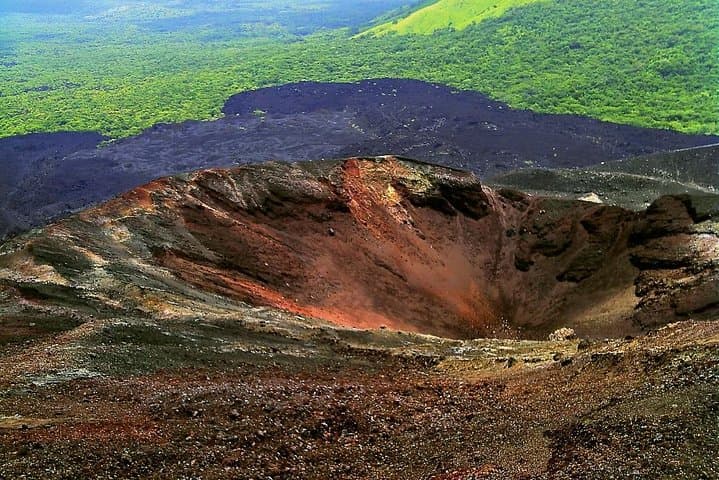
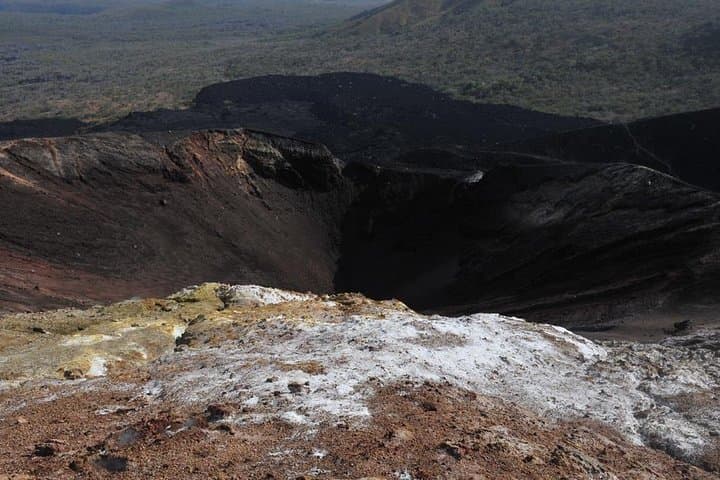
The volcanic cone rose within the Maribios chain during the 19th century and has built itself by repeated Strombolian eruptions; the dark slopes are mostly loose tephra and ash rather than consolidated rock, which is why the descent is as famous as the climb. Local guides—often bilingual—talk about eruptions that reshaped farmland and the way pyroclastic flows can rewrite a ridge overnight.
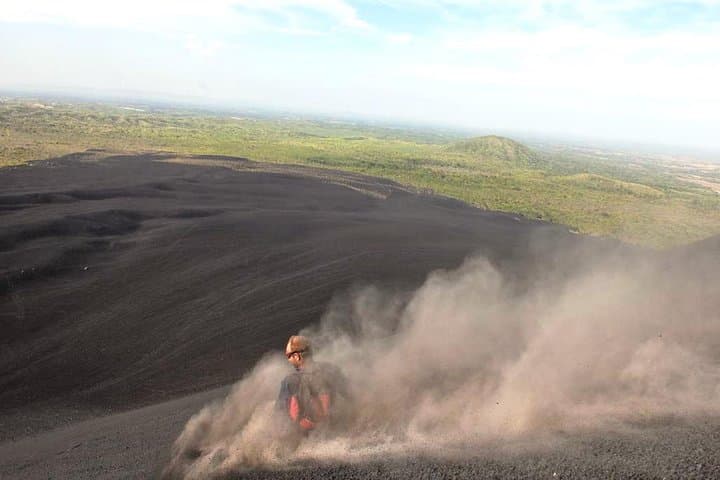
Culturally the route passes small agricultural plots and grazing fields; expect to see farm workers and rural homesteads where volcanic soil supports coffee and basic crops. Geologically, Cerro Negro’s slope angle and loose grains make it ideal for sandboarding: riders slide down on a layer of cooled ash like a black beach.
Practical notes: the round-trip from Corinto or León is a half-day affair (plan for early start). Wear stiff-soled hiking shoes, bring sun protection, and carry at least 1–2 liters of water. The climb is steep but short—moderate fitness required—and the descent can be fast and dusty; guides provide boards and safety briefing. Avoid rainy-season visits when the ash becomes slick. Leave no trace: these fragile slopes recover slowly, so stick to established paths and follow your guide’s instructions.
moderate.
6–8 hours.
Moderate fitness required: comfortable with steep, sustained uphill walking and quick, controlled descents.
Yes—most operators include sandboarding as an option; guides provide equipment and a brief lesson before the descent.
Not recommended for very young children or pregnant travelers; the climb and descent are physically demanding and can be jarring.
Expect a steep 45–90 minute ascent depending on pace, then a faster sandboard descent; overall the tour runs about 6–8 hours including transport.
Heavy rain makes the ash slopes slippery and unstable—operators may cancel in the rainy season or after sustained storms for safety.
Cerro Negro erupted repeatedly since its formation in 1850s and has reshaped local farmland; its relatively youthful cone is largely composed of loose cinder and ash.
The loose ash slopes are slow to vegetate; stay on established routes and pack out trash—recovery can take decades after heavy foot traffic.
Top Private Tours operates guided outdoor trips and adventures with an emphasis on safety, stewardship, and memorable experiences.
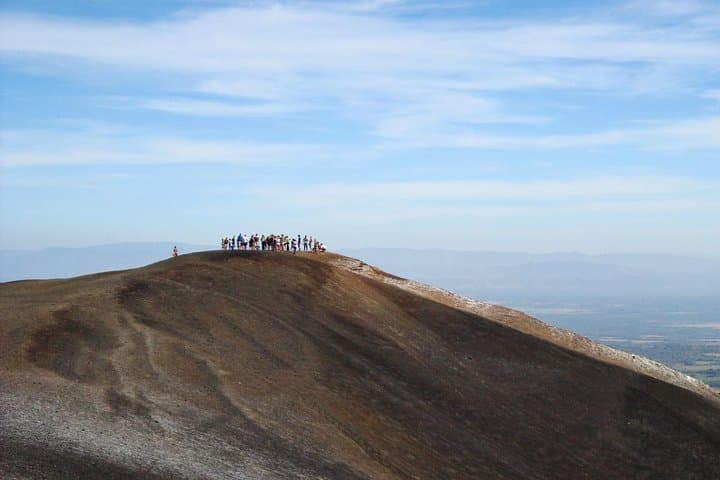
A wind-edged trail opens onto a black flank that seems to drink the light. From the port at Corinto you roll inland toward Cerro Negro, the youngest active volcano in the Western Hemisphere, its flank a fresh scar of volcanic ash and cinder that challenges balance and rewards audacity.
A wind-edged trail opens onto a black flank that seems to drink the light. From the port at Corinto you roll inland toward Cerro Negro, the youngest active volcano in the Western Hemisphere, its flank a fresh scar of volcanic ash and cinder that challenges balance and rewards audacity.
The volcanic cone rose within the Maribios chain during the 19th century and has built itself by repeated Strombolian eruptions; the dark slopes are mostly loose tephra and ash rather than consolidated rock, which is why the descent is as famous as the climb. Local guides—often bilingual—talk about eruptions that reshaped farmland and the way pyroclastic flows can rewrite a ridge overnight.
Culturally the route passes small agricultural plots and grazing fields; expect to see farm workers and rural homesteads where volcanic soil supports coffee and basic crops. Geologically, Cerro Negro’s slope angle and loose grains make it ideal for sandboarding: riders slide down on a layer of cooled ash like a black beach.
Practical notes: the round-trip from Corinto or León is a half-day affair (plan for early start). Wear stiff-soled hiking shoes, bring sun protection, and carry at least 1–2 liters of water. The climb is steep but short—moderate fitness required—and the descent can be fast and dusty; guides provide boards and safety briefing. Avoid rainy-season visits when the ash becomes slick. Leave no trace: these fragile slopes recover slowly, so stick to established paths and follow your guide’s instructions.