THE ADVENTURE COLLECTIVE® · Independent discovery and booking for outdoor travel

Climb Cerro Frías for a full day of lenga forest, steep switchbacks and wide panoramas over Lago Argentino. This 13 km trek gains about 800 m and finishes with 360° views of the Andes and Patagonian steppe.
Climb Cerro Frías for a full day of lenga forest, steep switchbacks and wide panoramas over Lago Argentino. This 13 km trek gains about 800 m and finishes with 360° views of the Andes and Patagonian steppe.
A wind-swept track rises out of the estancia yard and soon you’re pushing into a stand of lenga, the forest breathing cool, resin-scented air as you climb. The trail tightens, the slope steepens, and after an hour-and-a-half of steady effort the trees give way to open slopes: the Cordon de los Cristales cutting a jagged line across the horizon, the Sentinel River daring the valley floor below, and—if Patagonia is kind—the Torres del Paine and Fitz Roy pinpricking the far distance.
Verified experiences and guided adventures in the surrounding area.
Operated by Cerro Frias · El Calafate, Santa Cruz
A wind-swept track rises out of the estancia yard and soon you’re pushing into a stand of lenga, the forest breathing cool, resin-scented air as you climb. The trail tightens, the slope steepens, and after an hour-and-a-half of steady effort the trees give way to open slopes: the Cordon de los Cristales cutting a jagged line across the horizon, the Sentinel River daring the valley floor below, and—if Patagonia is kind—the Torres del Paine and Fitz Roy pinpricking the far distance.
Cerro Frías sits at about 1,095 m above sea level and has historic farm refuges used by early 20th-century woodcutters. Geologically the hill is part of the Andean foothills where glacial action carved broad valleys and left moraines framing Lago Argentino. Culturally the landscape carries traces of Tehuelche presence and the more recent estancia life that shaped local routes and refuges.
Expect roughly 13 km round-trip with ~800 m of ascent over varied terrain: packed dirt, rocky switchbacks and exposed ridgelines. The summit rewards you with a 360° panorama—lake arms, the Andes, and the steppe beyond—before a descent that teases new viewpoints and historic shelters.
Practical guidance: start early for stable weather, carry waterproof layers and 2–3 liters of water, and use trekking poles for the steep sections. Guided groups usually include a snack and a final quincho coffee; bring sturdy boots and a sense of patience—the weather changes fast, but the payoff at the top is unmistakable.
challenging.
8–9 hours.
Requires high aerobic fitness and endurance for sustained climbs and uneven terrain; regular hikers will cope best.
The route is physically demanding with about 800 m of ascent over 13 km; it’s strenuous but non-technical—good footwear and fitness are essential.
This full-day experience is guided and includes lunch plus a quincho snack with coffee or tea at the end of the day.
Summer offers the most stable weather and long daylight; spring and fall can be excellent but bring colder, windier conditions; winter will be cold with possible snow cover.
On clear days you can glimpse Torres del Paine and Fitz Roy from vantage points on the ascent and summit, but visibility depends on regional weather and air clarity.
Historic refuges along the route were used by early 20th-century woodcutters and estancia workers; trails follow old ranch tracks that linked supply shelters.
The fragile Patagonian steppe and alpine vegetation recover slowly from trampling—stick to established trails, pack out waste and avoid disturbing wildlife.
Cerro Frias operates guided outdoor trips and adventures with an emphasis on safety, stewardship, and memorable experiences.

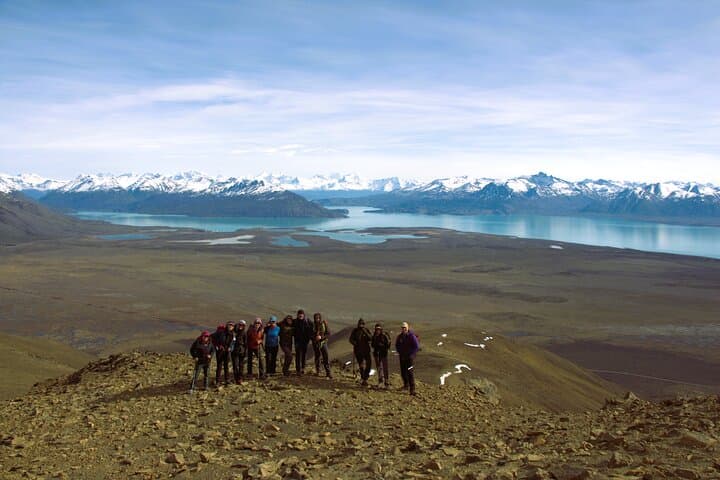
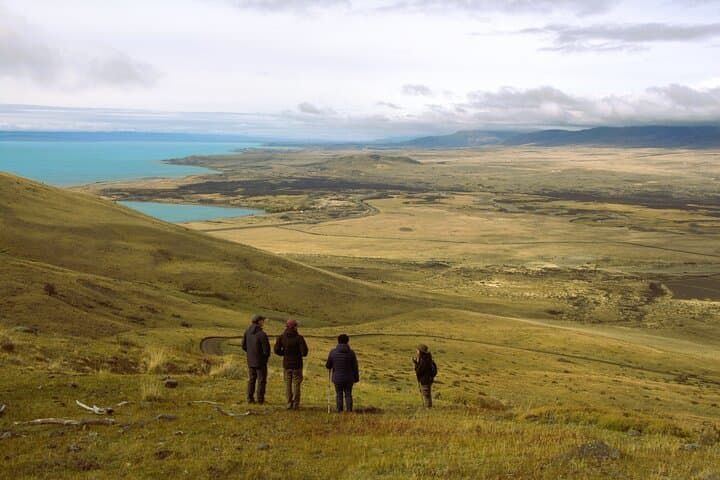
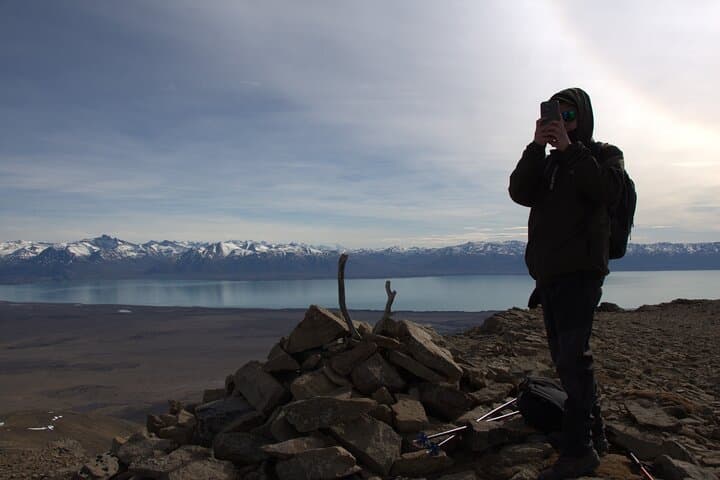
A wind-swept track rises out of the estancia yard and soon you’re pushing into a stand of lenga, the forest breathing cool, resin-scented air as you climb. The trail tightens, the slope steepens, and after an hour-and-a-half of steady effort the trees give way to open slopes: the Cordon de los Cristales cutting a jagged line across the horizon, the Sentinel River daring the valley floor below, and—if Patagonia is kind—the Torres del Paine and Fitz Roy pinpricking the far distance.
A wind-swept track rises out of the estancia yard and soon you’re pushing into a stand of lenga, the forest breathing cool, resin-scented air as you climb. The trail tightens, the slope steepens, and after an hour-and-a-half of steady effort the trees give way to open slopes: the Cordon de los Cristales cutting a jagged line across the horizon, the Sentinel River daring the valley floor below, and—if Patagonia is kind—the Torres del Paine and Fitz Roy pinpricking the far distance.
Cerro Frías sits at about 1,095 m above sea level and has historic farm refuges used by early 20th-century woodcutters. Geologically the hill is part of the Andean foothills where glacial action carved broad valleys and left moraines framing Lago Argentino. Culturally the landscape carries traces of Tehuelche presence and the more recent estancia life that shaped local routes and refuges.
Expect roughly 13 km round-trip with ~800 m of ascent over varied terrain: packed dirt, rocky switchbacks and exposed ridgelines. The summit rewards you with a 360° panorama—lake arms, the Andes, and the steppe beyond—before a descent that teases new viewpoints and historic shelters.
Practical guidance: start early for stable weather, carry waterproof layers and 2–3 liters of water, and use trekking poles for the steep sections. Guided groups usually include a snack and a final quincho coffee; bring sturdy boots and a sense of patience—the weather changes fast, but the payoff at the top is unmistakable.