THE ADVENTURE COLLECTIVE® · Independent discovery and booking for outdoor travel

A short transfer from Bariloche delivers you to Cerro Catedral’s vast slopes and high ridgelines. Whether you visit in winter for groomed runs or summer for mountain biking and hiking, expect sweeping lake views, well-developed services, and varied terrain.
A short transfer from Bariloche delivers you to Cerro Catedral’s vast slopes and high ridgelines. Whether you visit in winter for groomed runs or summer for mountain biking and hiking, expect sweeping lake views, well-developed services, and varied terrain.
You step off the shuttle into thin, cold air and a line of chairlifts humming uphill — Cerro Catedral announces itself with wind-swept ridgelines and open slopes that push your gaze across Nahuel Huapi and Gutiérrez lakes. Chairlifts rotate like clockwork; skiers weave down groomed runs while summer riders queue at the Bike Park. The mountain’s granite spines and patches of lenga forest give texture to every viewpoint.
Verified experiences and guided adventures in the surrounding area.
Operated by RipioTurismo · San Carlos de Bariloche, Río Negro
You step off the shuttle into thin, cold air and a line of chairlifts humming uphill — Cerro Catedral announces itself with wind-swept ridgelines and open slopes that push your gaze across Nahuel Huapi and Gutiérrez lakes. Chairlifts rotate like clockwork; skiers weave down groomed runs while summer riders queue at the Bike Park. The mountain’s granite spines and patches of lenga forest give texture to every viewpoint.
Geologically, Catedral is a glacially sculpted granite massif at roughly 2,388 m elevation, carved by ice that left bowl-shaped amphitheaters and moraines used today as ski runs and summer trails. The resort grew through the 20th century into the largest winter-sports hub in the Southern Hemisphere — today it spans about 120 km of marked slopes over roughly 600 hectares served by 34 lifts. Local culture blends Andean Patagonian cuisine with outdoor service: mountain refuges, rental shops, and bilingual instructors are all standard.
For a day visit from Bariloche expect a roughly 40–60 minute transfer, three hours on-site for a guided loop or self-guided exploration, and terrain that ranges from packed groomers and intermediate runs to rocky high trails and technical bike descents. In winter, layering and sunscreen are essential; in summer, bring hydration and traction for steep singletrack. Cars and motorbikes are restricted on key pedestrian stretches — the mountain favors foot, ski, and pedal power. Whether you arrive to ski, bike, or hike, plan around lift schedules, check snow or trail reports, and allow time to absorb the expanding lake-and-peak panoramas.
moderate.
3 hours.
Suitable for those with basic aerobic fitness; winter activities may require stronger legs and balance for skiing/snowboarding.
Most transfers take about 40–60 minutes depending on traffic and pickup location in Bariloche.
Yes — the resort operates winter ski seasons with full lift service and summer months offering hiking, biking, and other activities, though some lifts may be seasonal.
You can bring your own gear, but most visitors rent skis, snowboards, and boots on-site or in Bariloche; pre-book rentals during high season to ensure availability.
Yes — several refugios and cafeterias operate on the slopes with hot meals and snacks; availability increases in peak winter and summer months.
The resort developed through the 20th century into Argentina’s premier ski area and sits within the cultural landscape of Nahuel Huapi, a national park established in 1934.
The mountain enforces vehicle restrictions in pedestrian areas and promotes trail stewardship; visitors should pack out trash and stick to marked routes to protect fragile alpine vegetation.
RipioTurismo operates guided outdoor trips and adventures with an emphasis on safety, stewardship, and memorable experiences.
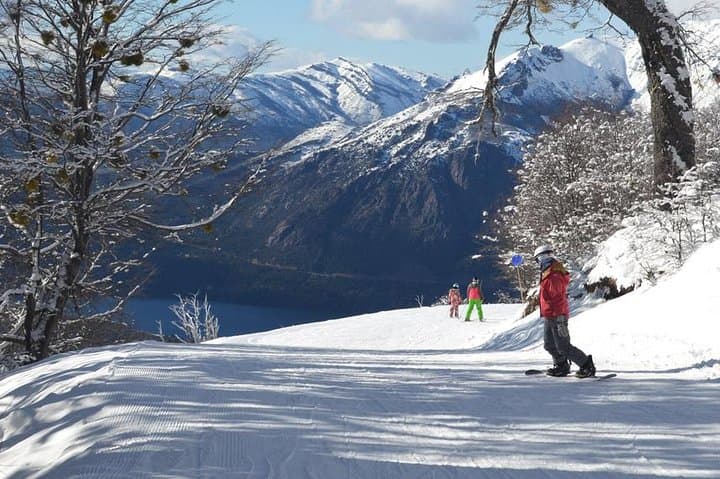
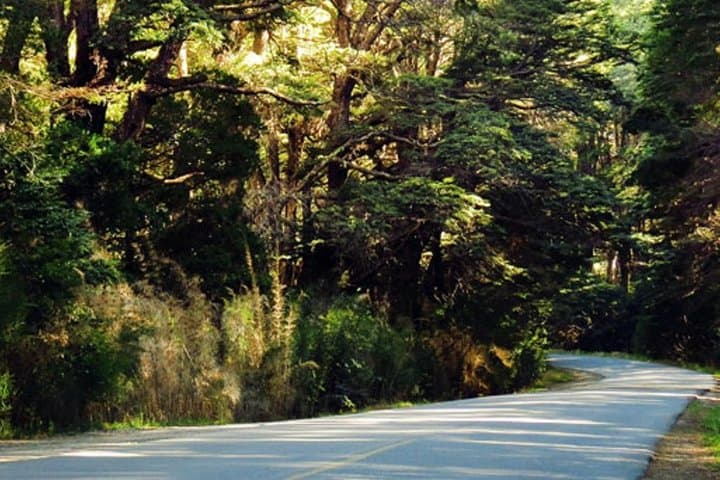
You step off the shuttle into thin, cold air and a line of chairlifts humming uphill — Cerro Catedral announces itself with wind-swept ridgelines and open slopes that push your gaze across Nahuel Huapi and Gutiérrez lakes. Chairlifts rotate like clockwork; skiers weave down groomed runs while summer riders queue at the Bike Park. The mountain’s granite spines and patches of lenga forest give texture to every viewpoint.
You step off the shuttle into thin, cold air and a line of chairlifts humming uphill — Cerro Catedral announces itself with wind-swept ridgelines and open slopes that push your gaze across Nahuel Huapi and Gutiérrez lakes. Chairlifts rotate like clockwork; skiers weave down groomed runs while summer riders queue at the Bike Park. The mountain’s granite spines and patches of lenga forest give texture to every viewpoint.
Geologically, Catedral is a glacially sculpted granite massif at roughly 2,388 m elevation, carved by ice that left bowl-shaped amphitheaters and moraines used today as ski runs and summer trails. The resort grew through the 20th century into the largest winter-sports hub in the Southern Hemisphere — today it spans about 120 km of marked slopes over roughly 600 hectares served by 34 lifts. Local culture blends Andean Patagonian cuisine with outdoor service: mountain refuges, rental shops, and bilingual instructors are all standard.
For a day visit from Bariloche expect a roughly 40–60 minute transfer, three hours on-site for a guided loop or self-guided exploration, and terrain that ranges from packed groomers and intermediate runs to rocky high trails and technical bike descents. In winter, layering and sunscreen are essential; in summer, bring hydration and traction for steep singletrack. Cars and motorbikes are restricted on key pedestrian stretches — the mountain favors foot, ski, and pedal power. Whether you arrive to ski, bike, or hike, plan around lift schedules, check snow or trail reports, and allow time to absorb the expanding lake-and-peak panoramas.