THE ADVENTURE COLLECTIVE® · Independent discovery and booking for outdoor travel

Spend a half day in Cerro Blanco, a Tumbesian dry forest reserve just outside Guayaquil, tracing trails with a bilingual guide to find endemic birds and unique dry-forest plants. Morning departures maximize sightings and cooler conditions.
Spend a half day in Cerro Blanco, a Tumbesian dry forest reserve just outside Guayaquil, tracing trails with a bilingual guide to find endemic birds and unique dry-forest plants. Morning departures maximize sightings and cooler conditions.
Dawn in Cerro Blanco arrives like a slow exhale: light pours over the low ridges, and the dry tropical forest wakes with calls that ricochet through thorny shrub and tall deciduous trees.
Verified experiences and guided adventures in the surrounding area.
Operated by BM TOURS SA · Guayaquil, Guayas
Dawn in Cerro Blanco arrives like a slow exhale: light pours over the low ridges, and the dry tropical forest wakes with calls that ricochet through thorny shrub and tall deciduous trees.
This half-day tour sends you 15 minutes from Guayaquil into one of the Tumbesian region's 30 priority bird-conservation sites. The forest sits on the western slopes of the Chongón-Colonche range; its soils are shallow, its slopes low, and its geology—ancient sedimentary outcrops—creates pockets where endemic plants have taken hold. Local communities have long used the forest for seasonal firewood and medicinal plants, but conservation efforts in recent decades have focused on protecting species unique to southwest Ecuador.
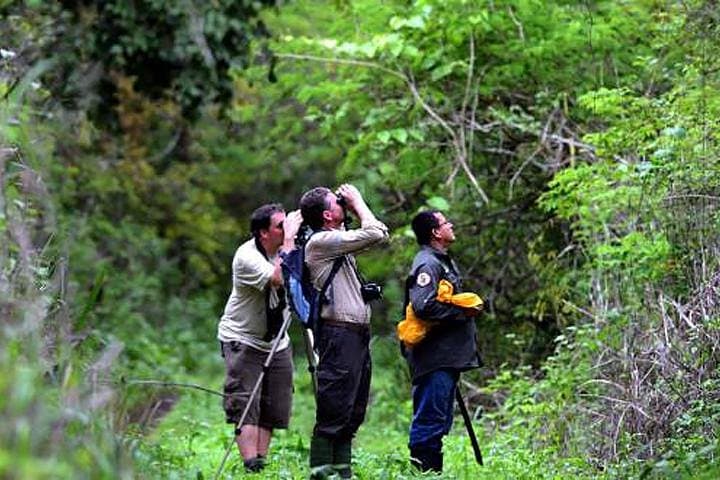
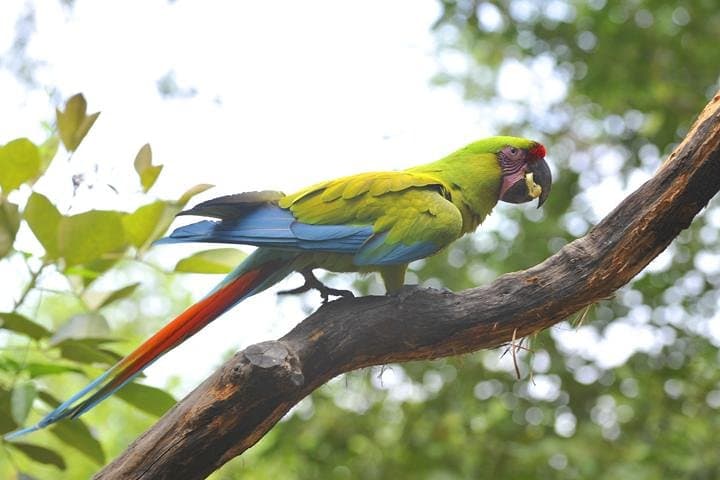
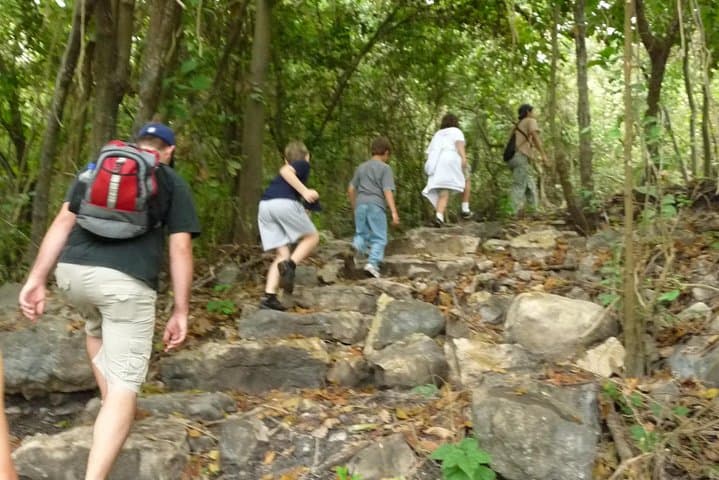
On trail you'll move along 3–5 km of mostly flat to rolling paths with occasional rocky or rooty sections and about 100 m cumulative elevation change. Guides point out Tumbes sparrows, vermilion flycatchers, and dry-forest specialists; you may catch flickers of endemic flora that cling to the drier ridgelines. Birds lead the day: their calls tease you into silent observation, and the guide translates the forest’s language.
Practical notes: tours are private, bilingual, and include hotel pickup; mornings are best for bird activity and cooler temperatures. Wear comfortable, closed-toe shoes, bring binoculars, insect repellent, sun protection, and 1–2 liters of water. Respect quiet zones, keep distance from nests, and follow your guide’s path to minimize disturbance. Cerro Blanco offers concentrated wildlife viewing a short drive from Guayaquil—an accessible half-day that rewards preparation and patience.
easy.
5 hours.
Suitable for most fitness levels; expect a few hours of walking on uneven forest trails.
Expect 3–5 km of walking over mostly flat to gently rolling terrain with about 100 m cumulative elevation gain; the pace is steady but suitable for most fitness levels.
Yes—the tour provides a certified bilingual guide who can interpret bird calls and local natural history.
Yes, the tour is listed as suitable for all physical fitness levels, but those with mobility or spinal issues should consult the operator first.
Morning departures shortly after dawn are best—bird activity and cooler temperatures maximize sightings.
Cerro Blanco is part of the Chongón-Colonche mountain system; its dry forest is a remnant of a once-larger Tumbesian ecosystem and has long been used by nearby communities for timber and medicinal plants.
Cerro Blanco is a conservation priority due to high endemism; visitors are encouraged to stay on trails, avoid disturbing wildlife, and support local guides who work on restoration and education projects.
BM TOURS SA operates guided outdoor trips and adventures with an emphasis on safety, stewardship, and memorable experiences.
Dawn in Cerro Blanco arrives like a slow exhale: light pours over the low ridges, and the dry tropical forest wakes with calls that ricochet through thorny shrub and tall deciduous trees.
Dawn in Cerro Blanco arrives like a slow exhale: light pours over the low ridges, and the dry tropical forest wakes with calls that ricochet through thorny shrub and tall deciduous trees.
This half-day tour sends you 15 minutes from Guayaquil into one of the Tumbesian region's 30 priority bird-conservation sites. The forest sits on the western slopes of the Chongón-Colonche range; its soils are shallow, its slopes low, and its geology—ancient sedimentary outcrops—creates pockets where endemic plants have taken hold. Local communities have long used the forest for seasonal firewood and medicinal plants, but conservation efforts in recent decades have focused on protecting species unique to southwest Ecuador.
On trail you'll move along 3–5 km of mostly flat to rolling paths with occasional rocky or rooty sections and about 100 m cumulative elevation change. Guides point out Tumbes sparrows, vermilion flycatchers, and dry-forest specialists; you may catch flickers of endemic flora that cling to the drier ridgelines. Birds lead the day: their calls tease you into silent observation, and the guide translates the forest’s language.
Practical notes: tours are private, bilingual, and include hotel pickup; mornings are best for bird activity and cooler temperatures. Wear comfortable, closed-toe shoes, bring binoculars, insect repellent, sun protection, and 1–2 liters of water. Respect quiet zones, keep distance from nests, and follow your guide’s path to minimize disturbance. Cerro Blanco offers concentrated wildlife viewing a short drive from Guayaquil—an accessible half-day that rewards preparation and patience.