THE ADVENTURE COLLECTIVE® · Independent discovery and booking for outdoor travel

Walk through 300-year-old olive trees in Castilla‑La‑Mancha, learn organic farming practices, and develop your palate in a hands-on Cornicabra olive oil tasting paired with Manchego and estate wine. Practical, sensory, and rooted in local agricultural history.
Walk through 300-year-old olive trees in Castilla‑La‑Mancha, learn organic farming practices, and develop your palate in a hands-on Cornicabra olive oil tasting paired with Manchego and estate wine. Practical, sensory, and rooted in local agricultural history.
You step under a low canopy of grey-green leaves and the air smells of sun-warmed fruit and dry earth—olive trees with trunks as wide as a car loom like weathered guardship across the field.
Verified experiences and guided adventures in the surrounding area.
Operated by Proyecto Los Aires · Toledo, Castilla-La-Mancha
You step under a low canopy of grey-green leaves and the air smells of sun-warmed fruit and dry earth—olive trees with trunks as wide as a car loom like weathered guardship across the field.
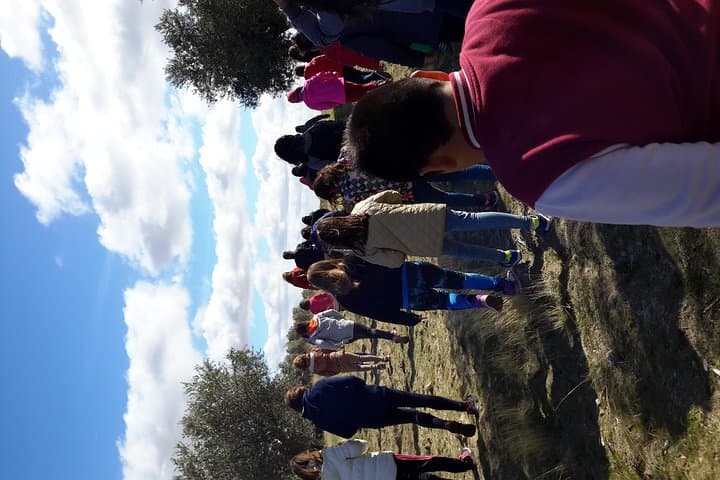
The walk begins among trees that have been pruned and watched for three centuries; guides explain how olive cultivation shaped local life in Castilla‑La‑Mancha, from Roman planting routes to medieval estate systems. Geologically the terrain is gentle rolling limestone and clay, quick-draining soils that favor the cornicabra variety—thicker-skinned fruit that yields pungent, peppery extra virgin olive oil. The guide ties farming notes to culture: how local shepherding and Manchego cheese complement oil on the table, and why family-run presses still matter to taste.
The tasting course teaches you to read oil like wine—aromas, mouthfeel, and the telltale bitterness or pepper that signals fresh polyphenols. You’ll sample multiple harvests, learn label cues (acidity, harvest date, designation), then sit to taste homemade Manchego, tomato-rubbed bread, and a glass of estate wine.
Practical edge: allow two hours, wear closed-toe shoes for uneven field paths, and bring a refillable water bottle and sun protection. Expect light walking on compacted dirt with short slopes; the pace is relaxed but informative. Book in advance during harvest weeks (Oct–Dec) for the most active mill demonstrations, and ask about purchasing bottles directly—small producers often sell freshest stock on site.
easy.
2 hours.
Suitable for most fitness levels; involves short, gentle walks on compacted soil and occasional low steps.
Yes—children can join the walk and sample mild oils; the pace and content are family-friendly, though tasting content is geared to adults.
Most family producers sell bottles on site, often including small-batch or freshly pressed oils not available in stores—bring cash or card but check beforehand.
Primary areas are stroller-accessible and relatively flat, but some field sections have compacted dirt; contact the operator to confirm wheelchair access for specific routes.
Tours are typically offered in Spanish and often English—check booking details and request language needs at time of reservation.
Olive cultivation in Castilla‑La‑Mancha dates back centuries and the cornicabra cultivar became locally dominant for its resilience and robust oil profile.
The grove operates organic practices that prioritize soil health and biodiversity; visitors are encouraged to avoid single-use plastics and follow paths to reduce erosion.
Proyecto Los Aires operates guided outdoor trips and adventures with an emphasis on safety, stewardship, and memorable experiences.
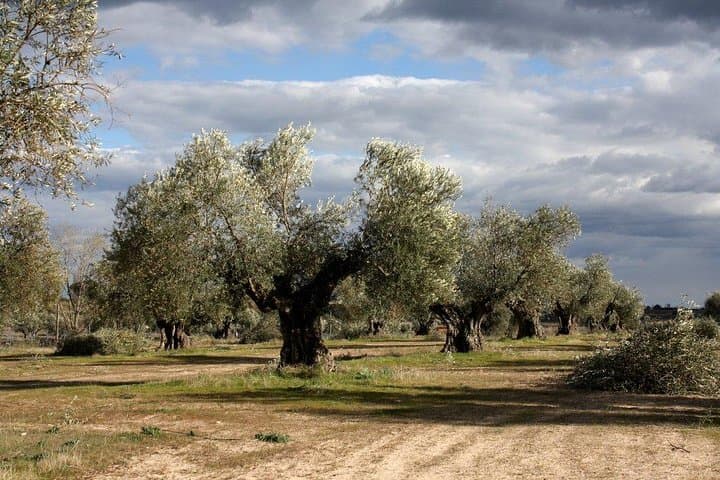
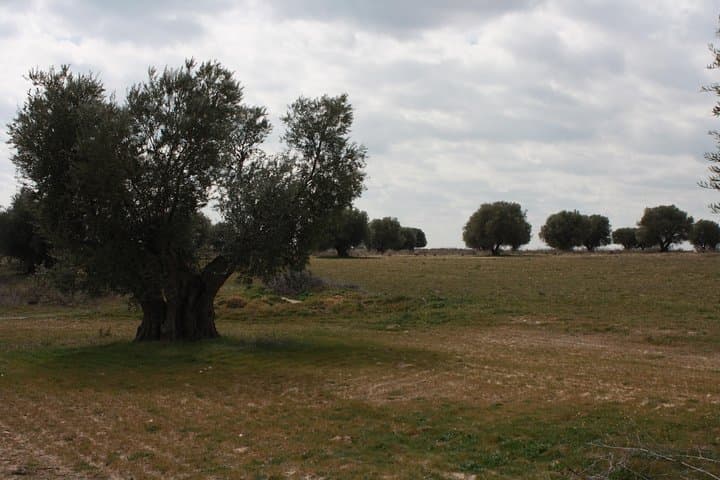
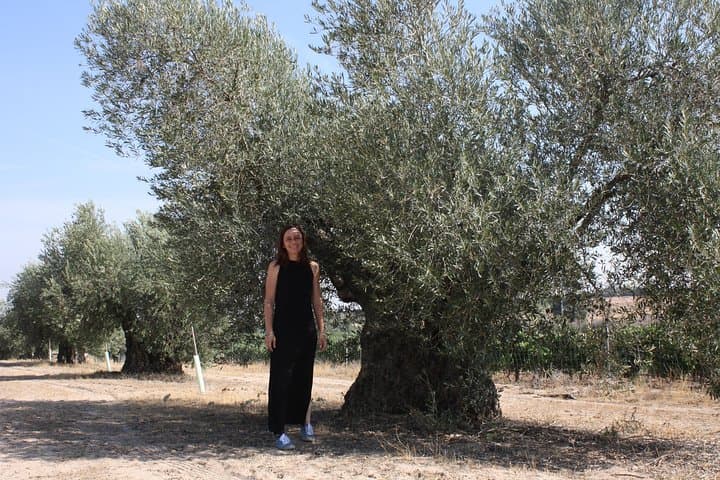
You step under a low canopy of grey-green leaves and the air smells of sun-warmed fruit and dry earth—olive trees with trunks as wide as a car loom like weathered guardship across the field.
You step under a low canopy of grey-green leaves and the air smells of sun-warmed fruit and dry earth—olive trees with trunks as wide as a car loom like weathered guardship across the field.
The walk begins among trees that have been pruned and watched for three centuries; guides explain how olive cultivation shaped local life in Castilla‑La‑Mancha, from Roman planting routes to medieval estate systems. Geologically the terrain is gentle rolling limestone and clay, quick-draining soils that favor the cornicabra variety—thicker-skinned fruit that yields pungent, peppery extra virgin olive oil. The guide ties farming notes to culture: how local shepherding and Manchego cheese complement oil on the table, and why family-run presses still matter to taste.
The tasting course teaches you to read oil like wine—aromas, mouthfeel, and the telltale bitterness or pepper that signals fresh polyphenols. You’ll sample multiple harvests, learn label cues (acidity, harvest date, designation), then sit to taste homemade Manchego, tomato-rubbed bread, and a glass of estate wine.
Practical edge: allow two hours, wear closed-toe shoes for uneven field paths, and bring a refillable water bottle and sun protection. Expect light walking on compacted dirt with short slopes; the pace is relaxed but informative. Book in advance during harvest weeks (Oct–Dec) for the most active mill demonstrations, and ask about purchasing bottles directly—small producers often sell freshest stock on site.