THE ADVENTURE COLLECTIVE® · Independent discovery and booking for outdoor travel

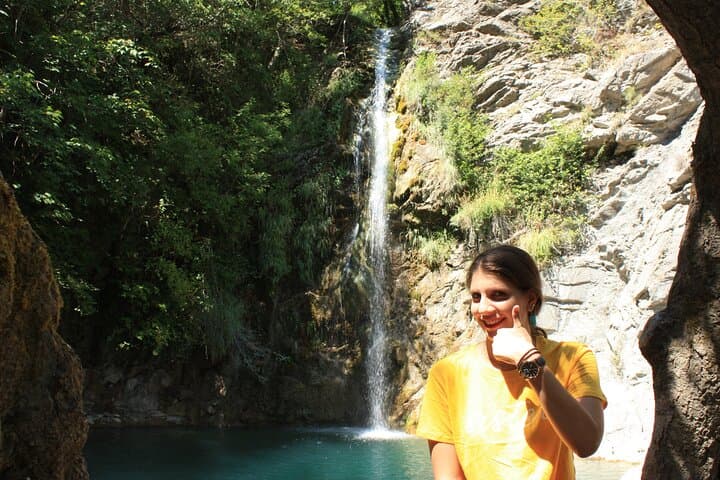
Walk 16th‑century stone bridges, descend a short trail to a 20‑meter waterfall and swim in a natural pool — all within a private day tour from Ioannina through Central Zagori’s limestone gorges.
Walk 16th‑century stone bridges, descend a short trail to a 20‑meter waterfall and swim in a natural pool — all within a private day tour from Ioannina through Central Zagori’s limestone gorges.
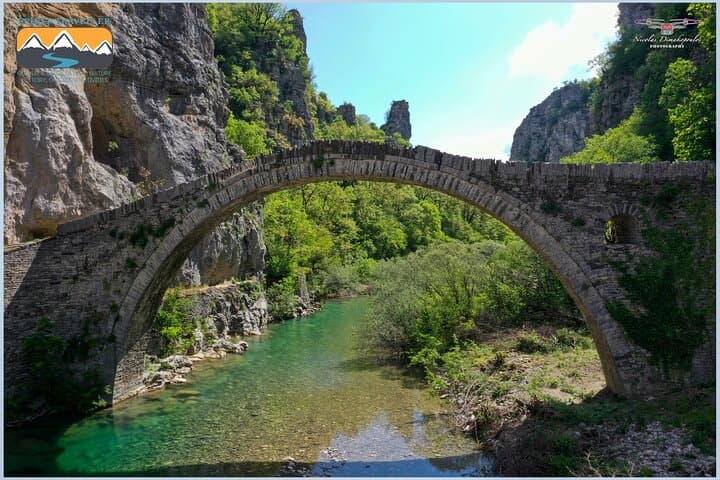
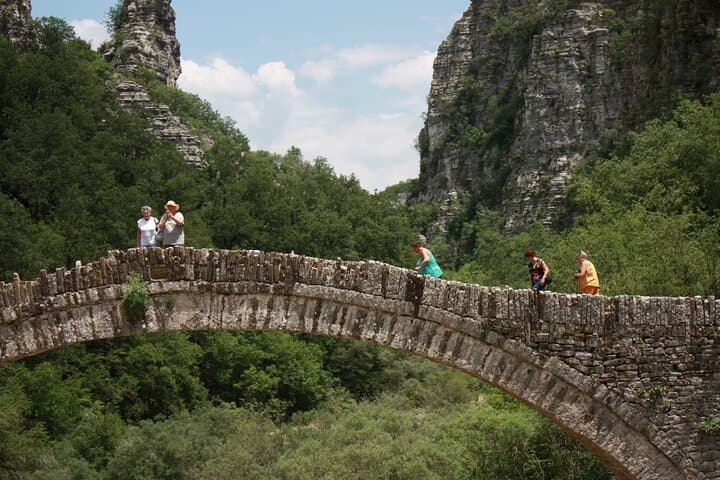
The morning light cuts between limestone cliffs as the van drops you at a 16th‑century stone bridge — a compact stage set of arches and weathered mortar. Wind teases the pines and the river below dares you to look over the parapet. This full‑day loop through Central Zagori stitches together engineered bridges, a steep stone step trail, a short hike to a 20‑meter waterfall and a living Sarakatsan open‑air museum.
Verified experiences and guided adventures in the surrounding area.
Operated by Epirus Traveller · Monodendri, Epirus
The morning light cuts between limestone cliffs as the van drops you at a 16th‑century stone bridge — a compact stage set of arches and weathered mortar. Wind teases the pines and the river below dares you to look over the parapet. This full‑day loop through Central Zagori stitches together engineered bridges, a steep stone step trail, a short hike to a 20‑meter waterfall and a living Sarakatsan open‑air museum.
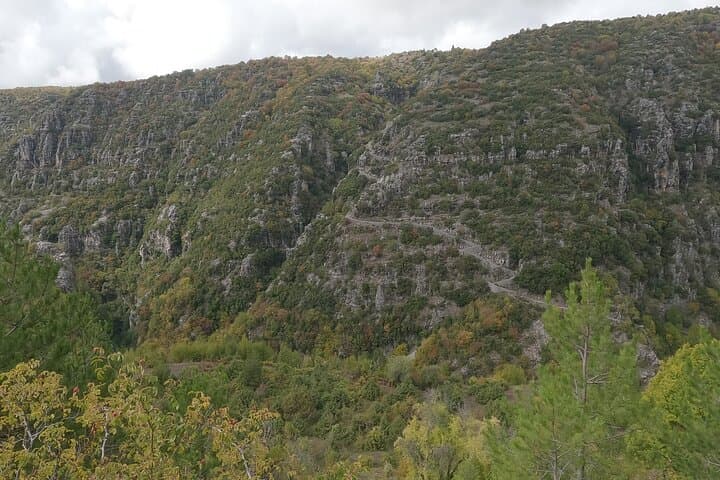
Zagori’s villages grew where shepherd routes converged; the stone steps and single‑arched bridges are practical relics of movement and trade from centuries past. Geology here is karst limestone carved into sheer gorges and natural pools; water has been the landscape’s architect. Cultural notes surface at Sarakatsaniki Stani, a reconstructed seasonal settlement that explains transhumant life in Epirus and the role of Zagorian women in wartime resilience.
Practically, the walking sections are short but can be steep: expect a 1 km round approach to the waterfall with ~15 minutes descending and ~30 minutes climbing back. Trails are rocky; proper footwear matters. Swimming in the natural pool is the reward — the current is playful but cold. The tour provides private transport, bottled water, photos and optional hiking poles, and finishes with viewpoint stops and a statue honoring Zagorian women.
Plan for variable microclimates: morning shade in the gorge, strong sun on exposed trail links. Bring swim gear, quick‑dry layers and a small daypack. Timing mid‑morning to late afternoon gives the best light for photos and the warmest water temps in summer.
easy.
6 hours.
Suitable for travelers in regular physical condition; contains short steep descents/ascents but no technical climbing
Yes — swimming at the natural pool is part of the itinerary; the guide times the visit for safe access but water is cold and currents can be present, so assess comfort level before entering.
Hikes are short (the waterfall approach is ~1 km with 15 minutes down, 30 minutes up) and non‑technical, appropriate for most fitness levels.
Yes — photos and videos are listed in the inclusions and typically delivered after the tour.
Private transportation is included; confirm pickup point and any special transfer requirements when booking.
Zagori’s stone bridges and stairways date to Ottoman‑era commerce and shepherding routes; many villages preserved architecture tied to transhumant pastoral life.
The Dobrinovo/Iliohori valley is sensitive karst terrain — stick to trails, avoid soaps in pools and pack out waste to protect water quality and endemic flora.
Epirus Traveller operates guided outdoor trips and adventures with an emphasis on safety, stewardship, and memorable experiences.
The morning light cuts between limestone cliffs as the van drops you at a 16th‑century stone bridge — a compact stage set of arches and weathered mortar. Wind teases the pines and the river below dares you to look over the parapet. This full‑day loop through Central Zagori stitches together engineered bridges, a steep stone step trail, a short hike to a 20‑meter waterfall and a living Sarakatsan open‑air museum.
The morning light cuts between limestone cliffs as the van drops you at a 16th‑century stone bridge — a compact stage set of arches and weathered mortar. Wind teases the pines and the river below dares you to look over the parapet. This full‑day loop through Central Zagori stitches together engineered bridges, a steep stone step trail, a short hike to a 20‑meter waterfall and a living Sarakatsan open‑air museum.
Zagori’s villages grew where shepherd routes converged; the stone steps and single‑arched bridges are practical relics of movement and trade from centuries past. Geology here is karst limestone carved into sheer gorges and natural pools; water has been the landscape’s architect. Cultural notes surface at Sarakatsaniki Stani, a reconstructed seasonal settlement that explains transhumant life in Epirus and the role of Zagorian women in wartime resilience.
Practically, the walking sections are short but can be steep: expect a 1 km round approach to the waterfall with ~15 minutes descending and ~30 minutes climbing back. Trails are rocky; proper footwear matters. Swimming in the natural pool is the reward — the current is playful but cold. The tour provides private transport, bottled water, photos and optional hiking poles, and finishes with viewpoint stops and a statue honoring Zagorian women.
Plan for variable microclimates: morning shade in the gorge, strong sun on exposed trail links. Bring swim gear, quick‑dry layers and a small daypack. Timing mid‑morning to late afternoon gives the best light for photos and the warmest water temps in summer.