THE ADVENTURE COLLECTIVE® · Independent discovery and booking for outdoor travel

Explore Central Park Zoo in a single urban loop: penguins, sea lions, snow monkeys, and a kid-focused petting area, plus one visit to the 4‑D Theater. This guide covers what to expect, timing, accessibility, and practical tips to make the most of a 60–120 minute visit.
Explore Central Park Zoo in a single urban loop: penguins, sea lions, snow monkeys, and a kid-focused petting area, plus one visit to the 4‑D Theater. This guide covers what to expect, timing, accessibility, and practical tips to make the most of a 60–120 minute visit.
You turn off the city streets and a different rhythm takes over: footsteps on brick, the low chatter of children, and the occasional bark of a sea lion echoing from its pool. Central Park Zoo compresses wild places into city blocks—Polar Circle chill against Tropic Zone humidity, and a compact penguin colony that moves like clockwork. A single visit can take you from snow monkeys to playful sea lions and a hands-on moment at the Tisch Children’s Zoo.
Verified experiences and guided adventures in the surrounding area.
Operated by Wildlife Conservation Society · New York, New York
You turn off the city streets and a different rhythm takes over: footsteps on brick, the low chatter of children, and the occasional bark of a sea lion echoing from its pool. Central Park Zoo compresses wild places into city blocks—Polar Circle chill against Tropic Zone humidity, and a compact penguin colony that moves like clockwork. A single visit can take you from snow monkeys to playful sea lions and a hands-on moment at the Tisch Children’s Zoo.
The site traces back to the 19th-century Central Park menagerie; the modern zoo was reshaped through 20th-century reforms and a major renovation in the late 1980s to prioritize naturalistic enclosures and visitor flow. The zoo occupies a geologic patch of Manhattan schist and landscaped fills within the park, and its design reflects changing attitudes toward animal care and urban conservation. Locals treat it as both a family stop and a compact lesson in species adaptations.
Practical notes: admission covers the Main Zoo, Tisch Children’s Zoo, and one 4-D Theater showing. Hours typically start at 10:00 AM with last entry 30 minutes before close; plan 60–120 minutes to move through exhibits without rushing. Tickets are mobile-friendly but each barcode scans once. Peak crowds arrive midday and on weekends—mornings are quieter. Accessibility is good for strollers and wheelchairs; restrooms and concessions are nearby. Bring a light jacket for the Polar Circle, and a small daypack for snacks and water. Check centralparkzoo.com before you go for exhibit availability and any schedule updates.
easy.
1–2 hours.
Suitable for all fitness levels; mostly paved walking with short elevation changes
Most visitors spend 60–120 minutes exploring the Main Zoo, Tisch Children’s Zoo, and catching one 4‑D Theater showing.
Tickets are mobile- or paper-friendly but each barcode allows one scan only; the first valid scan voids the voucher.
Yes—paths and exhibits are accessible and the venue notes wheelchair and stroller access throughout.
Small snacks for children are common, but full picnics are better suited to other areas of Central Park; use on-site concessions and check zoo policies on arrival.
The zoo evolved from Central Park’s 19th-century menagerie and was rebuilt in the late 20th century to emphasize naturalistic exhibits and modern animal care.
The zoo focuses on education and species-appropriate habitats and participates in urban wildlife outreach and conservation messaging to connect visitors with broader protection efforts.
Wildlife Conservation Society operates guided outdoor trips and adventures with an emphasis on safety, stewardship, and memorable experiences.
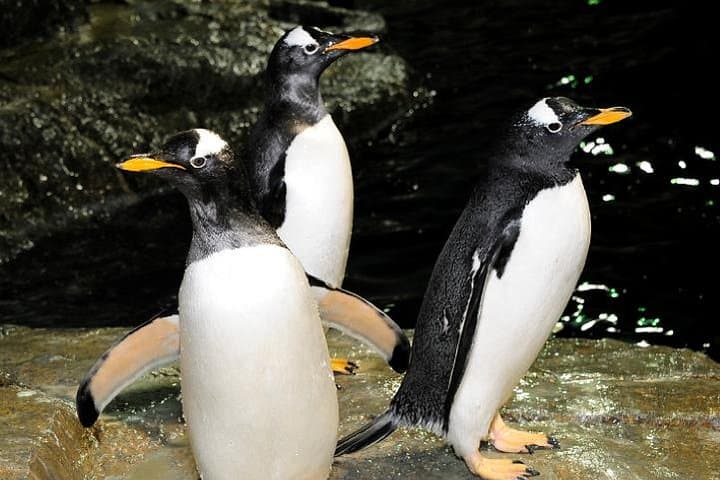
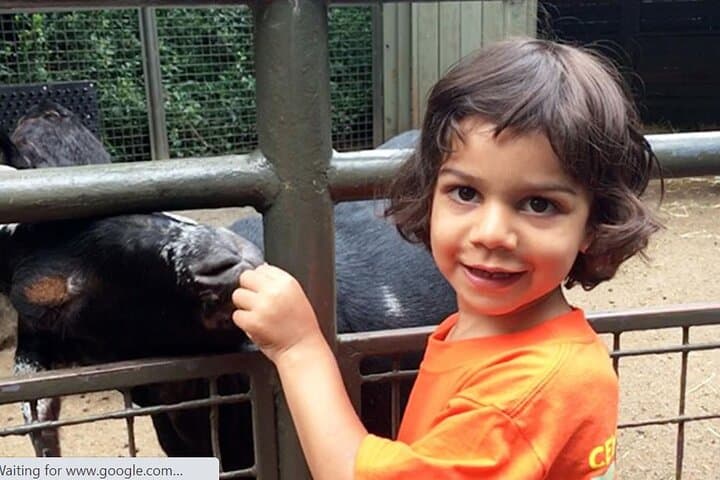
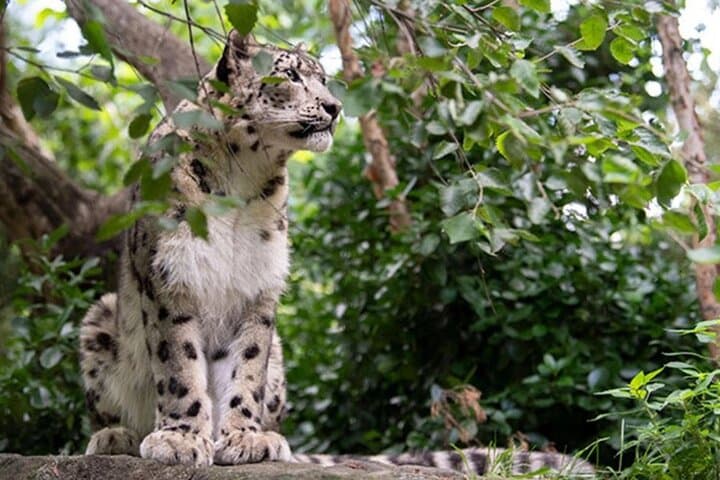

You turn off the city streets and a different rhythm takes over: footsteps on brick, the low chatter of children, and the occasional bark of a sea lion echoing from its pool. Central Park Zoo compresses wild places into city blocks—Polar Circle chill against Tropic Zone humidity, and a compact penguin colony that moves like clockwork. A single visit can take you from snow monkeys to playful sea lions and a hands-on moment at the Tisch Children’s Zoo.
You turn off the city streets and a different rhythm takes over: footsteps on brick, the low chatter of children, and the occasional bark of a sea lion echoing from its pool. Central Park Zoo compresses wild places into city blocks—Polar Circle chill against Tropic Zone humidity, and a compact penguin colony that moves like clockwork. A single visit can take you from snow monkeys to playful sea lions and a hands-on moment at the Tisch Children’s Zoo.
The site traces back to the 19th-century Central Park menagerie; the modern zoo was reshaped through 20th-century reforms and a major renovation in the late 1980s to prioritize naturalistic enclosures and visitor flow. The zoo occupies a geologic patch of Manhattan schist and landscaped fills within the park, and its design reflects changing attitudes toward animal care and urban conservation. Locals treat it as both a family stop and a compact lesson in species adaptations.
Practical notes: admission covers the Main Zoo, Tisch Children’s Zoo, and one 4-D Theater showing. Hours typically start at 10:00 AM with last entry 30 minutes before close; plan 60–120 minutes to move through exhibits without rushing. Tickets are mobile-friendly but each barcode scans once. Peak crowds arrive midday and on weekends—mornings are quieter. Accessibility is good for strollers and wheelchairs; restrooms and concessions are nearby. Bring a light jacket for the Polar Circle, and a small daypack for snacks and water. Check centralparkzoo.com before you go for exhibit availability and any schedule updates.