THE ADVENTURE COLLECTIVE® · Independent discovery and booking for outdoor travel

Explore Central Park with an expert guide who traces the park’s 19th‑century design through ponds, rock outcrops, and quiet terraces. This 2–3 hour shared walk blends history, geology, and local stories with practical tips for timing, footwear, and sightlines.
Explore Central Park with an expert guide who traces the park’s 19th‑century design through ponds, rock outcrops, and quiet terraces. This 2–3 hour shared walk blends history, geology, and local stories with practical tips for timing, footwear, and sightlines.
You meet beneath a purple umbrella at Columbus Circle, the city’s noise folding away as the path into Central Park narrows. The walk moves at an easy, deliberate pace—past the Pond’s small waterfall, beneath maples that shift light like pages turning, and over worn Manhattan schist that pokes through the soil.
Verified experiences and guided adventures in the surrounding area.
Operated by TERRADVENTOURS · New York, New York
You meet beneath a purple umbrella at Columbus Circle, the city’s noise folding away as the path into Central Park narrows. The walk moves at an easy, deliberate pace—past the Pond’s small waterfall, beneath maples that shift light like pages turning, and over worn Manhattan schist that pokes through the soil.
The park’s story is straightforward: designed by Frederick Law Olmsted and Calvert Vaux in the mid‑19th century, Central Park was created as a democratic green space. Its rock outcrops are part of the Manhattan schist foundation; the Great Lawn sits where reservoirs and past engineering met the city’s demand for recreation and relief.
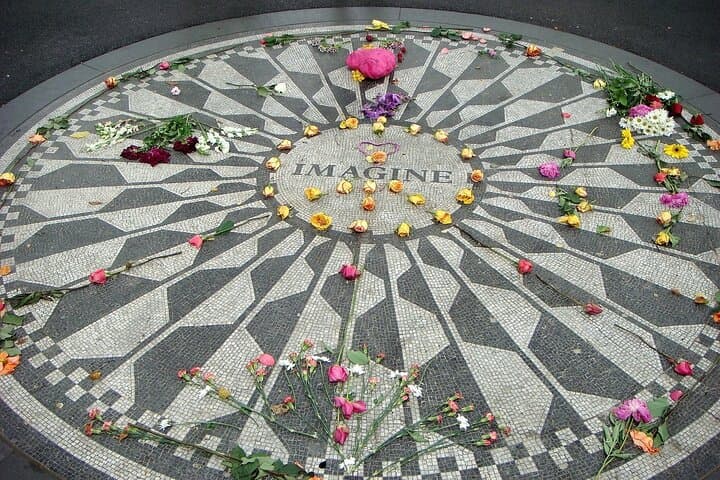
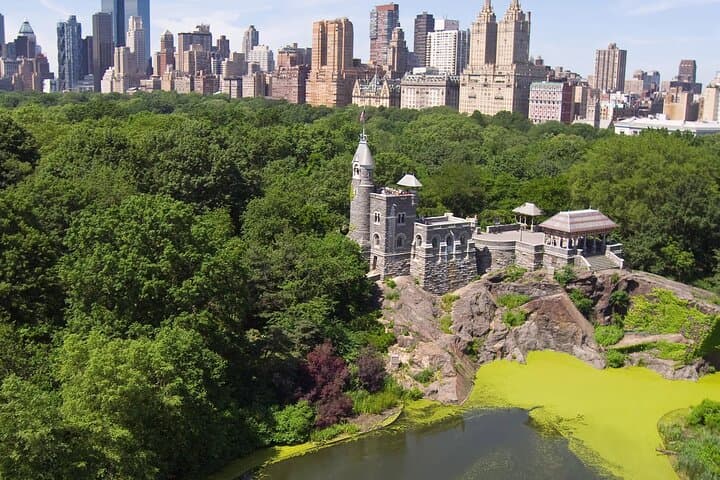
Culturally the park is both stage and neighbor—zoo enclosures and memorial mosaics sit beside performance terraces and quiet gardens. Guides point out hidden architecture, lesser-known vistas from Belvedere Castle, and the ways seasonal gardeners shape the views you’ll see.
Practically: expect 2–3 hours of walking across paved paths, light gravel, and uneven rock steps. The route covers roughly 2–4 miles depending on detours and stops, with frequent benches and rest spots. Bottled water is included, but bring a refillable bottle; wear supportive shoes and layers for rapidly changing city weather.
Timing matters—early mornings are cooler and quieter, weekends bring crowds. The guide’s maps and stories amplify what you’d miss on your own: how designed sightlines frame the skyline, where to watch hawks wheel, and where the park’s quieter corners still hold surprises.
moderate.
2–3 hours.
Suitable for people who can walk 2–4 miles with periodic stops; basic stamina and mobility on uneven terrain recommended
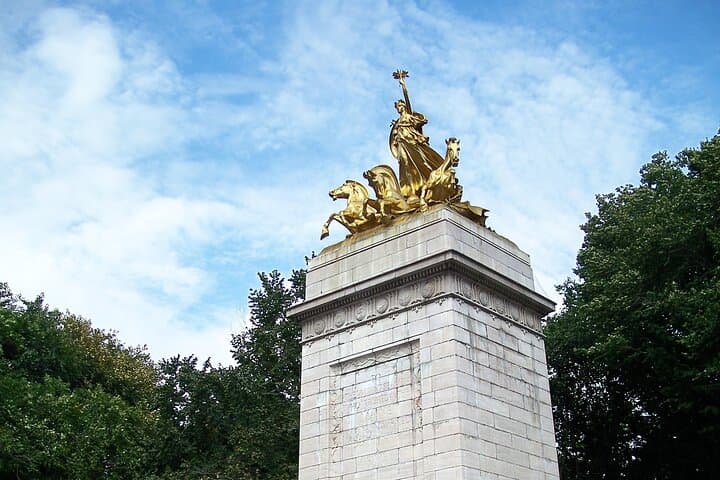
Meet at Columbus Circle in front of the Maine Monument; guides hold a purple umbrella—arrive 10 minutes early to sign in.
Infants and small children can use strollers; however, some sections include steps and uneven surfaces—check with the operator for wheelchair accommodations on request.
Full refund available if you cancel at least 24 hours before departure; tours may be canceled for bad weather or low enrollment per the operator policy.
No—this shared walking tour passes by attractions like the Zoo and Belvedere Castle but does not include entry fees.
Central Park was designed by Olmsted and Vaux beginning in the 1850s to create a public green space; much of the park’s look comes from 19th‑century landscape principles.
NYC Parks and volunteer groups manage habitats and plantings—avoid feeding wildlife and stick to paths to reduce erosion and protect plantings.
TERRADVENTOURS operates guided outdoor trips and adventures with an emphasis on safety, stewardship, and memorable experiences.
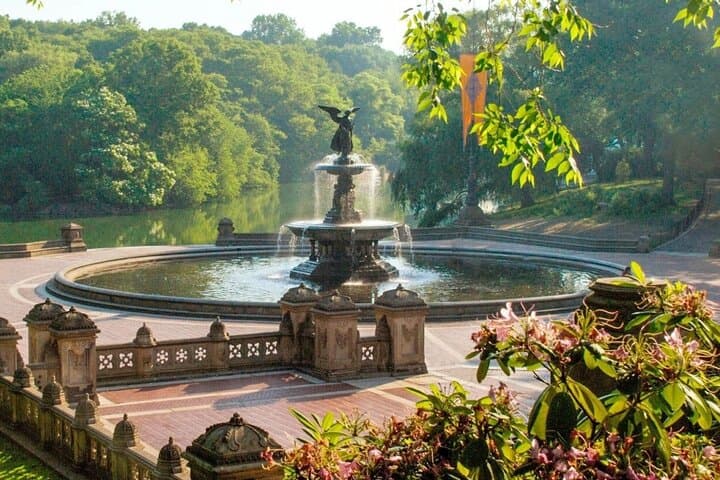
You meet beneath a purple umbrella at Columbus Circle, the city’s noise folding away as the path into Central Park narrows. The walk moves at an easy, deliberate pace—past the Pond’s small waterfall, beneath maples that shift light like pages turning, and over worn Manhattan schist that pokes through the soil.
You meet beneath a purple umbrella at Columbus Circle, the city’s noise folding away as the path into Central Park narrows. The walk moves at an easy, deliberate pace—past the Pond’s small waterfall, beneath maples that shift light like pages turning, and over worn Manhattan schist that pokes through the soil.
The park’s story is straightforward: designed by Frederick Law Olmsted and Calvert Vaux in the mid‑19th century, Central Park was created as a democratic green space. Its rock outcrops are part of the Manhattan schist foundation; the Great Lawn sits where reservoirs and past engineering met the city’s demand for recreation and relief.
Culturally the park is both stage and neighbor—zoo enclosures and memorial mosaics sit beside performance terraces and quiet gardens. Guides point out hidden architecture, lesser-known vistas from Belvedere Castle, and the ways seasonal gardeners shape the views you’ll see.
Practically: expect 2–3 hours of walking across paved paths, light gravel, and uneven rock steps. The route covers roughly 2–4 miles depending on detours and stops, with frequent benches and rest spots. Bottled water is included, but bring a refillable bottle; wear supportive shoes and layers for rapidly changing city weather.
Timing matters—early mornings are cooler and quieter, weekends bring crowds. The guide’s maps and stories amplify what you’d miss on your own: how designed sightlines frame the skyline, where to watch hawks wheel, and where the park’s quieter corners still hold surprises.