THE ADVENTURE COLLECTIVE® · Independent discovery and booking for outdoor travel

Stroll from the Sherman statue through Central Park’s designed landscapes and finish among the Upper East Side’s historic avenues. This 2–3 hour guided walk pairs park history with neighborhood stories and practical tips for timing, transit and what to bring.
Stroll from the Sherman statue through Central Park’s designed landscapes and finish among the Upper East Side’s historic avenues. This 2–3 hour guided walk pairs park history with neighborhood stories and practical tips for timing, transit and what to bring.
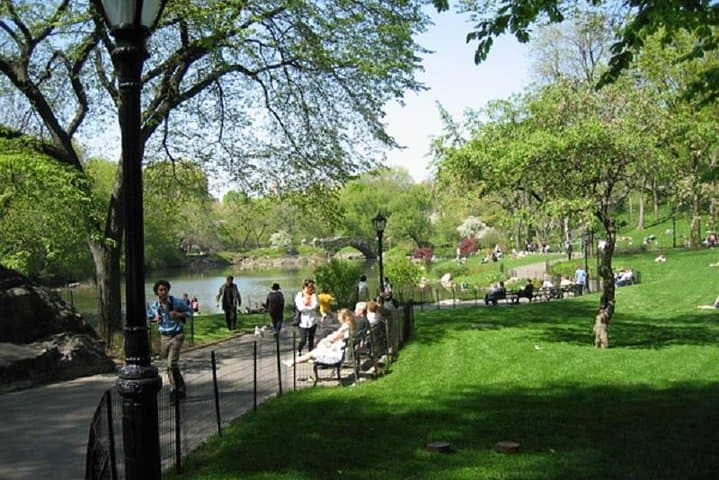
You start at the bronze silhouette of General William Tecumseh Sherman, where Fifth Avenue opens onto the park and the city exhales. Morning light breaks across sculpted lawns, joggers thread the pathways and the Mall stretches like a green spine cutting through stone and glass. The guide sets the pace: conversational, observant, ready to point out the carved benches and hidden bridges.
Verified experiences and guided adventures in the surrounding area.
Operated by The Street Teacher · New York, NY
You start at the bronze silhouette of General William Tecumseh Sherman, where Fifth Avenue opens onto the park and the city exhales. Morning light breaks across sculpted lawns, joggers thread the pathways and the Mall stretches like a green spine cutting through stone and glass. The guide sets the pace: conversational, observant, ready to point out the carved benches and hidden bridges.
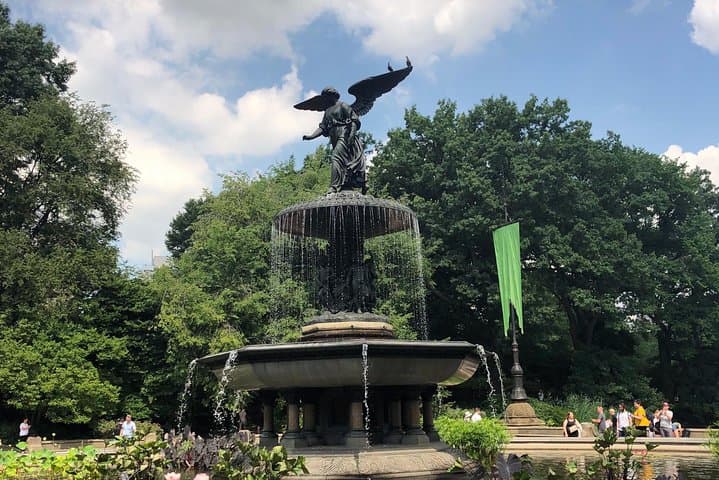
This route traces Central Park’s 19th-century design by Olmsted and Vaux, revealing its planned hills, watercourses and theatrical clearings — engineered landscape meant to mimic countryside drama within the grid. Past the Bethesda Fountain and over rustic stone bridges, you’ll encounter monuments, a restored folly by Calvert Vaux and Turtle Pond’s reflective edge. The walk then moves east to the Upper East Side, a neighborhood shaped by Gilded Age townhouses, cultural institutions and the Metropolitan Museum of Art’s shadow across Museum Mile.
Culturally, this tour connects public space and private patronage: park conservancy efforts, philanthropic mansions turned museums, and the layered immigrant histories that animate the avenues. Expect geology in miniature — exposed Manhattan schist in retaining walls and the park’s engineered lagoons that manage runoff.
Practical guidance: wear supportive shoes for paved and gravel surfaces, bring a water bottle and metro card, and plan for 2–3 hours with stops. Peak times are morning and late afternoon; choose a weekday for fewer crowds. If rain is forecast, confirm the tour; many guides pivot routes to covered stops. The pace is moderate, conversational and adaptable — a compact, walkable primer on how New York’s greatest public space and its affluent neighbor grew up together.
moderate.
2–3 hours.
Suitable for people who can walk 3–5 miles at an easy-to-moderate pace with short standing stops
The guide meets at the William Tecumseh Sherman statue at 59th St and 5th Ave; the tour typically ends near a restaurant on the Upper East Side but may vary by route.
Yes — the pace is steady but moderate; participants should be able to walk for up to three hours with short breaks; strollers are manageable on main paths.
No — museum admissions are not included; the guide will point out the Met and other institutions if you wish to continue independently after the tour.
Tours may proceed in light rain but check the operator’s cancellation policy; guides often adjust routes to include covered stops or reschedule if conditions are severe.
Central Park was designed in the 1850s by Frederick Law Olmsted and Calvert Vaux as a planned escape from the city grid; the Upper East Side grew in the late 19th century as a cultural and residential district.
The park is maintained through a public-private partnership with the Central Park Conservancy; visitors are asked to respect plantings, carry out trash and stay on designated paths.
The Street Teacher operates guided outdoor trips and adventures with an emphasis on safety, stewardship, and memorable experiences.
You start at the bronze silhouette of General William Tecumseh Sherman, where Fifth Avenue opens onto the park and the city exhales. Morning light breaks across sculpted lawns, joggers thread the pathways and the Mall stretches like a green spine cutting through stone and glass. The guide sets the pace: conversational, observant, ready to point out the carved benches and hidden bridges.
You start at the bronze silhouette of General William Tecumseh Sherman, where Fifth Avenue opens onto the park and the city exhales. Morning light breaks across sculpted lawns, joggers thread the pathways and the Mall stretches like a green spine cutting through stone and glass. The guide sets the pace: conversational, observant, ready to point out the carved benches and hidden bridges.
This route traces Central Park’s 19th-century design by Olmsted and Vaux, revealing its planned hills, watercourses and theatrical clearings — engineered landscape meant to mimic countryside drama within the grid. Past the Bethesda Fountain and over rustic stone bridges, you’ll encounter monuments, a restored folly by Calvert Vaux and Turtle Pond’s reflective edge. The walk then moves east to the Upper East Side, a neighborhood shaped by Gilded Age townhouses, cultural institutions and the Metropolitan Museum of Art’s shadow across Museum Mile.
Culturally, this tour connects public space and private patronage: park conservancy efforts, philanthropic mansions turned museums, and the layered immigrant histories that animate the avenues. Expect geology in miniature — exposed Manhattan schist in retaining walls and the park’s engineered lagoons that manage runoff.
Practical guidance: wear supportive shoes for paved and gravel surfaces, bring a water bottle and metro card, and plan for 2–3 hours with stops. Peak times are morning and late afternoon; choose a weekday for fewer crowds. If rain is forecast, confirm the tour; many guides pivot routes to covered stops. The pace is moderate, conversational and adaptable — a compact, walkable primer on how New York’s greatest public space and its affluent neighbor grew up together.