THE ADVENTURE COLLECTIVE® · Independent discovery and booking for outdoor travel

Walk the southern half of Central Park with a licensed guide to uncover film locations, hidden alcoves and natural highlights in 2–2.5 hours. This small-group tour blends history, geology and practical tips for photographers and urban hikers.
Walk the southern half of Central Park with a licensed guide to uncover film locations, hidden alcoves and natural highlights in 2–2.5 hours. This small-group tour blends history, geology and practical tips for photographers and urban hikers.
You step off the city grid into a cool, leafy corridor where traffic noise thins and the air seems to lean toward green. The southern half of Central Park opens with wide promenades, a glassy pond and stone bridges that have waited through a century of movies and midnight strolls. A licensed guide steers small groups past film locations, quiet alcoves and sculpted lawns, pointing out details that disappear when you glance at a map.
Verified experiences and guided adventures in the surrounding area.
Operated by My NY Tours, LLC · New York, NY
You step off the city grid into a cool, leafy corridor where traffic noise thins and the air seems to lean toward green. The southern half of Central Park opens with wide promenades, a glassy pond and stone bridges that have waited through a century of movies and midnight strolls. A licensed guide steers small groups past film locations, quiet alcoves and sculpted lawns, pointing out details that disappear when you glance at a map.
Central Park was designed by Frederick Law Olmsted and Calvert Vaux in the 19th century as a deliberate counterpoint to the city’s density. Geologically, much of the park sits on glacially scoured bedrock and outcrops that give way to imported fill and hand-laid stonework. Culturally the park is both stage and commons — a place of concerts, protests, and daily ritual. In the southern section you’ll meet literary markers, cinematic backdrops and the more intimate natural corners that locals prize.
Expect paved and gravel paths, gentle rises and the occasional set of stairs; the guide covers roughly 2–2.5 hours. Bring a drink, comfortable footwear and a camera: your guide will highlight viewing angles where light, architecture and water frame classic shots. Timing matters — early morning or late afternoon light reduces crowds and shows the park’s sculptural topography best.
Practical notes: public transit drops you to multiple entrances, restrooms are scattered but not always adjacent, and the route runs in all but the most severe weather. Keep noise low around birding zones and leave no trace — Central Park is managed by the Conservancy and thrives when visitors respect paths and plantings.
moderate.
2–2.5 hours.
Moderate fitness is recommended—able to walk continuously for up to 2.5 hours with some short hills and stairs.
Yes; children are welcome but must be accompanied by an adult and able to handle the walking distance.
Public restrooms are available at several locations in the southern park, but they may require a short detour and aren't guaranteed at every stop.
Parts of the southern section are accessible, but the tour includes stairs and uneven paths—contact the operator ahead to discuss accommodations.
The tour offers instant confirmation but popular times fill quickly; book ahead for early morning or weekend slots and note the 24-hour cancellation policy.
Designed by Olmsted and Vaux in the 1850s, Central Park transformed glacially scarred land into a deliberate public landscape and has been a backdrop for civic life and film since the early 20th century.
The Central Park Conservancy manages restoration and maintenance—stick to paths, avoid disturbing plantings, and pack out trash to support preservation.
My NY Tours, LLC operates guided outdoor trips and adventures with an emphasis on safety, stewardship, and memorable experiences.
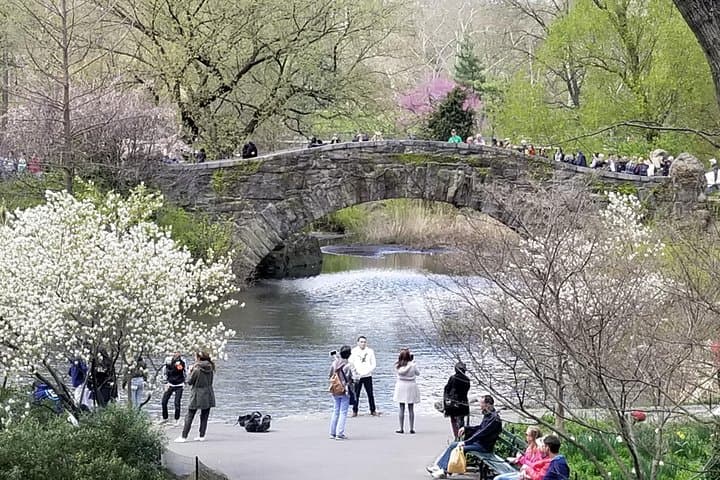
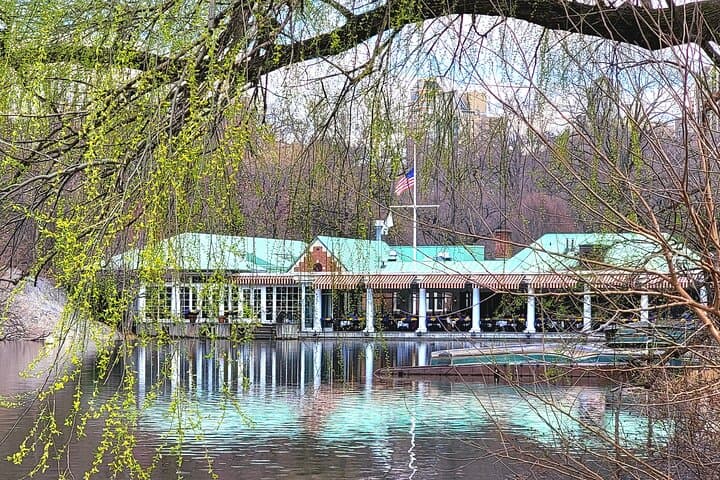
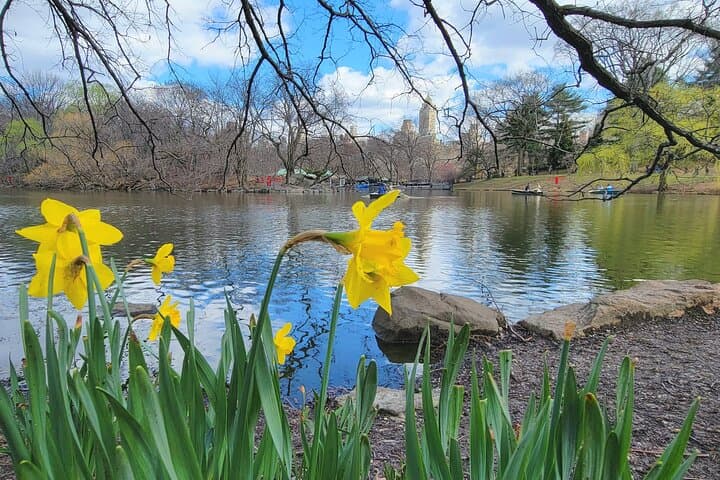
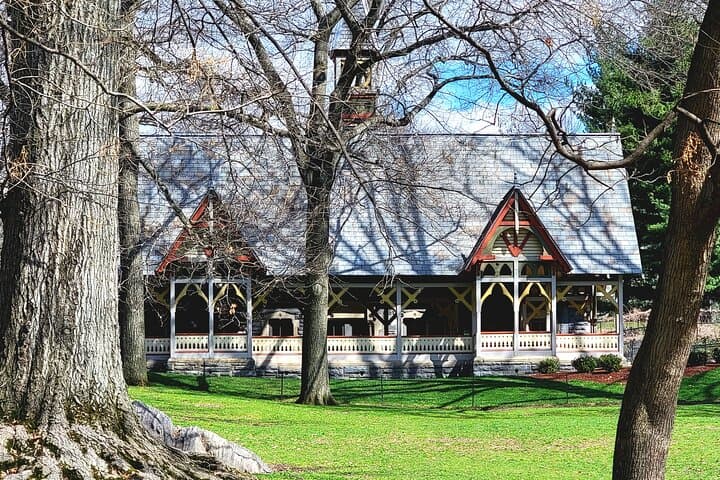
You step off the city grid into a cool, leafy corridor where traffic noise thins and the air seems to lean toward green. The southern half of Central Park opens with wide promenades, a glassy pond and stone bridges that have waited through a century of movies and midnight strolls. A licensed guide steers small groups past film locations, quiet alcoves and sculpted lawns, pointing out details that disappear when you glance at a map.
You step off the city grid into a cool, leafy corridor where traffic noise thins and the air seems to lean toward green. The southern half of Central Park opens with wide promenades, a glassy pond and stone bridges that have waited through a century of movies and midnight strolls. A licensed guide steers small groups past film locations, quiet alcoves and sculpted lawns, pointing out details that disappear when you glance at a map.
Central Park was designed by Frederick Law Olmsted and Calvert Vaux in the 19th century as a deliberate counterpoint to the city’s density. Geologically, much of the park sits on glacially scoured bedrock and outcrops that give way to imported fill and hand-laid stonework. Culturally the park is both stage and commons — a place of concerts, protests, and daily ritual. In the southern section you’ll meet literary markers, cinematic backdrops and the more intimate natural corners that locals prize.
Expect paved and gravel paths, gentle rises and the occasional set of stairs; the guide covers roughly 2–2.5 hours. Bring a drink, comfortable footwear and a camera: your guide will highlight viewing angles where light, architecture and water frame classic shots. Timing matters — early morning or late afternoon light reduces crowds and shows the park’s sculptural topography best.
Practical notes: public transit drops you to multiple entrances, restrooms are scattered but not always adjacent, and the route runs in all but the most severe weather. Keep noise low around birding zones and leave no trace — Central Park is managed by the Conservancy and thrives when visitors respect paths and plantings.