THE ADVENTURE COLLECTIVE® · Independent discovery and booking for outdoor travel

Glide through Central Park by pedicab with a local guide who mixes history, film lore, and photo stops. This private 1–3 hour tour covers Bethesda, Bow Bridge, Strawberry Fields and hidden rock outcrops—ideal for first‑time visitors and families.
Glide through Central Park by pedicab with a local guide who mixes history, film lore, and photo stops. This private 1–3 hour tour covers Bethesda, Bow Bridge, Strawberry Fields and hidden rock outcrops—ideal for first‑time visitors and families.
You roll away from the bronze Sherman statue and the city noise softens into the whisper of leaves; the pedicab hums forward and Central Park opens like a living map. The Mall, a straight, elm‑lined promenade, invites a slow glide while the guide points out film frames and the delicate iron of Bow Bridge. Bethesda Fountain watches over the scene, its water daring you to pause for the perfect photo.
Verified experiences and guided adventures in the surrounding area.
Operated by Central Park pedicab tours · New York, NY
You roll away from the bronze Sherman statue and the city noise softens into the whisper of leaves; the pedicab hums forward and Central Park opens like a living map. The Mall, a straight, elm‑lined promenade, invites a slow glide while the guide points out film frames and the delicate iron of Bow Bridge. Bethesda Fountain watches over the scene, its water daring you to pause for the perfect photo.
Designed by Frederick Law Olmsted and Calvert Vaux in 1858, Central Park transformed wetlands and rock into structured scenery—lakes, meadows, and crafted vistas that still shape how New Yorkers move and meet. Stones like Umpire Rock and cast‑iron features such as Pinebank Arch tell the park’s urban‑landscape story; nearby the Reservoir and Belvedere Castle speak to engineering and theatrical sightlines more than wilderness.
Culturally, this is a shared backyard: chess at the stone cottage, model boats at Conservatory Water, memorials like Strawberry Fields where music and memory meet. Your guide threads these stories with local color—who filmed here, which bench locals avoid, where cherry trees light up in spring.
Practical guidance: choose a morning or late‑afternoon slot for softer light and fewer crowds; tours run 1–3 hours and are private, so mention mobility needs when booking. Dress in layers—cover is provided if it rains and blankets appear in cold weather. Bring water, a charged phone or camera, and a comfortable attitude for photo stops and quick walks off the cab. The route is flat with brief on/off moments, making this an accessible, memorable way to see Central Park without the miles on your feet.
easy.
1–3 hours.
Suitable for nearly all fitness levels; minimal walking required beyond brief photo stops
Tours are private and typically run between 1–3 hours depending on your booking; guides can tailor stops within that window.
Yes—strollers and service animals are allowed; infants must sit on an adult’s lap in the pedicab.
Full refunds are available if you cancel at least 24 hours before the scheduled departure; weather may also trigger cancellations.
Meet at the Sherman Monument by Grand Army Plaza (the Gold Statue) — the tour usually returns to the same meeting point unless otherwise arranged.
Central Park was designed by Olmsted and Vaux beginning in 1858 to provide New Yorkers a deliberately crafted green space, converting rough terrain into planned vistas and recreational lawns.
NYC Parks manages heavy visitation through maintenance and seasonal programming; stay on paths, pack out trash, and avoid feeding wildlife to protect the park’s ecology.
Central Park pedicab tours operates guided outdoor trips and adventures with an emphasis on safety, stewardship, and memorable experiences.
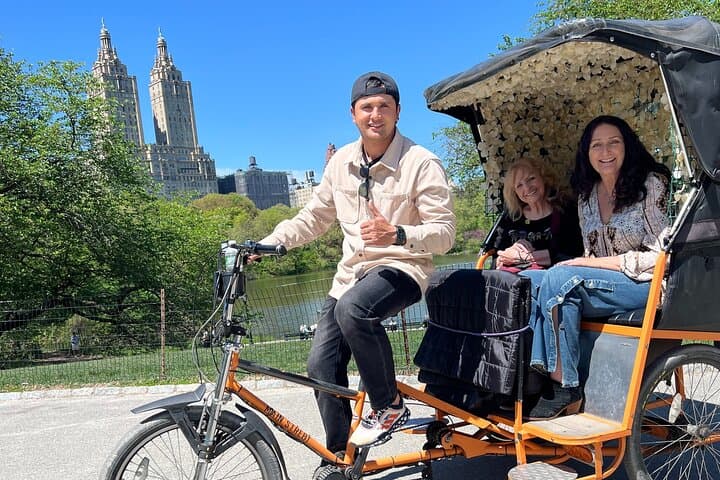
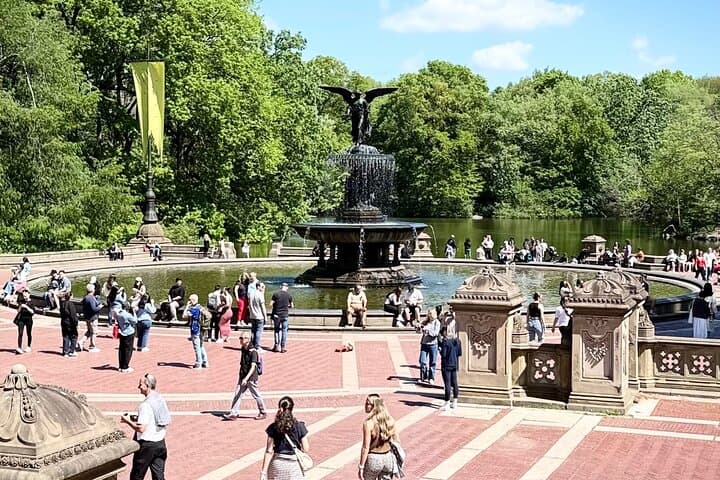
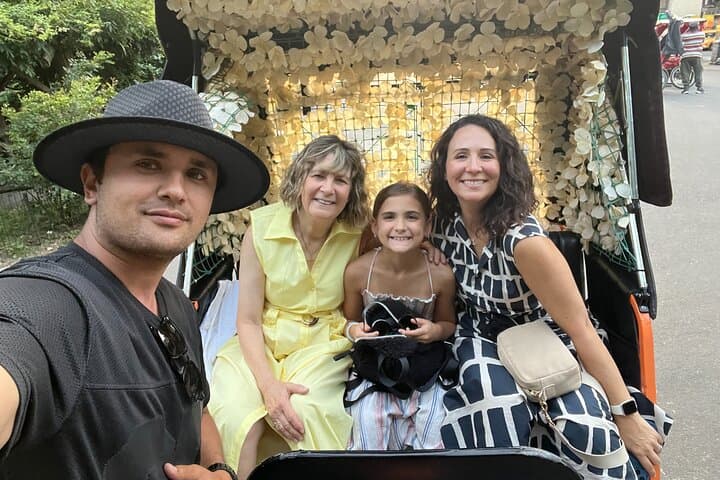
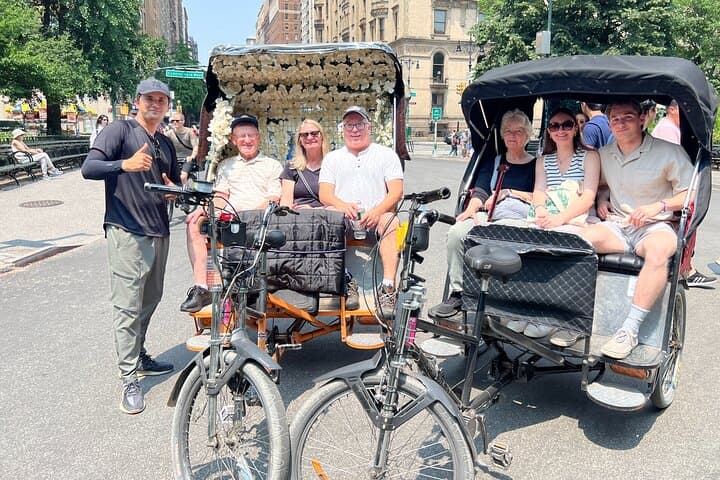
You roll away from the bronze Sherman statue and the city noise softens into the whisper of leaves; the pedicab hums forward and Central Park opens like a living map. The Mall, a straight, elm‑lined promenade, invites a slow glide while the guide points out film frames and the delicate iron of Bow Bridge. Bethesda Fountain watches over the scene, its water daring you to pause for the perfect photo.
You roll away from the bronze Sherman statue and the city noise softens into the whisper of leaves; the pedicab hums forward and Central Park opens like a living map. The Mall, a straight, elm‑lined promenade, invites a slow glide while the guide points out film frames and the delicate iron of Bow Bridge. Bethesda Fountain watches over the scene, its water daring you to pause for the perfect photo.
Designed by Frederick Law Olmsted and Calvert Vaux in 1858, Central Park transformed wetlands and rock into structured scenery—lakes, meadows, and crafted vistas that still shape how New Yorkers move and meet. Stones like Umpire Rock and cast‑iron features such as Pinebank Arch tell the park’s urban‑landscape story; nearby the Reservoir and Belvedere Castle speak to engineering and theatrical sightlines more than wilderness.
Culturally, this is a shared backyard: chess at the stone cottage, model boats at Conservatory Water, memorials like Strawberry Fields where music and memory meet. Your guide threads these stories with local color—who filmed here, which bench locals avoid, where cherry trees light up in spring.
Practical guidance: choose a morning or late‑afternoon slot for softer light and fewer crowds; tours run 1–3 hours and are private, so mention mobility needs when booking. Dress in layers—cover is provided if it rains and blankets appear in cold weather. Bring water, a charged phone or camera, and a comfortable attitude for photo stops and quick walks off the cab. The route is flat with brief on/off moments, making this an accessible, memorable way to see Central Park without the miles on your feet.