THE ADVENTURE COLLECTIVE® · Independent discovery and booking for outdoor travel

Walk beyond the postcard views of Central Park with a focused, two-hour guided tour that links history, film locations and wildlife. Expect paved paths, sculpted rock outcrops and curated viewpoints—plus practical tips for timing, transit, and what to watch for on each season.
Walk beyond the postcard views of Central Park with a focused, two-hour guided tour that links history, film locations and wildlife. Expect paved paths, sculpted rock outcrops and curated viewpoints—plus practical tips for timing, transit, and what to watch for on each season.
The city exhales and Central Park inhales: an avenue of elms opens, pavements fall away, and a two-hour walk threads past fountains, bridges and quiet ponds. You begin at 59th Street where honking fades into footsteps and the park’s stone staircases and broad promenades set the pace—this tour moves deliberately, pointing out the sculpted details and small ecosystems that most first-time visitors miss.
Verified experiences and guided adventures in the surrounding area.
Operated by Best Tours New York · New York, NY
The city exhales and Central Park inhales: an avenue of elms opens, pavements fall away, and a two-hour walk threads past fountains, bridges and quiet ponds. You begin at 59th Street where honking fades into footsteps and the park’s stone staircases and broad promenades set the pace—this tour moves deliberately, pointing out the sculpted details and small ecosystems that most first-time visitors miss.
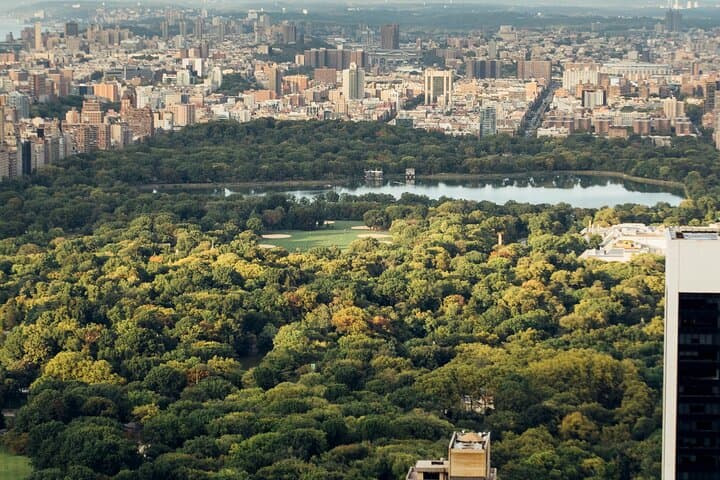
Designers Frederick Law Olmsted and Calvert Vaux carved this green rectangle out of 19th-century streets and rock, shaping views, drainage and rock outcrops to feel natural. Geology shows in the exposed Manhattan schist and the park’s intentional hills; culture appears in monuments—from the Sherman statue to Strawberry Fields—and in the park’s cinematic resume, which reads like a Hollywood roll call.
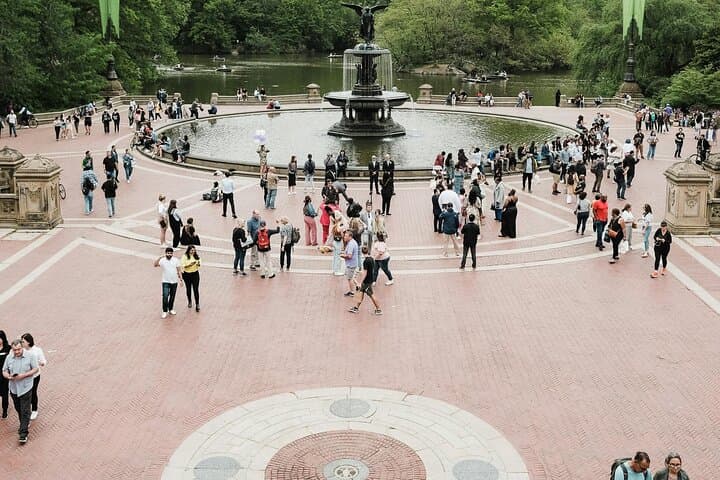
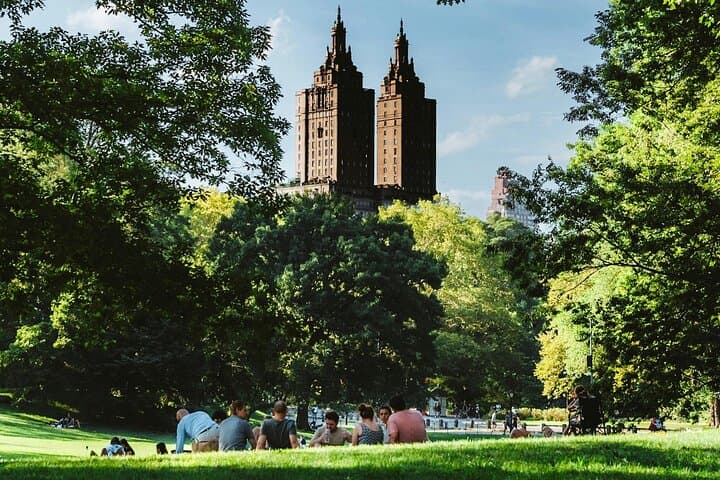
You’ll pass Bethesda Terrace, Bow Bridge and the Ramble, and glimpse the Hallett Nature Sanctuary where warblers and owls make seasonal claims. Guides mix architectural notes—Pulitzer Fountain’s Gilded Age origins—with neighborhood lore about The Dakota and Tavern on the Green.
Practical stuff comes next: expect 2 hours and roughly 1.5–2 miles of walking on paved paths with short steps and occasional uneven stone. Wear comfortable shoes, bring a bottle of water, and plan for subway access at Columbus Circle or 59th Street. Tours run year-round; spring brings migrants, summer offers shaded relief, fall paints the elms, and winter gives a quiet, frost-sprinkled map of the city you thought you already knew.
moderate.
2 hours.
Light to moderate fitness; able to walk 1.5–2 miles on paved surfaces with a few steps.
The tour lasts about 2 hours and covers approximately 1.5–2 miles on mostly paved paths with intermittent steps.
Strollers are allowed, but some sections include steps or uneven stone; guests with mobility concerns should check with the operator in advance for alternate routes.
This listing is a private tour with instant confirmation; booking in advance is recommended, especially on weekends and holidays.
Central Park was designed by Olmsted and Vaux beginning in 1858 as a deliberate, democratic green space; many monuments reflect Gilded Age civic ambitions.
The Central Park Conservancy manages restoration and maintenance—stay on paths, keep dogs leashed, and pack out litter to protect habitats.
Best Tours New York operates guided outdoor trips and adventures with an emphasis on safety, stewardship, and memorable experiences.

The city exhales and Central Park inhales: an avenue of elms opens, pavements fall away, and a two-hour walk threads past fountains, bridges and quiet ponds. You begin at 59th Street where honking fades into footsteps and the park’s stone staircases and broad promenades set the pace—this tour moves deliberately, pointing out the sculpted details and small ecosystems that most first-time visitors miss.
The city exhales and Central Park inhales: an avenue of elms opens, pavements fall away, and a two-hour walk threads past fountains, bridges and quiet ponds. You begin at 59th Street where honking fades into footsteps and the park’s stone staircases and broad promenades set the pace—this tour moves deliberately, pointing out the sculpted details and small ecosystems that most first-time visitors miss.
Designers Frederick Law Olmsted and Calvert Vaux carved this green rectangle out of 19th-century streets and rock, shaping views, drainage and rock outcrops to feel natural. Geology shows in the exposed Manhattan schist and the park’s intentional hills; culture appears in monuments—from the Sherman statue to Strawberry Fields—and in the park’s cinematic resume, which reads like a Hollywood roll call.
You’ll pass Bethesda Terrace, Bow Bridge and the Ramble, and glimpse the Hallett Nature Sanctuary where warblers and owls make seasonal claims. Guides mix architectural notes—Pulitzer Fountain’s Gilded Age origins—with neighborhood lore about The Dakota and Tavern on the Green.
Practical stuff comes next: expect 2 hours and roughly 1.5–2 miles of walking on paved paths with short steps and occasional uneven stone. Wear comfortable shoes, bring a bottle of water, and plan for subway access at Columbus Circle or 59th Street. Tours run year-round; spring brings migrants, summer offers shaded relief, fall paints the elms, and winter gives a quiet, frost-sprinkled map of the city you thought you already knew.