THE ADVENTURE COLLECTIVE® · Independent discovery and booking for outdoor travel

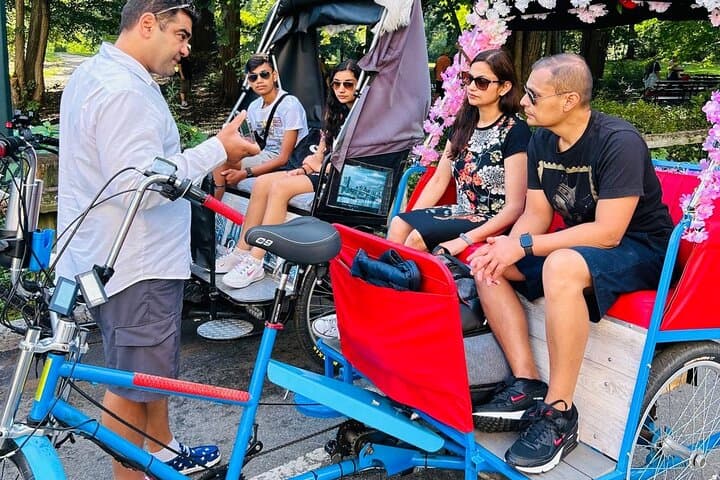
See Central Park’s highlights in an hour from a three-wheeled pedicab: glide past Bethesda Fountain, Bow Bridge and Strawberry Fields while a local guide points out history and film locations. Practical tips on route, accessibility and timing help you plan the perfect quick tour.
See Central Park’s highlights in an hour from a three-wheeled pedicab: glide past Bethesda Fountain, Bow Bridge and Strawberry Fields while a local guide points out history and film locations. Practical tips on route, accessibility and timing help you plan the perfect quick tour.
A morning in Central Park begins with the soft squeeze of bicycle tires on asphalt and a warm whirr as a three-wheeled pedicab glides past Magnolia Bakery, powdered-sugar ghosts trailing from early tourists.
Verified experiences and guided adventures in the surrounding area.
Operated by Central Park Attractions · New York, New York
A morning in Central Park begins with the soft squeeze of bicycle tires on asphalt and a warm whirr as a three-wheeled pedicab glides past Magnolia Bakery, powdered-sugar ghosts trailing from early tourists.
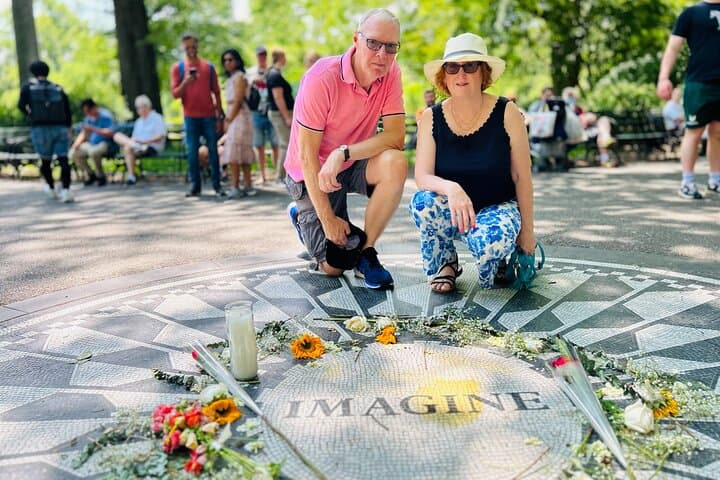
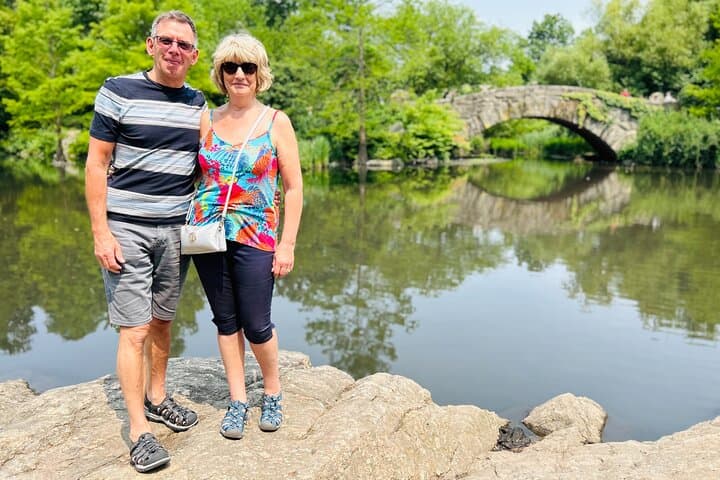
In an hour the city’s engineered wilderness unfolds—broad gravel drives, shaded elm-lined promenades, and open lawns where the landscape architects of the 19th century bent Manhattan’s bedrock into a public commons. Travelers will pass Bethesda Terrace and Fountain, Bow Bridge’s low arch framing the Lake, Strawberry Fields’ mosaic, and the Wollman Rink site, each stop a small chapter in the park’s social history from Olmsted and Vaux’s original 1850s design to today’s film shoots and family picnics.
Geologically the Park rides a glacial plain with exposed Manhattan schist peeking at quarried outcrops; culturally it stitches neighborhoods—the Upper West Side’s brownstones to the Museum Mile—into one continuous walking room.
Practically, pedicabs cover about 1.5–3 miles in an hour depending on stops, on mostly paved paths with occasional gentle grades. Guides provide commentary and photo stops; the vehicle seats up to three. The tour departs outside Magnolia Bakery (mid-Park points vary by operator) and is wheelchair- and stroller-accessible as noted.
Bring a reusable water bottle, dress in layers for variable shade and wind off the reservoir, and plan earlier or later in the day to avoid tour-peak crowds. Expect light traffic on major promenades—watch for joggers and cyclists—and tip your guide for local insight. The pedicab offers a compact, efficient way to see the Park’s highlights without losing the human scale of the city beyond the trees.
easy.
1 hour.
Suitable for all fitness levels; passengers sit while the driver pedals. Expect short standing for photos.
This operator lists a meeting point outside Magnolia Bakery (Mid-Park) and returns to the same location—confirm exact address on your ticket.
Yes — the listing notes wheelchair and stroller accessibility; check with the operator about transferring and space constraints beforehand.
Most pedicabs carry up to three passengers plus the driver; the booking indicates one booking covers the vehicle, so reserve accordingly.
Full refund if you cancel at least 24 hours before the scheduled departure; no refund within 24 hours, per the standard policy.
Designed by Frederick Law Olmsted and Calvert Vaux in the 1850s, Central Park was one of the first major urban parks in the United States and reshaped how cities allocate public green space.
The Central Park Conservancy manages restoration and maintenance; visitors are asked to stay on paths, carry out trash, and avoid feeding wildlife to protect habitats.
Central Park Attractions operates guided outdoor trips and adventures with an emphasis on safety, stewardship, and memorable experiences.
A morning in Central Park begins with the soft squeeze of bicycle tires on asphalt and a warm whirr as a three-wheeled pedicab glides past Magnolia Bakery, powdered-sugar ghosts trailing from early tourists.
A morning in Central Park begins with the soft squeeze of bicycle tires on asphalt and a warm whirr as a three-wheeled pedicab glides past Magnolia Bakery, powdered-sugar ghosts trailing from early tourists.
In an hour the city’s engineered wilderness unfolds—broad gravel drives, shaded elm-lined promenades, and open lawns where the landscape architects of the 19th century bent Manhattan’s bedrock into a public commons. Travelers will pass Bethesda Terrace and Fountain, Bow Bridge’s low arch framing the Lake, Strawberry Fields’ mosaic, and the Wollman Rink site, each stop a small chapter in the park’s social history from Olmsted and Vaux’s original 1850s design to today’s film shoots and family picnics.
Geologically the Park rides a glacial plain with exposed Manhattan schist peeking at quarried outcrops; culturally it stitches neighborhoods—the Upper West Side’s brownstones to the Museum Mile—into one continuous walking room.
Practically, pedicabs cover about 1.5–3 miles in an hour depending on stops, on mostly paved paths with occasional gentle grades. Guides provide commentary and photo stops; the vehicle seats up to three. The tour departs outside Magnolia Bakery (mid-Park points vary by operator) and is wheelchair- and stroller-accessible as noted.
Bring a reusable water bottle, dress in layers for variable shade and wind off the reservoir, and plan earlier or later in the day to avoid tour-peak crowds. Expect light traffic on major promenades—watch for joggers and cyclists—and tip your guide for local insight. The pedicab offers a compact, efficient way to see the Park’s highlights without losing the human scale of the city beyond the trees.