THE ADVENTURE COLLECTIVE® · Independent discovery and booking for outdoor travel

A gentle, private two-hour introduction to birdwatching in Central Park. Learn to identify songs and silhouettes as you walk through The Ramble, pause at Bow Bridge, and end near the Upper West Side.
A gentle, private two-hour introduction to birdwatching in Central Park. Learn to identify songs and silhouettes as you walk through The Ramble, pause at Bow Bridge, and end near the Upper West Side.
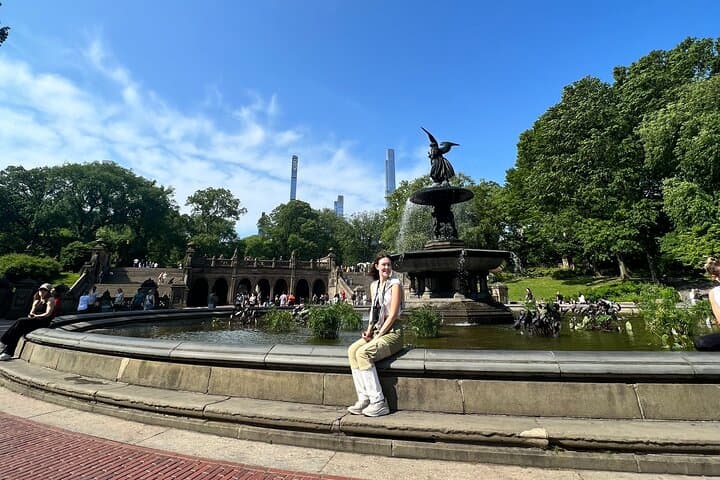
You arrive at Bethesda Terrace just after dawn; the city’s noise has been pared back to a distant hum and the fountain’s horses glint in cool light. A guide checks binoculars and the group leans into the hush — song sparrows and blue jays call from the canopy while pigeons wheel in practiced city arcs. The walk moves into The Ramble, where narrow trails and layered shrubs invite furtive glances and practiced listening.
Verified experiences and guided adventures in the surrounding area.
Operated by Steph M. · New York, NY
You arrive at Bethesda Terrace just after dawn; the city’s noise has been pared back to a distant hum and the fountain’s horses glint in cool light. A guide checks binoculars and the group leans into the hush — song sparrows and blue jays call from the canopy while pigeons wheel in practiced city arcs. The walk moves into The Ramble, where narrow trails and layered shrubs invite furtive glances and practiced listening.
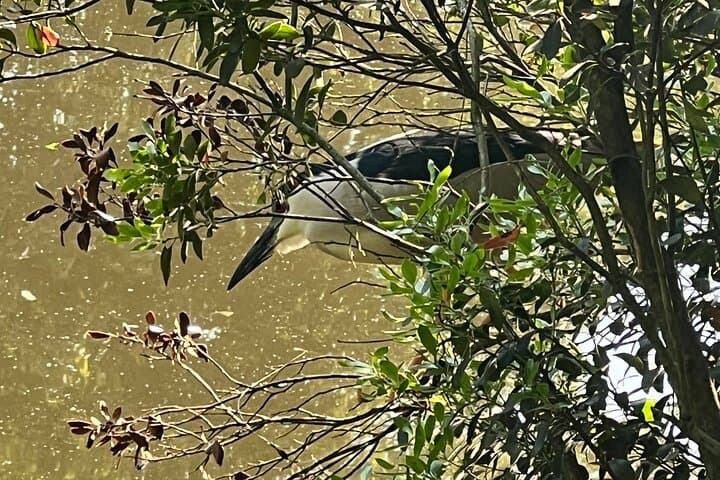
Central Park is a designed landscape—Frederick Law Olmsted and Calvert Vaux carved curated wildness into Manhattan’s bedrock in the 1850s. The park sits atop Manhattan schist and glacial deposits, creating shallow soils and rocky outcrops that shape where trees take root and where water pools attract birds. The Ramble was intentionally left rough to support migratory and resident songbirds, and Bow Bridge offers a pause point to watch waterfowl and riparian feeders.
On this private, two-hour beginner tour you’ll learn visual clues, key field marks, and how to use the Merlin app to match songs to species. The guide emphasizes respectful birding: low voices, no playback, and staying on paths to protect nesting areas.
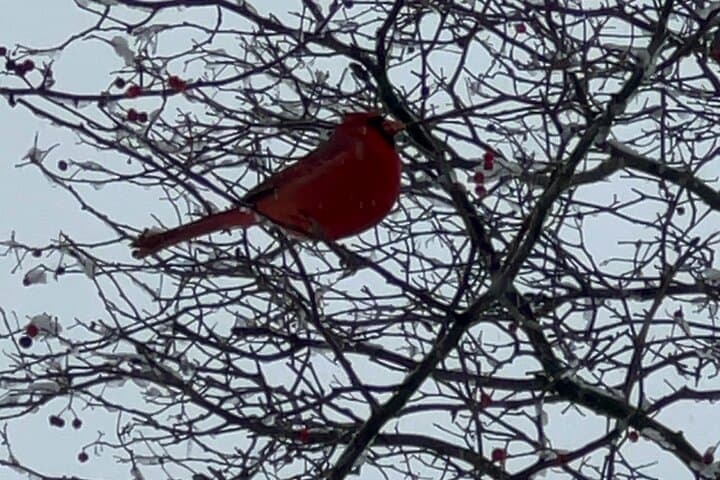
Practical guidance: arrive 10 minutes early, bring layered clothing for changing weather, and consider borrowing binoculars if you don’t have them. The route is flat with some uneven mulch paths; the pace is relaxed and accessible for most people. Expect common urban species—cardinals, blue jays, sparrows—and the energy of migration in spring and fall. The tour ends near the Upper West Side with options for coffee and further exploration.
easy.
2 hours.
Suitable for most fitness levels; involves a relaxed, mostly flat 1–2 mile stroll with some uneven surfaces.
The guide can lend binoculars on request but bringing your own ensures the best fit and familiarity.
The meeting point and many flat areas are accessible, but The Ramble includes narrow, uneven paths; contact the operator to discuss accommodations.
This is a beginner tour focused on common and easily observed species; notable migrants may appear seasonally but are not guaranteed.
Full refund is available if you cancel at least 24 hours before the scheduled departure; otherwise no refund.
Central Park was designed by Olmsted and Vaux in the 1850s; The Ramble was intentionally left rugged to support wildlife and offer an urban ‘wild’ refuge.
Respect seasonal closures and nesting notices, avoid playback of bird calls, and stay on paths to protect ground-nesting birds and fragile soils.
Steph M. operates guided outdoor trips and adventures with an emphasis on safety, stewardship, and memorable experiences.
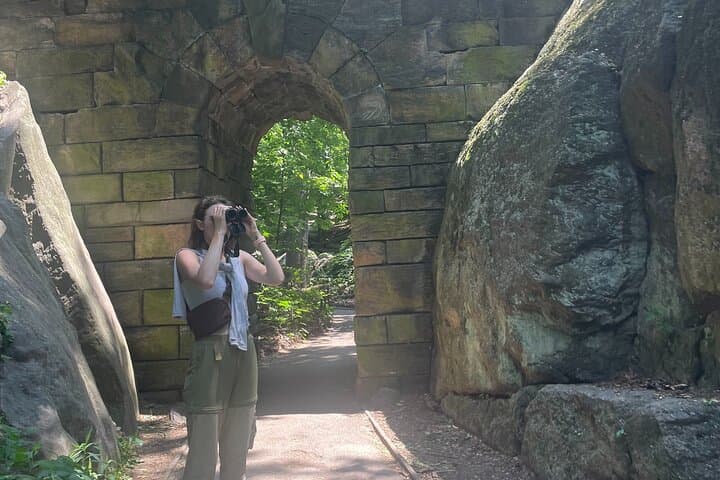
You arrive at Bethesda Terrace just after dawn; the city’s noise has been pared back to a distant hum and the fountain’s horses glint in cool light. A guide checks binoculars and the group leans into the hush — song sparrows and blue jays call from the canopy while pigeons wheel in practiced city arcs. The walk moves into The Ramble, where narrow trails and layered shrubs invite furtive glances and practiced listening.
You arrive at Bethesda Terrace just after dawn; the city’s noise has been pared back to a distant hum and the fountain’s horses glint in cool light. A guide checks binoculars and the group leans into the hush — song sparrows and blue jays call from the canopy while pigeons wheel in practiced city arcs. The walk moves into The Ramble, where narrow trails and layered shrubs invite furtive glances and practiced listening.
Central Park is a designed landscape—Frederick Law Olmsted and Calvert Vaux carved curated wildness into Manhattan’s bedrock in the 1850s. The park sits atop Manhattan schist and glacial deposits, creating shallow soils and rocky outcrops that shape where trees take root and where water pools attract birds. The Ramble was intentionally left rough to support migratory and resident songbirds, and Bow Bridge offers a pause point to watch waterfowl and riparian feeders.
On this private, two-hour beginner tour you’ll learn visual clues, key field marks, and how to use the Merlin app to match songs to species. The guide emphasizes respectful birding: low voices, no playback, and staying on paths to protect nesting areas.
Practical guidance: arrive 10 minutes early, bring layered clothing for changing weather, and consider borrowing binoculars if you don’t have them. The route is flat with some uneven mulch paths; the pace is relaxed and accessible for most people. Expect common urban species—cardinals, blue jays, sparrows—and the energy of migration in spring and fall. The tour ends near the Upper West Side with options for coffee and further exploration.