THE ADVENTURE COLLECTIVE® · Independent discovery and booking for outdoor travel

Move from Ulaanbaatar’s city landmarks to Khorgo’s volcanic rims and nomadic gers on this private multi-day tour of central Mongolia. Expect moderate hikes, long drives across the steppe, and immersive cultural encounters.
Move from Ulaanbaatar’s city landmarks to Khorgo’s volcanic rims and nomadic gers on this private multi-day tour of central Mongolia. Expect moderate hikes, long drives across the steppe, and immersive cultural encounters.
The first light over the Mongolian steppe hits stainless steel and sand alike: Chinggis Khaan’s statue glares east while distant dunes of Elsen Tasarkhai shift like a living sea. On this private, multi-day route travelers move from Ulaanbaatar’s structured plazas into wide, breathing landscapes — rivers that dare you to follow them, volcanic ridges that keep their own time.
Verified experiences and guided adventures in the surrounding area.
Operated by Mongolian explorer · Ulaanbaatar, Ulaanbaatar
The first light over the Mongolian steppe hits stainless steel and sand alike: Chinggis Khaan’s statue glares east while distant dunes of Elsen Tasarkhai shift like a living sea. On this private, multi-day route travelers move from Ulaanbaatar’s structured plazas into wide, breathing landscapes — rivers that dare you to follow them, volcanic ridges that keep their own time.
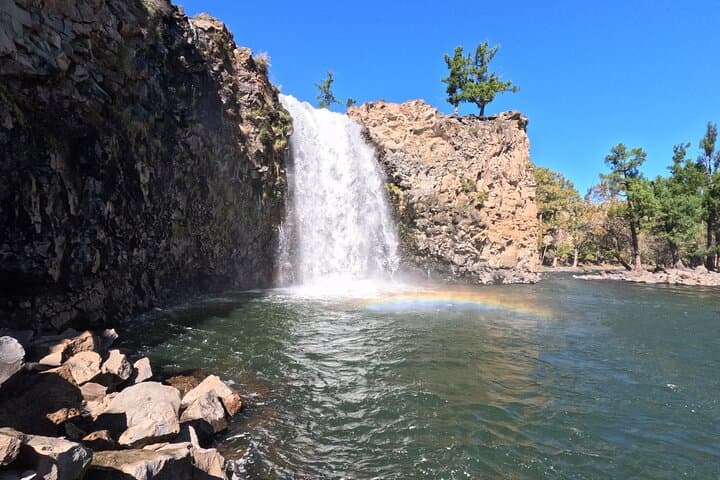
Historically the route threads the sweep of the Mongol Empire, from Chinggis Khaan’s museums to the centuries-old courtyards of Erdene Zuu. Geology is visible at every stop: Khorgo’s basalt rims and the lava-blocked Terkhiin Tsagaan Lake tell of ancient eruptions; Taikhar Rock bears inscriptions and legends carved by passing cultures.
Culturally the trip pairs ger stays and family visits with throat singing evenings and artisan markets in Ulaanbaatar, offering a direct look at nomadic life and modern Mongolian identity.
Practically, expect a mix of paved and dirt driving, short moderate hikes (Khorgo crater, Ariyabal temple) and full-day transfers. Days balance walking, horse or camel rides, and relaxed evenings at tourist camps or small hotels. Bring sturdy boots for uneven basalt and dunes, layered outerwear for strong daytime sun and cold nights, and a small daypack for water and camera gear.
Tours operate year-round but conditions vary: spring and autumn are crisp and windy, summer is warm with mosquitoes near marshes, and winter is harsh and remote. Guides handle logistics, but travelers should be prepared for basic facilities outside the capital. The payoff is constant: open horizons, hands-on cultural exchange, and geology that reads like a field manual of Mongolia’s past.
moderate.
8 days.
Suitable for travelers with moderate fitness — able to handle several hours of walking or horseback riding and multi-hour drives.
Most nationalities require a visa; check Mongolia’s embassy website for current entry rules and allow time for processing before travel.
Outside Ulaanbaatar accommodations are basic tourist camps or small resorts; expect shared facilities in some camps and simple comforts at ger stays.
Elevations are generally moderate (steppe and volcanic plateaus); altitude sickness is uncommon, but bring time to rest if you feel unwell.
Mongolian tugrik is used; ATMs are common in the capital but rare rurally — download offline maps and expect intermittent mobile coverage.
The route crosses lands central to the Mongol Empire and includes Erdene Zuu, Mongolia’s oldest monastery founded in the 16th century.
Grazing pressure and seasonal tourism affect fragile steppe soils and wetland bird habitats; stick to trails, limit campfire impact, and support local guides and community-run camps.
Mongolian explorer operates guided outdoor trips and adventures with an emphasis on safety, stewardship, and memorable experiences.
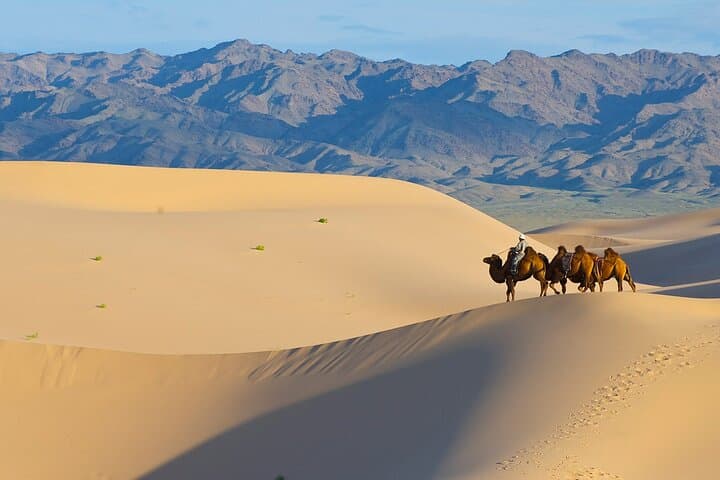
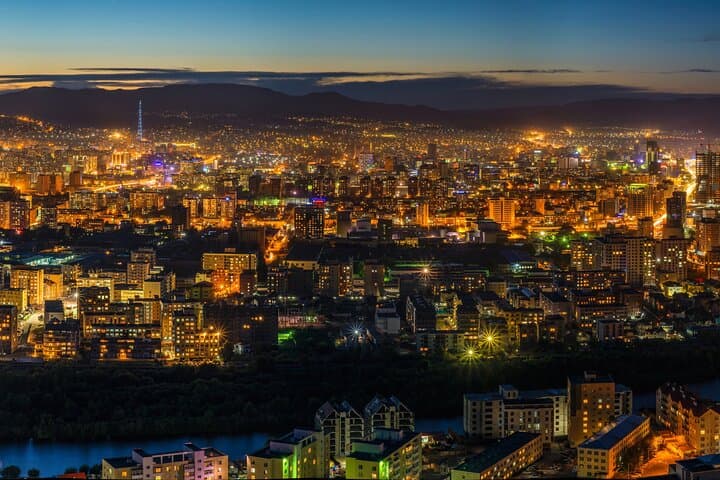
The first light over the Mongolian steppe hits stainless steel and sand alike: Chinggis Khaan’s statue glares east while distant dunes of Elsen Tasarkhai shift like a living sea. On this private, multi-day route travelers move from Ulaanbaatar’s structured plazas into wide, breathing landscapes — rivers that dare you to follow them, volcanic ridges that keep their own time.
The first light over the Mongolian steppe hits stainless steel and sand alike: Chinggis Khaan’s statue glares east while distant dunes of Elsen Tasarkhai shift like a living sea. On this private, multi-day route travelers move from Ulaanbaatar’s structured plazas into wide, breathing landscapes — rivers that dare you to follow them, volcanic ridges that keep their own time.
Historically the route threads the sweep of the Mongol Empire, from Chinggis Khaan’s museums to the centuries-old courtyards of Erdene Zuu. Geology is visible at every stop: Khorgo’s basalt rims and the lava-blocked Terkhiin Tsagaan Lake tell of ancient eruptions; Taikhar Rock bears inscriptions and legends carved by passing cultures.
Culturally the trip pairs ger stays and family visits with throat singing evenings and artisan markets in Ulaanbaatar, offering a direct look at nomadic life and modern Mongolian identity.
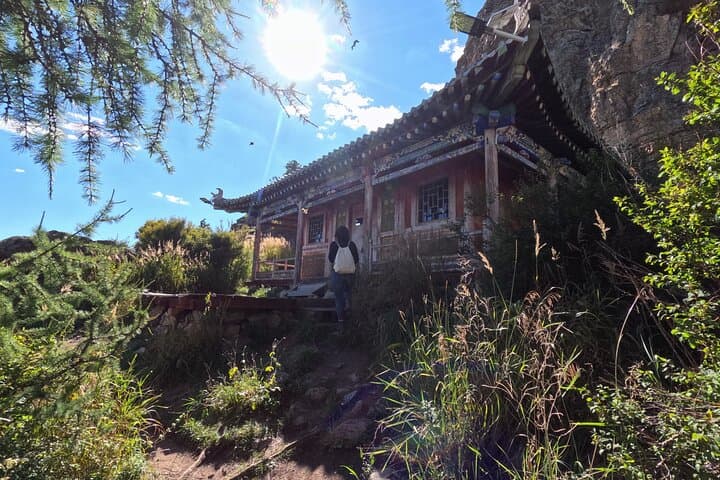
Practically, expect a mix of paved and dirt driving, short moderate hikes (Khorgo crater, Ariyabal temple) and full-day transfers. Days balance walking, horse or camel rides, and relaxed evenings at tourist camps or small hotels. Bring sturdy boots for uneven basalt and dunes, layered outerwear for strong daytime sun and cold nights, and a small daypack for water and camera gear.
Tours operate year-round but conditions vary: spring and autumn are crisp and windy, summer is warm with mosquitoes near marshes, and winter is harsh and remote. Guides handle logistics, but travelers should be prepared for basic facilities outside the capital. The payoff is constant: open horizons, hands-on cultural exchange, and geology that reads like a field manual of Mongolia’s past.