THE ADVENTURE COLLECTIVE® · Independent discovery and booking for outdoor travel

Four days across central Mongolia link the imperial ruins of Kharakhorum with basalt waterfalls, dunes and protected steppe where Przewalski’s horses roam. Expect long drives, simple ger-camp nights, and up-close encounters with nomadic life.
Four days across central Mongolia link the imperial ruins of Kharakhorum with basalt waterfalls, dunes and protected steppe where Przewalski’s horses roam. Expect long drives, simple ger-camp nights, and up-close encounters with nomadic life.
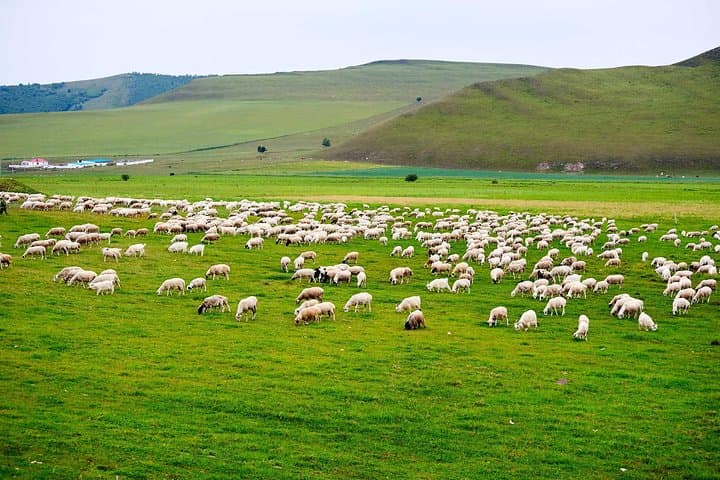
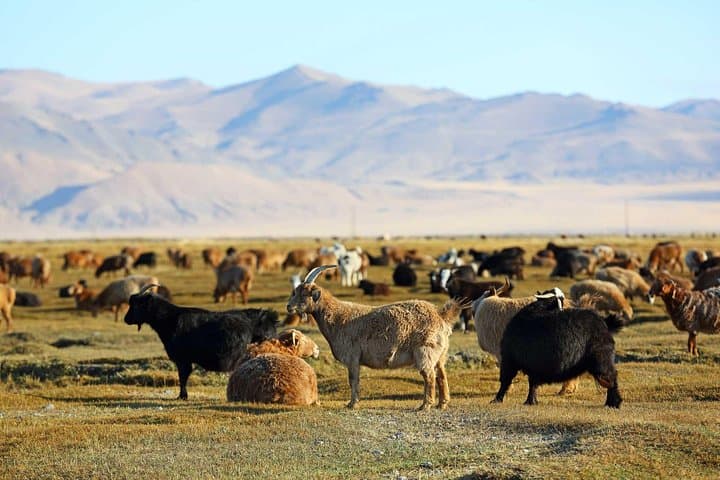
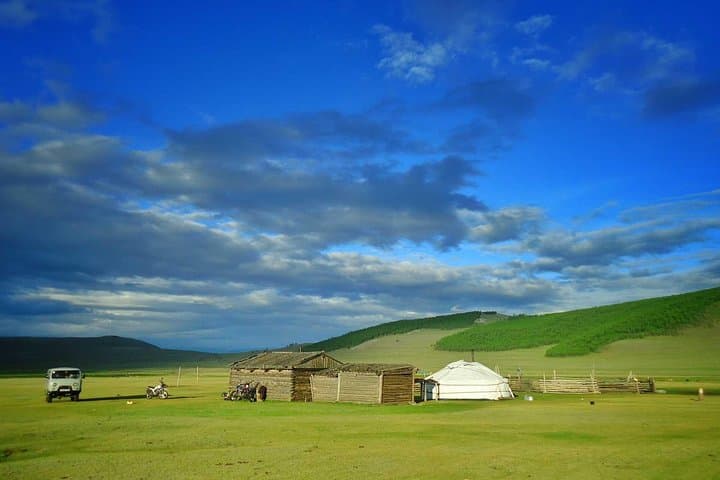
You step out of the van onto a broad steppe where wind and sky trade territory and a line of gers punctuates the horizon. The air tastes faintly of smoke and dried grass; horses are nearby, patient and watchful. Over the next four days this route moves from volcanic river canyons to low dunes, Buddhist ruins and protected grasslands—each landscape changing the rhythm of travel.
Verified experiences and guided adventures in the surrounding area.
Operated by Mongolian Tour Guide · Kharkhorin, Övörkhangai Province
You step out of the van onto a broad steppe where wind and sky trade territory and a line of gers punctuates the horizon. The air tastes faintly of smoke and dried grass; horses are nearby, patient and watchful. Over the next four days this route moves from volcanic river canyons to low dunes, Buddhist ruins and protected grasslands—each landscape changing the rhythm of travel.
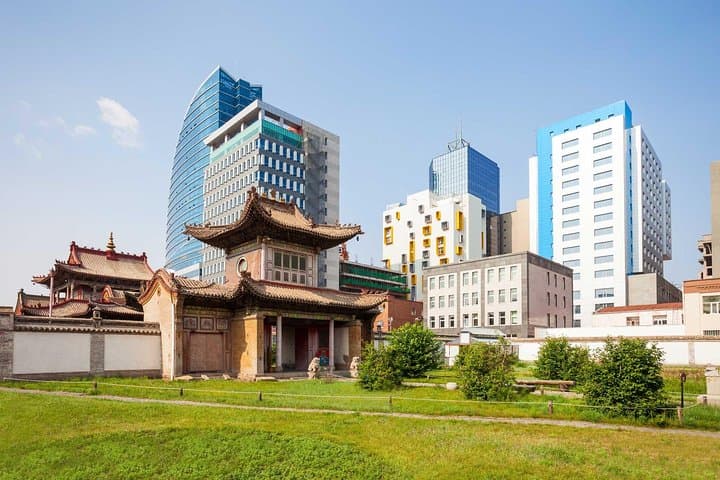
The ruined capital of Kharakhorum, founded in the 13th century, sits beside the Erdene Zuu monastery, a living site where imperial stone walls meet monastic prayer wheels. Downriver, Ulaan Tsutgalan Waterfall pours over ancient basalt columns—volcanic flows and quakes carved the Orkhon’s cliffs some 20,000 years ago—while the Orkhon Valley preserves millennia of human movement along the Silk Road corridor.
Khogno Khan’s craggy forest and nearby Elsen Tasarkhai dunes offer a surprising mix of pines, rocks and sand, and Khustai National Park is one of the few places on Earth to see Przewalski’s horse (takhi) in the wild.
Practical points: the itinerary covers roughly 1,100 km by road over four days with short hikes, ger-camp and nomadic-family stays, and basic horseback options. Expect bumpy gravel roads, full-day drives between highlights, and limited cell service. Pack layered clothing for wide temperature swings, a good pair of boots for uneven trails, sun protection, and cash for small village purchases. Travel modestly at wildlife sites—keep distance from takhi and follow guide instructions. With straightforward logistics and strong cultural payoff, the tour delivers an immersive cross-section of central Mongolia’s geology, history and nomadic life.
moderate.
4 days (multi-day tour).
Suitable for travelers in average fitness—short hikes and optional horse rides; able to board vehicles and walk on uneven terrain.
The tour is labeled suitable for all fitness levels with short hikes and optional horse rides; most moving is by vehicle and hiking is moderate and untechnical.
Nights are spent in ger (yurt) camps and with a nomadic family for one night—expect basic but comfortable bedding and shared facilities.
No species sightings are never guaranteed, but Khustai National Park has a high probability of takhi sightings when visited at quieter times of day and with local guides.
Travelers to Mongolia generally require a visa depending on nationality; no special permits are needed for the itinerary’s public parks, but museum and monastery entrances may have small fees.
Kharakhorum was established as the Mongol Empire’s capital in the 13th century; Erdene Zuu monastery later reused stones from the city’s ruins to build its complex.
Khustai’s reintroduction program helped restore wild takhi populations—visitors should avoid feeding wildlife, stick to trails, and support local conservation fees where asked.
Mongolian Tour Guide operates guided outdoor trips and adventures with an emphasis on safety, stewardship, and memorable experiences.
You step out of the van onto a broad steppe where wind and sky trade territory and a line of gers punctuates the horizon. The air tastes faintly of smoke and dried grass; horses are nearby, patient and watchful. Over the next four days this route moves from volcanic river canyons to low dunes, Buddhist ruins and protected grasslands—each landscape changing the rhythm of travel.
You step out of the van onto a broad steppe where wind and sky trade territory and a line of gers punctuates the horizon. The air tastes faintly of smoke and dried grass; horses are nearby, patient and watchful. Over the next four days this route moves from volcanic river canyons to low dunes, Buddhist ruins and protected grasslands—each landscape changing the rhythm of travel.
The ruined capital of Kharakhorum, founded in the 13th century, sits beside the Erdene Zuu monastery, a living site where imperial stone walls meet monastic prayer wheels. Downriver, Ulaan Tsutgalan Waterfall pours over ancient basalt columns—volcanic flows and quakes carved the Orkhon’s cliffs some 20,000 years ago—while the Orkhon Valley preserves millennia of human movement along the Silk Road corridor.
Khogno Khan’s craggy forest and nearby Elsen Tasarkhai dunes offer a surprising mix of pines, rocks and sand, and Khustai National Park is one of the few places on Earth to see Przewalski’s horse (takhi) in the wild.
Practical points: the itinerary covers roughly 1,100 km by road over four days with short hikes, ger-camp and nomadic-family stays, and basic horseback options. Expect bumpy gravel roads, full-day drives between highlights, and limited cell service. Pack layered clothing for wide temperature swings, a good pair of boots for uneven trails, sun protection, and cash for small village purchases. Travel modestly at wildlife sites—keep distance from takhi and follow guide instructions. With straightforward logistics and strong cultural payoff, the tour delivers an immersive cross-section of central Mongolia’s geology, history and nomadic life.