THE ADVENTURE COLLECTIVE® · Independent discovery and booking for outdoor travel

A three-day loop from Ulaanbaatar to Karakorum and the Elsen Tasarkhai dunes that pairs imperial history with intimate nomadic encounters. Expect long drives, short hikes, camel or horse rides, and nights in traditional gers under vast, clear skies.
A three-day loop from Ulaanbaatar to Karakorum and the Elsen Tasarkhai dunes that pairs imperial history with intimate nomadic encounters. Expect long drives, short hikes, camel or horse rides, and nights in traditional gers under vast, clear skies.
Morning light slants across the steppe as your van pulls away from Ulaanbaatar, leaving a grey city for a landscape that breathes: rolling grasslands, distant ridgelines, and the low, mysterious hum of wind over sand. Day one drops you into Kharkhorin (Karakorum), where the squat walls of Erdene Zuu Monastery stand against wide skies and the past feels close enough to touch.
Verified experiences and guided adventures in the surrounding area.
Operated by Adiya's family Tours and Services · Kharkhorin (Karakorum), Uvurkhangai Province
Morning light slants across the steppe as your van pulls away from Ulaanbaatar, leaving a grey city for a landscape that breathes: rolling grasslands, distant ridgelines, and the low, mysterious hum of wind over sand. Day one drops you into Kharkhorin (Karakorum), where the squat walls of Erdene Zuu Monastery stand against wide skies and the past feels close enough to touch.
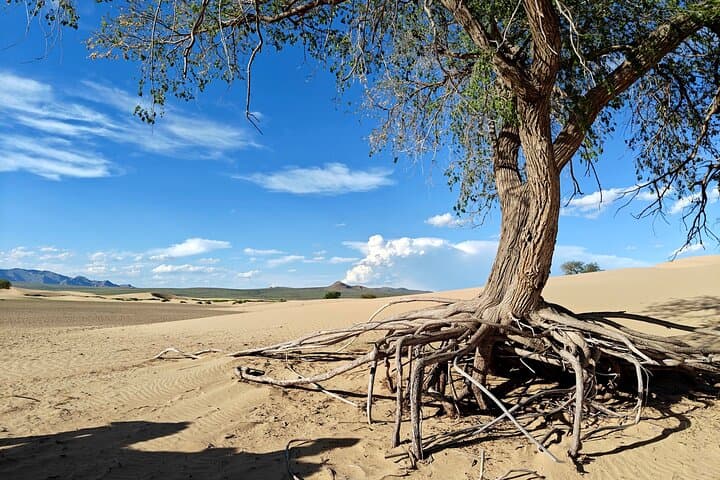
This route threads Mongol imperial history with Quaternary geology — river valleys carved during glacial melt, loess plains, and the Mongol Els dunes where sand has pushed into the steppe. Culture here is living: gers host tea and broth, elders recall the Silk Road and Genghis Khan’s administrative capital, and nomadic families show animal husbandry practiced for generations.
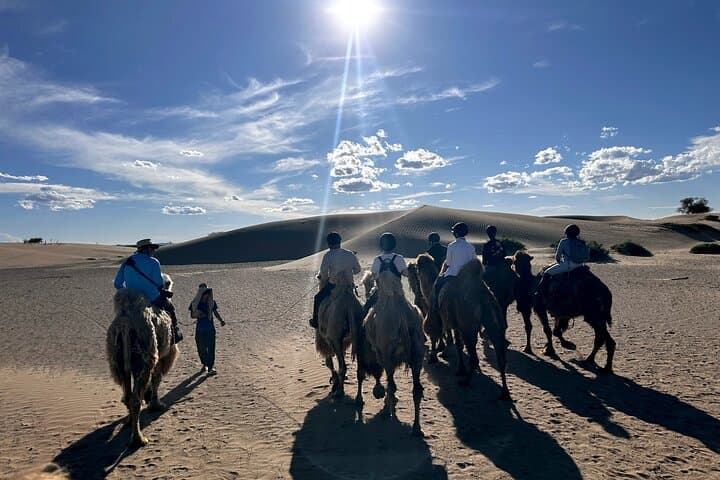
Expect practical contrasts: compact days of driving (circa 350 km to Karakorum), short hikes, and optional camel or horse rides across Elsen Tasarkhai’s 80 km dune belt. Nights are in traditional gers with basic comforts and clear skies that make stargazing effortless.
Bring layered clothing for cold mornings and hot afternoons, sun protection, and reusable water—distances are long and services limited. Guide-led logistics handle permits, meals, and local introductions, but be prepared for uneven terrain, loose sand, and simple facilities. Respect private herding areas and accept invites to family meals; these encounters are the itinerary’s highlight.
This trip balances cultural immersion and accessible fieldwork: a compact, three-day window onto Mongolia’s sweep and the rhythms of nomadic life.
moderate.
3 days (approx. 72 hours).
Suitable for travelers in average physical condition who can manage several hours of light activity, short hikes, and brief riding sessions.
Expect drives up to 350 km on day one and about 240 km returning to Ulaanbaatar on day three; travel is mostly on paved and compacted rural roads.
Gers are traditional and spacious with basic beds and wood or gas heating; they offer an authentic stay but not luxury hotel amenities.
No formal experience required for short camel or horse rides; guides provide instruction and animals are accustomed to novice riders.
The tour can accommodate families, but it’s not recommended for people with serious back or heart problems and mobility is limited in gers and on uneven terrain.
Karakorum was established as a capital in the 13th century under Genghis Khan’s successors; Erdene Zuu Monastery later reused its stone to build Buddhist walls and shrines.
The semi-desert and steppe are sensitive to overgrazing and off-road driving; stay on established tracks and follow guides’ instructions to reduce impact.
Adiya's family Tours and Services operates guided outdoor trips and adventures with an emphasis on safety, stewardship, and memorable experiences.
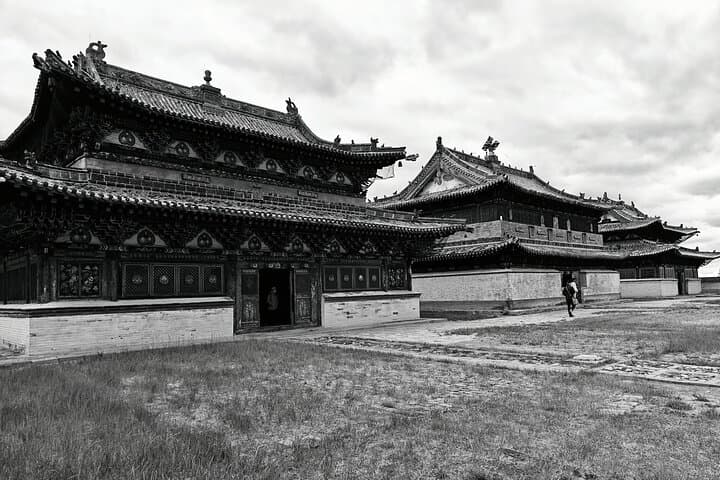
Morning light slants across the steppe as your van pulls away from Ulaanbaatar, leaving a grey city for a landscape that breathes: rolling grasslands, distant ridgelines, and the low, mysterious hum of wind over sand. Day one drops you into Kharkhorin (Karakorum), where the squat walls of Erdene Zuu Monastery stand against wide skies and the past feels close enough to touch.
Morning light slants across the steppe as your van pulls away from Ulaanbaatar, leaving a grey city for a landscape that breathes: rolling grasslands, distant ridgelines, and the low, mysterious hum of wind over sand. Day one drops you into Kharkhorin (Karakorum), where the squat walls of Erdene Zuu Monastery stand against wide skies and the past feels close enough to touch.
This route threads Mongol imperial history with Quaternary geology — river valleys carved during glacial melt, loess plains, and the Mongol Els dunes where sand has pushed into the steppe. Culture here is living: gers host tea and broth, elders recall the Silk Road and Genghis Khan’s administrative capital, and nomadic families show animal husbandry practiced for generations.
Expect practical contrasts: compact days of driving (circa 350 km to Karakorum), short hikes, and optional camel or horse rides across Elsen Tasarkhai’s 80 km dune belt. Nights are in traditional gers with basic comforts and clear skies that make stargazing effortless.
Bring layered clothing for cold mornings and hot afternoons, sun protection, and reusable water—distances are long and services limited. Guide-led logistics handle permits, meals, and local introductions, but be prepared for uneven terrain, loose sand, and simple facilities. Respect private herding areas and accept invites to family meals; these encounters are the itinerary’s highlight.
This trip balances cultural immersion and accessible fieldwork: a compact, three-day window onto Mongolia’s sweep and the rhythms of nomadic life.