THE ADVENTURE COLLECTIVE® · Independent discovery and booking for outdoor travel

Walk ancient valley routes, sleep in village camps and visit 17th-century dzongs on this 14-day cultural circuit through central Bhutan. Five days of low-altitude trekking bring you close to Golden Langurs, homestays and living textile traditions.
Walk ancient valley routes, sleep in village camps and visit 17th-century dzongs on this 14-day cultural circuit through central Bhutan. Five days of low-altitude trekking bring you close to Golden Langurs, homestays and living textile traditions.
You step off the dusty road into a bowl of green—ridges fold down into rice paddies, a suspension bridge hums underfoot, and the river dares you to keep pace. Morning mist lifts from terraced fields as local women sweep the courtyard; prayer flags snap like small, colorful alarms over the valley.
Verified experiences and guided adventures in the surrounding area.
Operated by Bhutan Acorn Tours and Travel · Trongsa, Trongsa District
You step off the dusty road into a bowl of green—ridges fold down into rice paddies, a suspension bridge hums underfoot, and the river dares you to keep pace. Morning mist lifts from terraced fields as local women sweep the courtyard; prayer flags snap like small, colorful alarms over the valley.
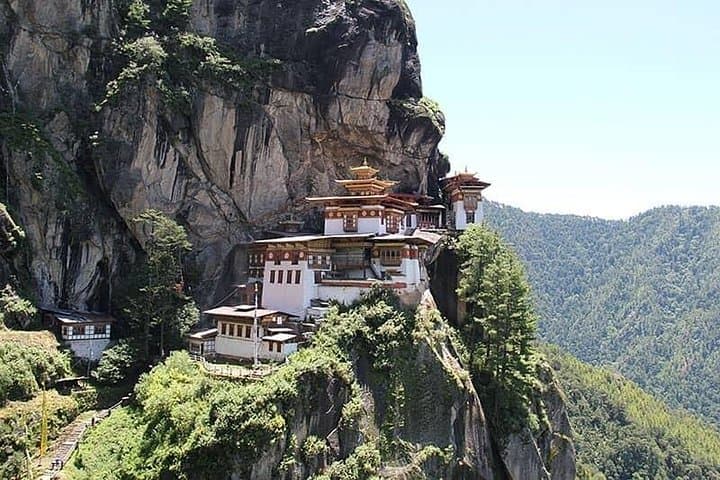
This 14-day itinerary threads Paro, Bumthang, Trongsa, Punakha and Thimphu with five days of village trekking through lower-altitude forests (1,000–1,500m). Geologically the route follows river-cut valleys and glacially scoured basins; Dochula Pass and Phobjikha reveal rounded ridgelines rather than jagged alpine peaks. Culturally, you move through ancient lhakhangs, watchtower museums and living weaving traditions—Yathra wool cloth and Pema Lingpa’s sacred sites punctuate the trail.
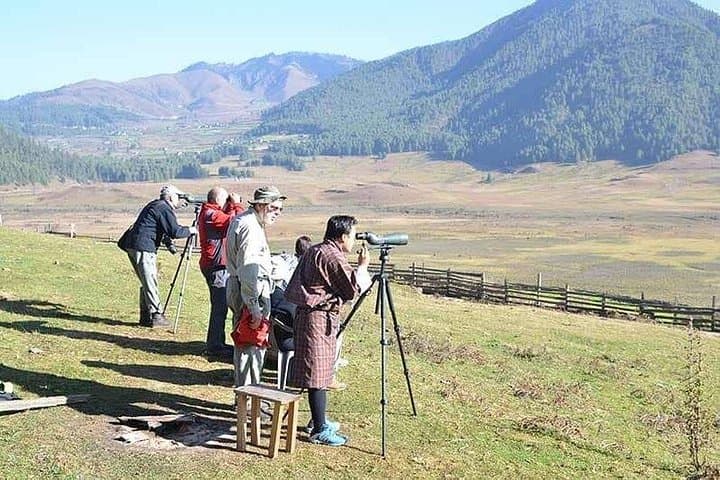
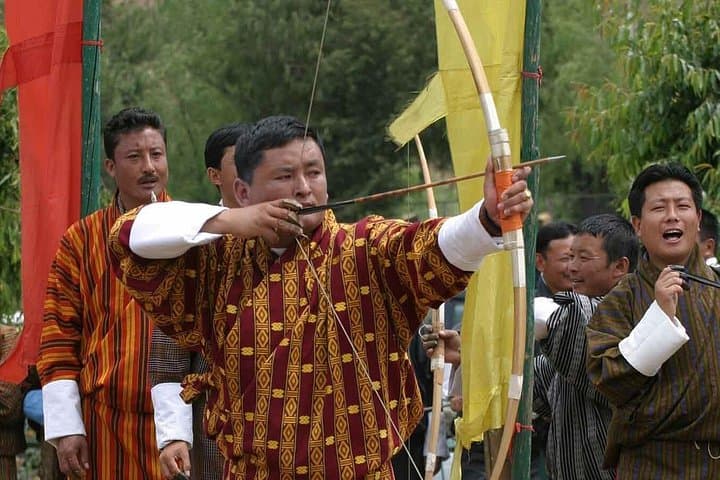
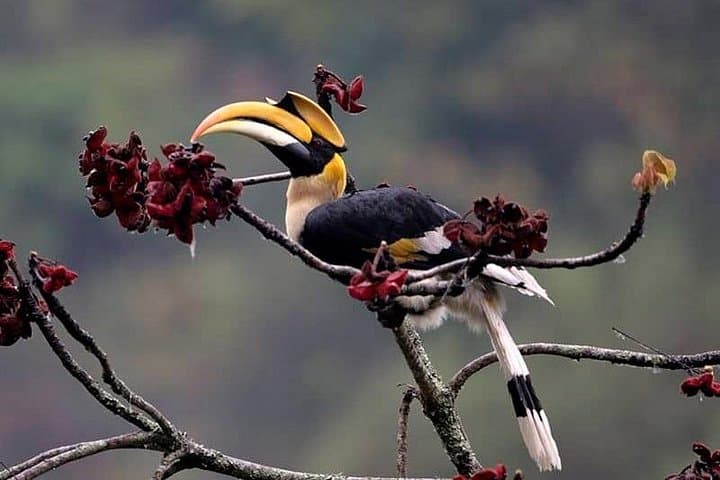
Wildlife is an integral part of the landscape: Golden Langurs and the shy red panda share the canopy with hornbills and snipe-like river birds. Villages on the route often host cultural evenings of song, dance and local games, giving a direct window into rural Bhutanese life.
Practical guide: trekking days range 3–6 hours across 5–14 km per day on mixed dirt tracks and forest steps; elevation gain is gentle but includes short steep climbs. Permits and an e-Visa are handled in advance; licensed guides and camp crews are provided. Pack layered clothing for rapid temperature swings, a rain jacket, sturdy boots and insect repellent. Start hikes early to avoid afternoon heat and to catch wildlife activity. Respect monastery protocols, limit plastic waste, and follow your guide’s instructions in villages and wildlife zones.
moderate.
14 days.
Suitable for hikers with regular walking fitness who can handle 3–6 hours of trekking on consecutive days; basic stamina and balance required.
Yes. The operator processes the e-Visa once they receive clear passport copies; approval usually takes 4–5 business days and the visa is stamped on arrival.
Trek days are described as easy to moderate, typically 5–14 km per day with 3–6 hours of walking; trails are dirt tracks, forest paths and occasional steep sections.
The region hosts these species; sightings are possible but never guaranteed—early starts and quiet hiking increase chances, and guides know the best areas.
A moderate level of fitness is advised; bring any prescription meds, consider altitude-aware pacing, and ensure travel insurance covers remote trekking.
Central Bhutan’s valleys are threaded with Buddhist history—Trongsa Dzong and Tamzhing Lhakhang played pivotal roles in regional governance and spiritual life for centuries.
Bhutan operates a regulated tourism approach with permits and fees to protect ecosystems; follow low-impact practices, avoid single-use plastics and keep campsites clean.
Bhutan Acorn Tours and Travel operates guided outdoor trips and adventures with an emphasis on safety, stewardship, and memorable experiences.
You step off the dusty road into a bowl of green—ridges fold down into rice paddies, a suspension bridge hums underfoot, and the river dares you to keep pace. Morning mist lifts from terraced fields as local women sweep the courtyard; prayer flags snap like small, colorful alarms over the valley.
You step off the dusty road into a bowl of green—ridges fold down into rice paddies, a suspension bridge hums underfoot, and the river dares you to keep pace. Morning mist lifts from terraced fields as local women sweep the courtyard; prayer flags snap like small, colorful alarms over the valley.
This 14-day itinerary threads Paro, Bumthang, Trongsa, Punakha and Thimphu with five days of village trekking through lower-altitude forests (1,000–1,500m). Geologically the route follows river-cut valleys and glacially scoured basins; Dochula Pass and Phobjikha reveal rounded ridgelines rather than jagged alpine peaks. Culturally, you move through ancient lhakhangs, watchtower museums and living weaving traditions—Yathra wool cloth and Pema Lingpa’s sacred sites punctuate the trail.
Wildlife is an integral part of the landscape: Golden Langurs and the shy red panda share the canopy with hornbills and snipe-like river birds. Villages on the route often host cultural evenings of song, dance and local games, giving a direct window into rural Bhutanese life.
Practical guide: trekking days range 3–6 hours across 5–14 km per day on mixed dirt tracks and forest steps; elevation gain is gentle but includes short steep climbs. Permits and an e-Visa are handled in advance; licensed guides and camp crews are provided. Pack layered clothing for rapid temperature swings, a rain jacket, sturdy boots and insect repellent. Start hikes early to avoid afternoon heat and to catch wildlife activity. Respect monastery protocols, limit plastic waste, and follow your guide’s instructions in villages and wildlife zones.