THE ADVENTURE COLLECTIVE® · Independent discovery and booking for outdoor travel

Turn Centennial’s streets into a playful survival course with a one-hour app-guided zombie scavenger hunt. Compete with teams nationwide, solve location-based challenges, and explore local parks and public art while staying safe and strategic.
Turn Centennial’s streets into a playful survival course with a one-hour app-guided zombie scavenger hunt. Compete with teams nationwide, solve location-based challenges, and explore local parks and public art while staying safe and strategic.
You start at a corner where strip-mall glass meets scrubby parkland, phone buzzing with a digital map and a roster of scavenger items that pretend the city has already fallen. Streets push and pull you—wide arterials demand a quick crossing, side streets whisper shortcuts—and the app doles out zombie-themed tasks that turn mundane signage, benches and public art into objectives. Teams sprint, stroll, strategize: the city becomes a playfield and Centennial’s suburban grid suddenly feels like a survival course.
Verified experiences and guided adventures in the surrounding area.
Operated by Zombie Scavengers Hunts · Centennial, Colorado
You start at a corner where strip-mall glass meets scrubby parkland, phone buzzing with a digital map and a roster of scavenger items that pretend the city has already fallen. Streets push and pull you—wide arterials demand a quick crossing, side streets whisper shortcuts—and the app doles out zombie-themed tasks that turn mundane signage, benches and public art into objectives. Teams sprint, stroll, strategize: the city becomes a playfield and Centennial’s suburban grid suddenly feels like a survival course.
Centennial is a young city built on older plains history—open grasslands that once hosted Indigenous hunters give way to post-war neighborhoods and commercial corridors. The geology is simple: rolling clay soils, low relief and pockets of reclaimed wetlands around Cherry Creek and local reservoirs. Cultural touchpoints show up as civic parks, public art, and the regional trail network (Cherry Creek and High Line Canal nearby) that locals use for running and dog walks. That mix of civic planning and outdoor access makes the hunt both urban and surprisingly green.
Practical: the game is self-guided via an app and lasts about an hour; you’ll want a charged smartphone and comfortable shoes. Expect lots of short walks, quick sprints and roadside crossings—obey traffic, respect private property, and follow the remote host chat if you need help. Play during daylight for easiest navigation; early evening adds atmosphere but reduces visibility. Bring a small power bank, watch the weather, and build a simple route strategy with your team to maximize points—this is as much about planning as running.
easy.
1 hour.
Suitable for most fitness levels — light walking with occasional brisk effort
You’ll receive a message before the start with instructions and a link to the app; open the link, grant location permissions, and follow the on-screen prompts to begin.
Yes — the activity is stroller-accessible and suitable for all ages, though adults should supervise tasks that involve street crossings.
No — it’s self-guided with a remote host available via chat for questions or technical help during the game.
For a full refund cancel at least 24 hours before the scheduled start; cancellations inside 24 hours are not refundable.
The city of Centennial incorporated in 2001; the region sits on high plains that were historically traversed by Indigenous peoples and later developed in the 20th century for suburban growth.
Stick to public sidewalks and designated parks, avoid private property, and pack out wrappers—urban scavenger hunts can concentrate foot traffic so minimize your impact.
Zombie Scavengers Hunts operates guided outdoor trips and adventures with an emphasis on safety, stewardship, and memorable experiences.
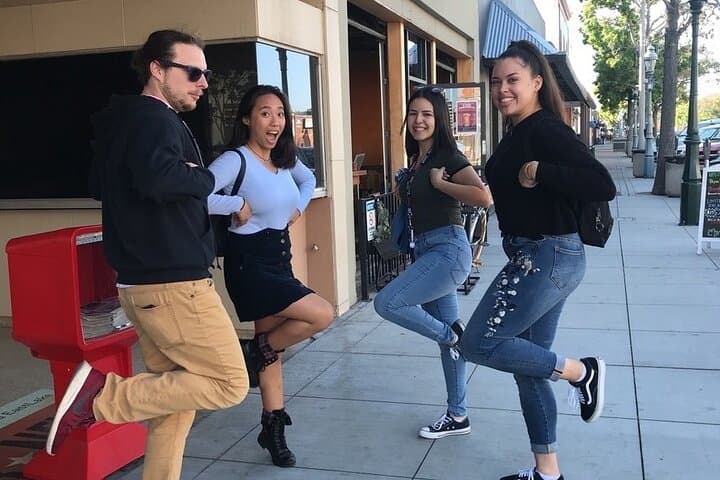
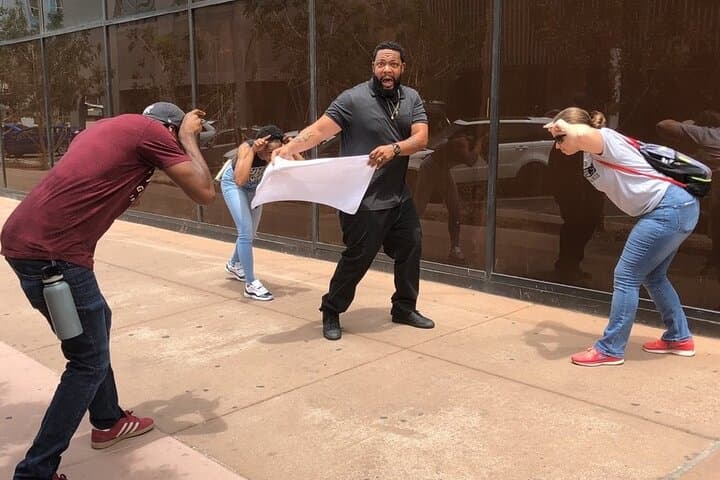


You start at a corner where strip-mall glass meets scrubby parkland, phone buzzing with a digital map and a roster of scavenger items that pretend the city has already fallen. Streets push and pull you—wide arterials demand a quick crossing, side streets whisper shortcuts—and the app doles out zombie-themed tasks that turn mundane signage, benches and public art into objectives. Teams sprint, stroll, strategize: the city becomes a playfield and Centennial’s suburban grid suddenly feels like a survival course.
You start at a corner where strip-mall glass meets scrubby parkland, phone buzzing with a digital map and a roster of scavenger items that pretend the city has already fallen. Streets push and pull you—wide arterials demand a quick crossing, side streets whisper shortcuts—and the app doles out zombie-themed tasks that turn mundane signage, benches and public art into objectives. Teams sprint, stroll, strategize: the city becomes a playfield and Centennial’s suburban grid suddenly feels like a survival course.
Centennial is a young city built on older plains history—open grasslands that once hosted Indigenous hunters give way to post-war neighborhoods and commercial corridors. The geology is simple: rolling clay soils, low relief and pockets of reclaimed wetlands around Cherry Creek and local reservoirs. Cultural touchpoints show up as civic parks, public art, and the regional trail network (Cherry Creek and High Line Canal nearby) that locals use for running and dog walks. That mix of civic planning and outdoor access makes the hunt both urban and surprisingly green.
Practical: the game is self-guided via an app and lasts about an hour; you’ll want a charged smartphone and comfortable shoes. Expect lots of short walks, quick sprints and roadside crossings—obey traffic, respect private property, and follow the remote host chat if you need help. Play during daylight for easiest navigation; early evening adds atmosphere but reduces visibility. Bring a small power bank, watch the weather, and build a simple route strategy with your team to maximize points—this is as much about planning as running.