THE ADVENTURE COLLECTIVE® · Independent discovery and booking for outdoor travel

Explore fresh-water cenotes near Tulum on a guided intro cave-diving tour. Expect classroom briefing, two guided open-cenote dives, excellent visibility, and a hands-on introduction to overhead-environment procedures.
Explore fresh-water cenotes near Tulum on a guided intro cave-diving tour. Expect classroom briefing, two guided open-cenote dives, excellent visibility, and a hands-on introduction to overhead-environment procedures.
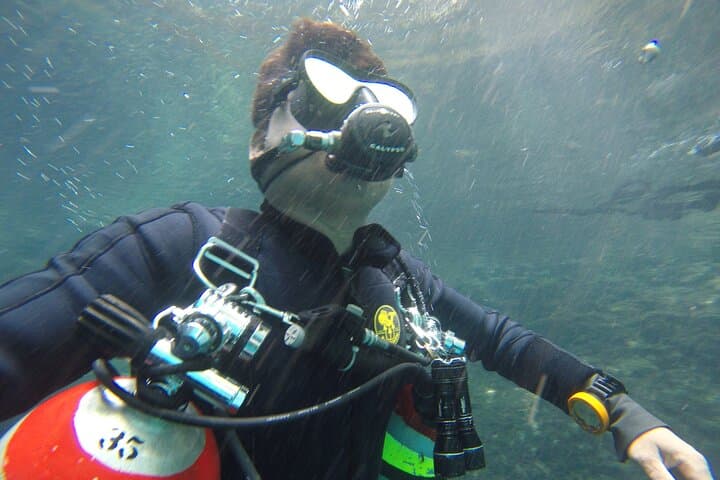
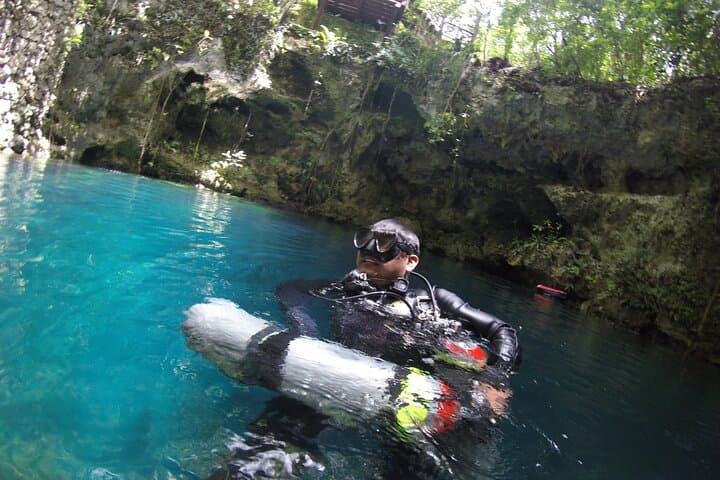
A shaft of pale sunlight pins a dusty column through the jungle canopy as you step onto the limestone rim. Below, the cenote’s water holds a still, green world; the surface reflects clouds while the cavern entrance yawns like a secret doorway. The guide checks your kit, voices low and precise, and the water seems to invite you forward — cool, clear, and utterly unhurried.
Verified experiences and guided adventures in the surrounding area.
Operated by Contoy Excursions · Tulum, Quintana Roo
A shaft of pale sunlight pins a dusty column through the jungle canopy as you step onto the limestone rim. Below, the cenote’s water holds a still, green world; the surface reflects clouds while the cavern entrance yawns like a secret doorway. The guide checks your kit, voices low and precise, and the water seems to invite you forward — cool, clear, and utterly unhurried.
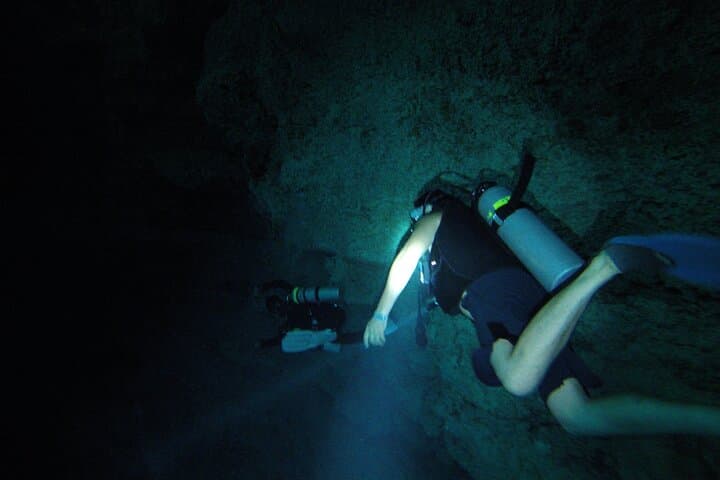
Cenotes are collapsed limestone formed by millions of years of karst erosion and the seasonal rise and fall of groundwater. The Maya treated many cenotes as sources of life and places of ritual; modern divers encounter the same geological axes — long, submerged passages carved by underground rivers and punctuated by light holes. Near Tulum the water is fresh, visibility often excellent, and stalactites and flowstones keep a slow record of the cave’s formation.
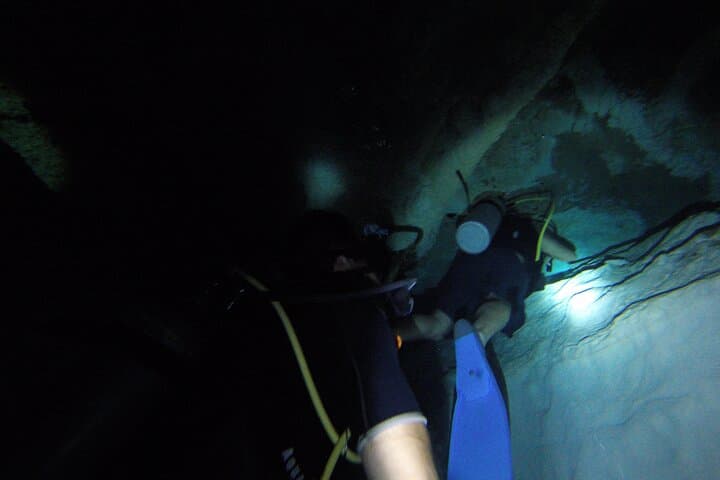
Expect an introductory classroom session, guided entries, and two guided dives through open cenote passages with short cavern sections. Physical demands skew toward stamina: hauling tanks, navigating tight exits, and maintaining buoyancy in silty zones. Practical notes: avoid sunscreen before entry, listen to briefings, and stay close to your guide. Wetsuits or shorties temper the cool water; good masks and comfortable fins reduce jaw and leg fatigue.
This trip is an approachable way to experience cave environments for first-time open-water divers, but it asks respect for fragile formations and the rules of overhead environments. Plan for a 4-hour excursion that pairs well with a morning in Tulum and leaves time to rinse gear and swap notes over a late lunch.
moderate.
4 hours.
Moderate fitness; able to carry tanks, climb wet steps, and perform multiple controlled descents/ascents.
No — the tour includes an introduction to diving for beginners; certified divers should bring their card to expedite the briefing.
Dives are typically short guided profiles in open cenote passages — often 10–20 meters maximum and planned conservatively for air and comfort; your guide sets exact depths and times.
Full cave certification is not required for guided open-cenote dives with line-of-sight cavern sections, but strict adherence to guide instructions is mandatory.
Cenote water is usually very clear with visibility often excellent; temperatures range from cool to refreshingly cool, so a shorty or wetsuit is recommended.
Many cenotes near Tulum were significant to the Maya as water sources and ritual sites; archaeological finds in some cenotes reflect this cultural importance.
Avoid lotions and detergents, rinse gear only in designated areas, and support licensed local guides who follow conservation protocols to protect fragile cave formations.
Contoy Excursions operates guided outdoor trips and adventures with an emphasis on safety, stewardship, and memorable experiences.
A shaft of pale sunlight pins a dusty column through the jungle canopy as you step onto the limestone rim. Below, the cenote’s water holds a still, green world; the surface reflects clouds while the cavern entrance yawns like a secret doorway. The guide checks your kit, voices low and precise, and the water seems to invite you forward — cool, clear, and utterly unhurried.
A shaft of pale sunlight pins a dusty column through the jungle canopy as you step onto the limestone rim. Below, the cenote’s water holds a still, green world; the surface reflects clouds while the cavern entrance yawns like a secret doorway. The guide checks your kit, voices low and precise, and the water seems to invite you forward — cool, clear, and utterly unhurried.
Cenotes are collapsed limestone formed by millions of years of karst erosion and the seasonal rise and fall of groundwater. The Maya treated many cenotes as sources of life and places of ritual; modern divers encounter the same geological axes — long, submerged passages carved by underground rivers and punctuated by light holes. Near Tulum the water is fresh, visibility often excellent, and stalactites and flowstones keep a slow record of the cave’s formation.
Expect an introductory classroom session, guided entries, and two guided dives through open cenote passages with short cavern sections. Physical demands skew toward stamina: hauling tanks, navigating tight exits, and maintaining buoyancy in silty zones. Practical notes: avoid sunscreen before entry, listen to briefings, and stay close to your guide. Wetsuits or shorties temper the cool water; good masks and comfortable fins reduce jaw and leg fatigue.
This trip is an approachable way to experience cave environments for first-time open-water divers, but it asks respect for fragile formations and the rules of overhead environments. Plan for a 4-hour excursion that pairs well with a morning in Tulum and leaves time to rinse gear and swap notes over a late lunch.