THE ADVENTURE COLLECTIVE® · Independent discovery and booking for outdoor travel

Float through ancient cave waters and snorkel where fresh and saltwater meet at Yal‑ku. This guided half‑day trip combines cavern swimming in cenotes with a calm lagoon full of tropical fish — practical, family‑friendly, and rich in natural history.
Float through ancient cave waters and snorkel where fresh and saltwater meet at Yal‑ku. This guided half‑day trip combines cavern swimming in cenotes with a calm lagoon full of tropical fish — practical, family‑friendly, and rich in natural history.
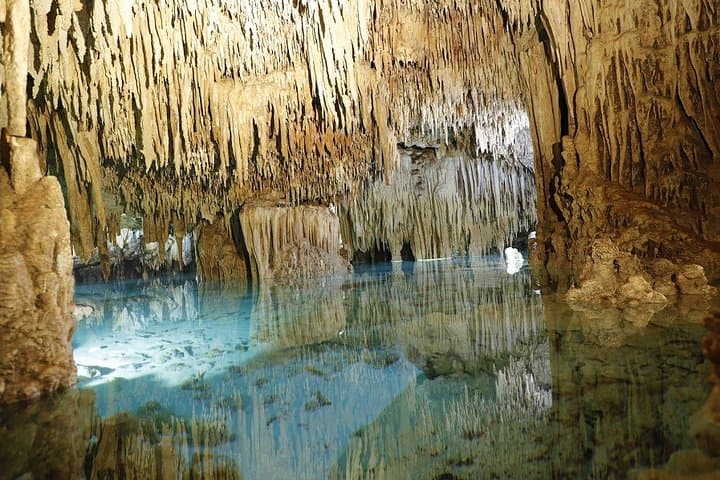
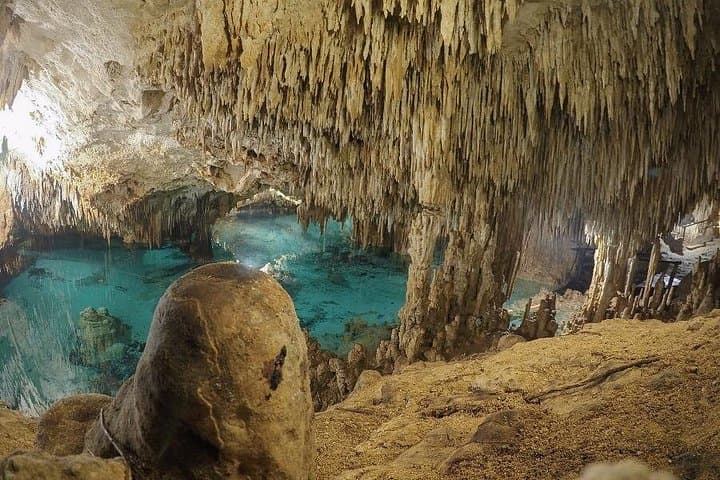
You step from an air‑conditioned van into humid forest; limestone cliffs press close and the scent of wet rock rises. Light fractures through a jungle mouth and the cenote below looks like glass — a cool, braking line against the heat. Later, saltwater and freshwater meet in a shallow inlet where fish weave between submerged ledges.
Verified experiences and guided adventures in the surrounding area.
Operated by Viajes Tours Maya · Akumal, Quintana Roo
You step from an air‑conditioned van into humid forest; limestone cliffs press close and the scent of wet rock rises. Light fractures through a jungle mouth and the cenote below looks like glass — a cool, braking line against the heat. Later, saltwater and freshwater meet in a shallow inlet where fish weave between submerged ledges.
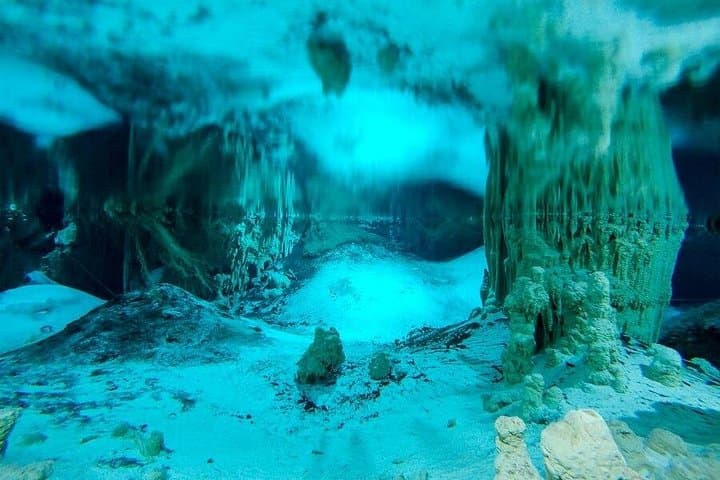
Cenotes are collapsed sections of the Yucatán’s limestone bedrock, windows into an aquifer that sustained the Maya and still feeds coastal lagoons. Geologically the region is karst: rainwater carves caverns that eventually open to the sky. Yal‑ku (often spelled Yalku) is a coastal lagoon where a halocline — the mixing layer of fresh and salt water — creates a calm nursery for tropical fish like blue tangs and triggerfish.
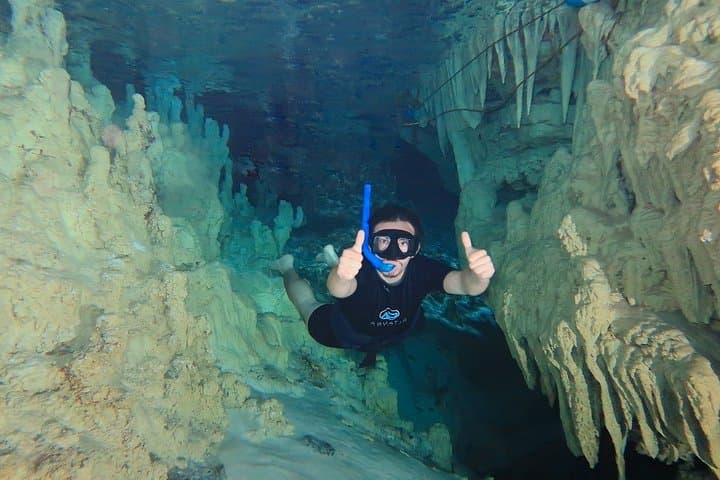
This guided outing combines cave swimming with open‑water snorkeling in a protected inlet. Expect clear water, submerged limestone shelves, and abundant birdlife on the shore. Guides usually supply life jackets, snorkel gear, bottled water and light snacks; groups are small and transport is typically included.
Practical edge: plan for 5–6 hours, wear water shoes and a rashguard, and use reef‑safe sunscreen. Don’t touch rock formations or chase fish — the ecosystems are fragile and popular sites limit access. If you have spinal, heart or pregnancy concerns, this trip is not recommended. Go early to avoid crowds and take time on the lagoon — currents are gentle but visibility can change with sun angle. This is a half‑day that blends geology, Mayan history and hands‑on marine observation.
moderate.
5–6 hours.
Moderate — comfortable swimming ability and mobility to climb in/out of cenotes
Yes — guides typically supply snorkel masks, fins when needed, and life jackets as listed in inclusions.
Depth varies by cenote and cavern; some pools are shallow for wading while other swim areas can be several meters deep — life jackets are provided.
Most departures include air‑conditioned vehicle transport and pickup; confirm your pickup point when booking and allow time for group pickup.
Families with competent swimmers and children comfortable in water do well; non‑swimmers should wear life jackets and stay in guided shallow areas.
Cenotes were a freshwater lifeline for the Maya and often held ritual significance; coastal lagoons like Yal‑ku provided food and transport routes for coastal communities.
These sites are vulnerable to pollution and overuse — choose reef‑safe products, follow guide instructions, and avoid touching formations or wildlife to minimize impact.
Viajes Tours Maya operates guided outdoor trips and adventures with an emphasis on safety, stewardship, and memorable experiences.
You step from an air‑conditioned van into humid forest; limestone cliffs press close and the scent of wet rock rises. Light fractures through a jungle mouth and the cenote below looks like glass — a cool, braking line against the heat. Later, saltwater and freshwater meet in a shallow inlet where fish weave between submerged ledges.
You step from an air‑conditioned van into humid forest; limestone cliffs press close and the scent of wet rock rises. Light fractures through a jungle mouth and the cenote below looks like glass — a cool, braking line against the heat. Later, saltwater and freshwater meet in a shallow inlet where fish weave between submerged ledges.
Cenotes are collapsed sections of the Yucatán’s limestone bedrock, windows into an aquifer that sustained the Maya and still feeds coastal lagoons. Geologically the region is karst: rainwater carves caverns that eventually open to the sky. Yal‑ku (often spelled Yalku) is a coastal lagoon where a halocline — the mixing layer of fresh and salt water — creates a calm nursery for tropical fish like blue tangs and triggerfish.
This guided outing combines cave swimming with open‑water snorkeling in a protected inlet. Expect clear water, submerged limestone shelves, and abundant birdlife on the shore. Guides usually supply life jackets, snorkel gear, bottled water and light snacks; groups are small and transport is typically included.
Practical edge: plan for 5–6 hours, wear water shoes and a rashguard, and use reef‑safe sunscreen. Don’t touch rock formations or chase fish — the ecosystems are fragile and popular sites limit access. If you have spinal, heart or pregnancy concerns, this trip is not recommended. Go early to avoid crowds and take time on the lagoon — currents are gentle but visibility can change with sun angle. This is a half‑day that blends geology, Mayan history and hands‑on marine observation.